
Human health risk posed by global warming.
Role of individual to this issue.

Global warming, primarily driven by the increase in greenhouse gas emissions from human activities, has significant implications for human health. Here are some of the key ways in which global warming poses risks to human health:
Heat-related illnesses and deaths: As temperatures rise, heatwaves become more frequent and intense. Prolonged exposure to high temperatures can lead to heat exhaustion, heatstroke, and other heat-related illnesses, which can be fatal if not properly managed. Vulnerable populations, such as the elderly, children, and individuals with pre-existing health conditions, are at a higher risk.
Vector-borne diseases: Changes in temperature and precipitation patterns can influence the distribution and behavior of disease-carrying vectors like mosquitoes and ticks. This can lead to the expansion of the range of diseases like malaria, dengue fever, Zika virus, and Lyme disease, exposing previously unaffected populations to these illnesses.
Air quality deterioration: Higher temperatures can exacerbate the formation of ground-level ozone and other air pollutants. Poor air quality is linked to respiratory diseases like asthma, bronchitis, and other chronic obstructive pulmonary diseases (COPD). Particulate matter and ozone can also worsen cardiovascular health.
Allergies and respiratory issues: Rising levels of carbon dioxide (CO2) can lead to increased pollen production and longer pollen seasons, exacerbating allergies and respiratory conditions such as asthma and hay fever.
Waterborne diseases: Changes in precipitation patterns can affect water quality and availability, potentially leading to the contamination of water sources and an increased risk of waterborne diseases like cholera and gastrointestinal infections.
Food and water insecurity: Global warming can disrupt agricultural systems, leading to reduced crop yields and food shortages. Changes in precipitation patterns can also impact water availability, leading to water scarcity in some regions, which in turn affects sanitation and hygiene.
Mental health impacts: Extreme weather events, displacement due to rising sea levels or other climate-related factors, and the stress of adapting to changing conditions can all contribute to mental health issues, including anxiety, depression, and post-traumatic stress disorder.
Displacement and conflict: Climate change can contribute to displacement of populations due to sea-level rise, extreme weather events, and other environmental factors. This displacement can lead to resource competition and social tensions, potentially resulting in conflict and further impacting health.
Economic consequences: The health risks associated with global warming can strain healthcare systems and lead to increased healthcare costs. Additionally, disruptions to livelihoods and economies due to climate impacts can have indirect effects on health through decreased access to healthcare services and other resources.
To mitigate these health risks, efforts to reduce greenhouse gas emissions, adapt to changing climate conditions, and strengthen healthcare and public health systems are crucial. International cooperation, policy changes, technological innovations, and individual actions all play a role in addressing the complex challenges posed by global warming to human health.
Role of Individual
The role of Individuals play a significant role in contributing to or mitigating global warming through their daily choices and actions. Here are some ways in which individuals can impact global warming:
Reduce energy consumption: Energy production is a major source of greenhouse gas emissions. Individuals can reduce their carbon footprint by using energy-efficient appliances, turning off lights and electronics when not in use, and considering renewable energy sources like solar panels for their homes.
Transportation choices: The transportation sector is a significant contributor to emissions. Opting for public transportation, carpooling, biking, walking, or using electric vehicles can significantly reduce personal carbon emissions.
Waste management: Landfills and waste incineration release methane and other greenhouse gases. Reducing, reusing, and recycling waste can help minimize these emissions. Composting organic waste instead of sending it to landfills also reduces methane production.
Sustainable consumption: Buying products that are locally produced, have minimal packaging, and are made from sustainable materials can reduce the carbon footprint associated with manufacturing and transportation.
Water conservation: Reducing water consumption reduces the energy required for water heating and distribution, thus lowering emissions associated with energy production.
Plant-based diet: Animal agriculture is a significant source of methane, a potent greenhouse gas. Choosing a diet that includes fewer animal products and more plant-based foods can help lower individual carbon emissions.
Support renewable energy: Where possible, individuals can advocate for and support policies and initiatives that promote the use of renewable energy sources, such as wind, solar, and hydroelectric power.
Efficient home heating and cooling: Proper insulation, smart thermostats, and energy-efficient HVAC systems can help reduce the energy needed to heat and cool homes.
Reduce air travel: Air travel is a major source of carbon emissions. Minimizing air travel or choosing more fuel-efficient transportation options can help reduce personal contributions to global warming.
Educate and raise awareness: Spreading awareness about the impacts of global warming and encouraging others to take action can have a ripple effect in creating a more environmentally conscious society.
Advocate for policy changes: Individuals can support policies at local, national, and international levels that promote renewable energy, energy efficiency, and other measures to address climate change.
It's important to recognize that while individual actions are important, systemic changes and government policies are also crucial in addressing the larger-scale challenges of global warming. Individuals can play a role in driving these changes through collective action, advocacy, and informed consumer choices.
About the Creator
Keep reading
More stories from emily omoruyi and writers in Earth and other communities.
Government policy to global warming reduction.
Government policies are essential for effectively addressing global warming and reducing greenhouse gas emissions on a larger scale. Here are some key policy approaches that governments can adopt to mitigate climate change:
By emily omoruyi2 years ago in Earth
Huge Landslide Leaves Sicilian Homes Teetering on Cliff Edge
A massive landslide in Sicily has left dozens of homes perched dangerously on the edge of a collapsing cliff, forcing evacuations and raising urgent concerns about safety, climate resilience, and long-term urban planning. The dramatic incident unfolded after days of heavy rainfall weakened the soil beneath a coastal residential area, causing large sections of land to slide away into the sea.
By Sajida Sikandar5 days ago in Earth
Tourists Banned From Entering a Famous Snowfall Spot for Four Days: What Happened and Why It Matters
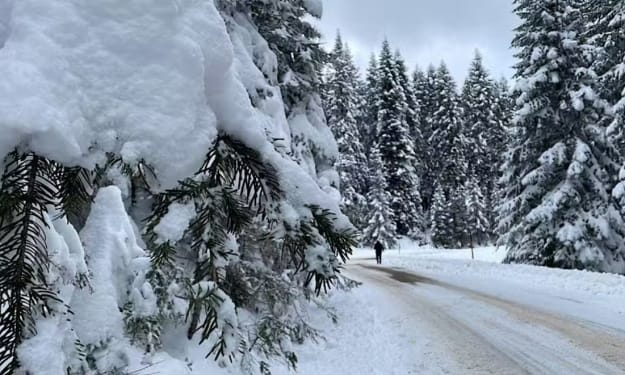
Snowfall destinations attract millions of tourists every year. Fresh snow, white landscapes, and winter activities turn certain locations into seasonal hotspots. But sometimes, nature’s beauty comes with serious risks. Recently, authorities temporarily banned tourists from entering a famous snowfall spot for four days, citing safety, environmental, and logistical concerns. The decision sparked debate among travelers, local businesses, and environmental experts. While many tourists expressed disappointment, officials argued that the ban was necessary to protect lives, infrastructure, and the fragile winter environment. Why Authorities Imposed the Ban The temporary closure was not an impulsive move. Officials announced the restriction after extreme snowfall overwhelmed the area, making roads dangerous and emergency access difficult. Heavy snow accumulation reduced visibility, increased avalanche risks, and caused traffic congestion that emergency services could not manage effectively. In previous years, similar conditions had resulted in stranded vehicles, medical emergencies, and damage to local infrastructure. Authorities learned that allowing unrestricted tourism during extreme snowfall could turn a scenic trip into a disaster. By banning entry for four days, officials aimed to: Clear roads and restore access routes Reduce the risk of accidents and avalanches Allow emergency services to operate efficiently Prevent environmental damage caused by overcrowding Tourist Reactions: Frustration and Understanding Many tourists had planned their trips weeks in advance. Hotels were booked, transportation arranged, and expectations set. For them, the sudden ban felt unfair and inconvenient. Social media quickly filled with complaints, with travelers questioning why better planning hadn’t prevented the closure. However, others supported the decision, acknowledging that safety should always come first. Experienced travelers pointed out that winter tourism carries inherent risks, especially in mountainous or high-altitude regions. As one frequent visitor noted online, “Snow is beautiful, but it doesn’t care about travel plans.” Impact on Local Businesses Local businesses often feel the immediate impact of such bans. Hotels, restaurants, tour operators, and small vendors rely heavily on seasonal tourism. A four-day closure can mean significant financial losses, especially during peak snowfall periods. Some business owners expressed concern about lost revenue, while others supported the ban as a necessary short-term sacrifice. Many acknowledged that accidents or fatalities would cause far greater long-term harm to the region’s reputation. In some cases, local authorities offered partial relief measures, such as rescheduling permits, extending hotel bookings, or waiving certain fees. These steps helped ease tensions between officials and the tourism industry. Environmental Concerns During Peak Snowfall Beyond safety, environmental protection played a major role in the decision. Popular snowfall destinations often experience severe strain during peak tourist seasons. Large crowds can damage snow-covered vegetation, increase waste, and disturb wildlife. When snow accumulates rapidly, ecosystems become even more vulnerable. Trampling through fragile areas, littering, and off-road driving can cause long-lasting damage that takes years to recover. Temporary bans give nature time to stabilize. Snowpack settles, wildlife adjusts, and authorities can manage waste and infrastructure more effectively. In this sense, the restriction serves not only humans but the environment as well. The Growing Challenge of Overtourism This incident highlights a broader global issue: overtourism. As social media makes scenic locations instantly famous, tourist numbers can surge beyond what places are designed to handle. Snowfall spots are especially vulnerable because weather conditions can change rapidly. Without strict controls, overcrowding can lead to: Traffic jams in remote areas Overburdened emergency services Increased pollution Higher accident rates Temporary bans are increasingly being used as a management tool, allowing authorities to balance tourism with safety and sustainability. How Authorities Decide When to Close Tourist Sites Decisions like this are usually based on data, not guesswork. Authorities monitor: Snow depth and weather forecasts Road and infrastructure conditions Emergency response capacity Past incident records When multiple risk factors align, closures become unavoidable. Officials also consult meteorologists, environmental experts, and local administrations before announcing restrictions. Clear communication is essential. In this case, officials used public notices, social media updates, and travel advisories to inform tourists and prevent confusion. What Tourists Can Learn From This For travelers, the incident offers valuable lessons. Winter travel requires flexibility. Weather-related bans are not punishments—they are protective measures. Tourists can reduce disruption by: Checking local advisories before traveling Booking refundable accommodations Avoiding peak congestion periods Respecting local rules and restrictions Understanding the realities of winter destinations can make travel safer and more enjoyable. Will Bans Like This Become More Common? As climate patterns become more unpredictable, temporary closures may become more frequent. Sudden heavy snowfall, extreme cold, or rapid snowmelt can quickly turn tourist-friendly areas into hazardous zones. Authorities worldwide are likely to adopt stricter crowd-control measures, especially in fragile or high-risk environments. While inconvenient, these steps are part of responsible tourism management. Final Thoughts The four-day ban on tourists entering a famous snowfall spot reminds us that nature sets the rules—not travel schedules. While such decisions may disappoint visitors and affect local businesses, they play a crucial role in ensuring safety, protecting ecosystems, and preventing long-term damage. Responsible tourism requires patience, adaptability, and respect for local conditions. Sometimes, the smartest travel decision is waiting until nature is ready to welcome visitors again.
By Muhammad Hassan7 days ago in Earth
Not Just For Clean Up: A History Of The MCU's Department of Damage Control
Initially an organisation that seemed to exist to help the heroes of the Marvel Cinematic Universe, from Phase Four onwards, the Department of Damage Control has shifted into a more antagonistic role. Most recently seen in the Wonder Man series, the current incarnation of Damage Control seems to target superpowered individuals, regardless of whether that person poses an active or intentional threat.
By Kristy Andersona day ago in Geeks



Comments
There are no comments for this story
Be the first to respond and start the conversation.