
How to Generate Carbon Sink Revenue Through Carbonization Projects
The Integration of Carbonization Technology with Carbon Markets
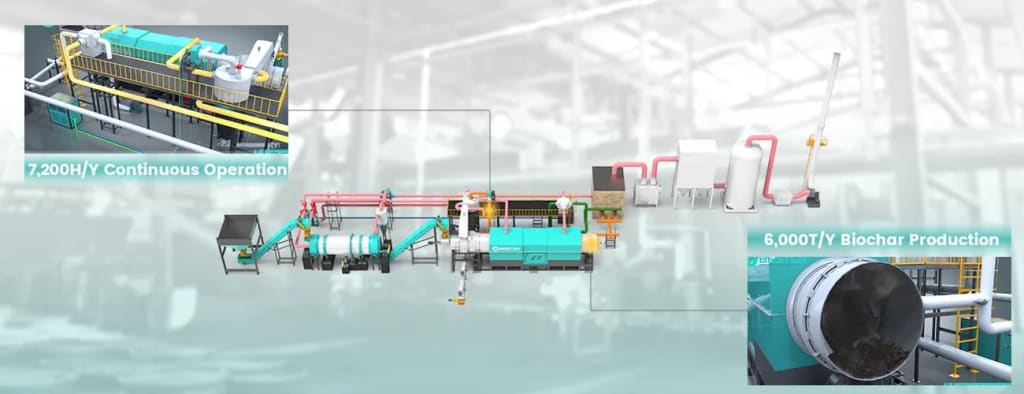
With the rapid development of global carbon trading systems, industries and environmental projects are increasingly exploring ways to reduce emissions while generating economic returns. Carbonization technology, particularly through biochar production, has emerged as a promising pathway to create measurable carbon sinks. By converting biomass into stable carbon materials, carbonization projects can participate in carbon markets and generate additional revenue streams. The use of advanced biochar pyrolysis equipment plays a crucial role in ensuring efficiency, traceability, and compliance with carbon credit standards.
Understanding Carbon Markets and Carbon Sink Value
Carbon markets allow organizations to buy and sell carbon credits to offset greenhouse gas emissions. Carbon credits are generated when projects successfully reduce, avoid, or remove carbon dioxide (CO₂) from the atmosphere. Carbon sinks, such as forests, soil carbon storage, and biochar, are particularly valuable because they physically store carbon for extended periods.
Carbonization projects produce biochar, which is a stable, carbon-rich material that can lock carbon into soil or other applications for hundreds or even thousands of years. This long-term carbon storage makes biochar an increasingly recognized carbon sink in voluntary and regulated carbon markets.
How Carbonization Technology Creates Carbon Sink Opportunities
Carbonization converts biomass residues—such as agricultural waste, forestry byproducts, and organic industrial waste—into biochar through pyrolysis. During this process, carbon that would normally be released into the atmosphere through decomposition or burning is stabilized in solid form.
Using advanced biochar pyrolysis equipment, project developers can control temperature, residence time, and oxygen levels to maximize carbon retention in biochar. The higher the carbon stability and storage duration, the greater the potential carbon credit value.
Key carbon sink benefits include:
- Permanent Carbon Storage: Biochar stores carbon in a stable structure that resists decomposition.
- Reduction of Methane and CO₂ Emissions: Carbonization prevents biomass from decomposing naturally, which would otherwise release greenhouse gases.
- Soil Carbon Enhancement: When applied to soil, biochar improves soil carbon content while supporting sustainable agriculture.
Steps to Generate Carbon Credits Through Carbonization Projects
1. Selecting Sustainable Biomass Feedstock
The first step in generating carbon sink revenue is ensuring the biomass feedstock meets sustainability standards. Biomass should be sourced from waste materials or renewable resources rather than from deforestation or environmentally harmful practices. Sustainable sourcing is essential for carbon credit certification and market acceptance.
2. Implementing Standardized Carbonization Processes
Consistency and traceability are critical in carbon markets. High-quality biochar pyrolysis equipment allows operators to monitor process parameters, ensuring reliable production and accurate carbon accounting. Automated monitoring systems can track temperature, gas emissions, and carbon retention rates, providing data required for verification.
3. Measuring, Reporting, and Verification (MRV)
Carbon market participation requires strict MRV procedures. Project developers must:
- Measure the amount of carbon captured and stored in biochar.
- Document production processes and feedstock sources.
- Submit data to independent third-party verification bodies.
- Accurate MRV ensures that the carbon credits generated are credible and eligible for trading.
4. Certification and Registration
After verification, carbonization projects must register with recognized carbon standards, such as voluntary carbon credit programs. These standards evaluate project sustainability, permanence of carbon storage, and environmental impact. Once certified, the project can issue carbon credits based on the amount of carbon sequestered.
5. Selling Carbon Credits in Carbon Markets
Certified carbon credits can be sold to companies seeking to offset their emissions. Demand for nature-based and technology-based carbon removal solutions is increasing globally, making biochar carbon credits highly attractive due to their durability and co-benefits.
Additional Economic Benefits Beyond Carbon Credits
Carbonization projects can generate revenue from multiple sources:
- Biochar Sales: Biochar can be marketed as a soil enhancer, environmental remediation material, or industrial carbon product.
- Energy Byproducts: Pyrolysis generates syngas and bio-oil, which can be used as renewable energy sources.
- Waste Management Solutions: Carbonization offers a sustainable method for managing agricultural and organic waste.
The integration of these revenue streams improves overall project profitability and investment attractiveness.
Advantages of Using Modern Biochar Pyrolysis Equipment
Advanced carbonization systems significantly enhance project viability in carbon markets. Modern biochar pyrolysis equipment offers:
- Higher Carbon Conversion Efficiency: Maximizes carbon retention and credit generation.
- Automated Data Collection: Supports MRV requirements and regulatory compliance.
- Energy Recovery Systems: Reduces operational costs through heat recycling.
- Emission Control Technology: Ensures environmental compliance and sustainable operation.
These features help project developers meet strict carbon certification standards while improving production efficiency.
Conclusion
The integration of carbonization technology with carbon markets provides a practical pathway to achieve both environmental and economic benefits. By utilizing advanced biochar pyrolysis equipment, carbonization projects can generate stable carbon sinks, produce valuable byproducts, and create sustainable revenue through carbon credit trading.
As carbon markets continue to evolve, carbonization technology is expected to play an increasingly important role in global carbon reduction efforts, offering industries and investors a powerful tool to support the transition toward a low-carbon and circular economy.



Comments
There are no comments for this story
Be the first to respond and start the conversation.