
How to Fix a Dying Bonsai Tree
Essential Tips and Tricks

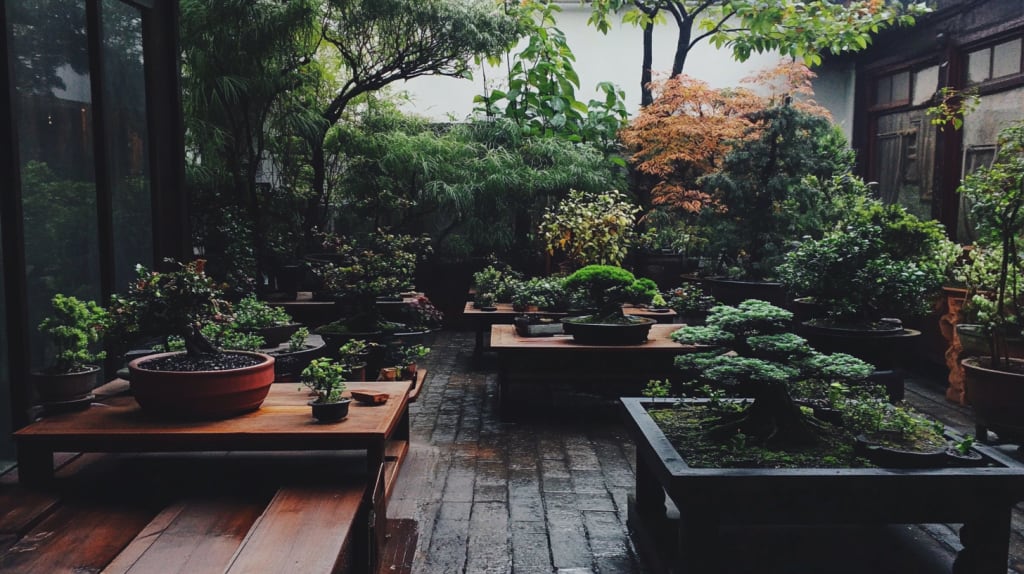
Caring for bonsai trees is an art form steeped in patience and precision. Yet, despite our best efforts, these miniature marvels can sometimes appear on the brink of fading away. It’s a common woe among bonsai enthusiasts when a once-vibrant tree starts to show signs of distress.
The good news is, we’ve got your back. Our journey together will explore why your beloved bonsai might be looking under the weather and, more importantly, how to breathe new life into it. By understanding common issues and their solutions, we can help restore your bonsai's health and vitality. From Ficus trees to the wide variety of bonsai species available, we’ll shed light on how to spot ailing trees and tackle their healing journey.
This guide is your toolkit for diagnosing problems and reviving your bonsai. We’ll dive into practical steps supported by insights from bonsai experts so you’re well-equipped to transform your tree back into the picture of health. Let's get started on this green-thumb adventure.
Key Takeaways
• Identify symptoms of a sick bonsai tree.
• Understand common reasons bonsai trees might die.
• Follow practical steps to revive a bonsai tree.
How To Know If A Bonsai Tree Is Sick

Observing changes in our bonsai trees can help us catch early signs of poor health. From yellowing leaves to root rot, various symptoms signal that our tree needs attention.
Yellow Leaves
Yellow leaves often alert us to problems among our bonsai. They can be due to overwatering, which drowns roots and hinders nutrient uptake. Nutrient deficiency is another culprit.
We've seen cases where adjusting watering schedules resolved yellowness in Ficus bonsai. Careful monitoring and modifying our watering habits or fertiliser use can bring leaves back to their vibrant green, making a huge difference in the tree's recovery.
Brown Leaves
Brown leaves often signal more severe issues. If leaves turn brown, especially at the edges, we might be dealing with underwatering or heat stress. These factors can desiccate the plant, leading to grim foliage.
One practical method to check is using a soil moisture meter. If the soil feels dry well below the surface, watering adjustments are essential. Monitoring environmental conditions can prevent or reverse leaf browning. Consistent attention to soil moistness keeps our bonsai healthy.
Wilting Or Drooping Leaves
Wilting or drooping leaves suggest either too much or too little water is being provided. Inadequate or excess hydration might cause leaf curl or brittleness. Wilting leaves give us clues to correct these discrepancies.
Testing leaf texture and checking whether leaves droop delicately or stiffly can spell out the problem. Observant watering practices and regular inspections help us avoid such distress in bonsai leaves. Working together, these factors enhance tree vitality.
No Leaves
If a bonsai loses all its leaves, we face a profound concern. Key suspects include root rot or sudden environmental changes. Signs of root deterioration suggest urgent repotting needs, often in a drainage-friendly soil mix, to avert disaster.
A poignant case involved a repotting intervention saving a leafless bonsai. This highlights the critical role of assessing root health and soil. We shouldn't panic but instead apply corrective measures.
Root Rot
Root rot often results from overwatering and inadequate drainage, leading to decayed roots. This condition produces unmistakable signs: a foul odour or mushy, dark roots signal an urgent issue to tackle. Addressing this involves improving water management and checking for drainage flaws.
Strong, healthy roots are crucial for bonsai vitality. Regular checks and adjustments allow us to prevent root rot before it destructively affects our beloved trees. Keeping our eyes peeled and hands at work ensures ongoing health and happiness for our bonsai.
Why Is It Dying?
Bonsai trees, while beautiful and captivating, require careful attention and care. Let’s take a look at some key reasons why they might start wilting.
Neglecting Watering
We all know that one common mistake: forgetting to keep up with a watering schedule. When bonsai trees are left without water, they experience stress similar to a parched throat. Just like us, they need regular sips to thrive.
Bonsai trees, both indoor and outdoor, depend heavily on consistent watering. Inconsistent schedules, often based on guesswork, can lead to unhealthy stress and eventual death. Using a moisture meter or a daily routine can help us maintain consistency. If you notice withered branches or dry soil, it’s a hint that your tree needs a drink. Let’s keep our bonsai hydrated and happy.
Overwatering
Have you ever thought too much of a good thing isn't better? Well, bonsais certainly think so when it comes to watering. Overwatering suffocates the roots, making them prone to root rot and other nasty issues. It’s like keeping your feet in a soggy shoe all day—ick!
To avoid this pitfall, we need to determine the right watering schedule according to the bonsai species and the climate it lives in. Paying attention to drainage and ensuring the soil isn’t always soggy is vital. The goal is to achieve a balance between being a caring plant parent and not overdoing it. Let’s give our bonsai space to breathe.
Wrong Location
Believe it or not, location matters! Just like us, bonsai trees flourish when in the right environment. Placing them in a wrong spot—too much sun, too little light—sets them up for failure.
Adjust sunlight exposure to prevent leaf burn from excess sun or wilting from insufficient sunlight. Monitoring temperature and humidity levels for indoor bonsai can make a world of difference. Remember, each species might have specific needs; what works for one might not work for another. Flexibility and observation are our friends here. Location tweaks can bring a dying bonsai back to life.
Insufficient Sunlight
We’ve all heard plants need sunlight, but why is it so crucial for bonsai? Lack of light impacts photosynthesis, resulting in poor growth and health.
To keep our bonsai in top condition, we should understand their light requirements. Indoor bonsai often crave bright indirect light, while outdoor varieties may need full sun to partial shade, depending on species. By adjusting their light exposure, we can support healthy growth and vibrant foliage. Let’s remember, the right lighting sets the stage for bonsai brilliance.
Rushing
When we get too hasty with pruning, wiring, or repotting, we might inadvertently shock our bonsai trees. It’s like giving them an unexpected haircut or moving them to a new home overnight—not cool!
Impatience in the bonsai process can lead to unnecessary stress for the tree. Each of these actions should be carried out at the right time and with the utmost care. Applying practices prematurely can overwhelm the plant, causing more harm than good. By nurturing our bonsai step by step, we ensure strong growth and a resilient life. Patience, indeed, is a virtue when it comes to these living masterpieces.
How To Fix A Dying Bonsai Tree
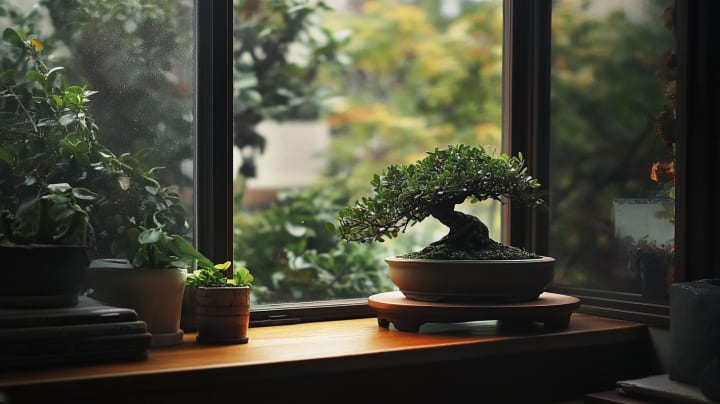
Reviving a dying bonsai tree requires targeted care focusing on pruning, sunlight, and watering. By addressing these areas, we provide the tree with the essential conditions it needs for recovery.
Remove Dead Leaves and Branches
Pruning dead or diseased parts is crucial. It might sound a little dramatic, but it's like giving your bonsai a fresh start. Carefully trim away dead leaves and branches using sharp, clean tools to avoid any risk of infection.
Here's a step-by-step guide to pruning: first, identify any lifeless, wilted, or diseased branches. Gently cut them back to where healthy growth appears, ensuring we leave enough space for new shoots. Regular pruning allows the tree to redirect its energy, encouraging new growth and vitality.
Provide Sufficient Sunlight
Sunlight is to bonsais what coffee is to us in the morning – essential! Place the bonsai in a spot with plenty of indirect sunlight. Think of it as finding that perfect window seat where the light is just right. Let's make sure the tree receives around five hours of gentle light each day.
We once had a case where a bonsai's health bounced back after being repositioned to a better-lit area. The increased light exposure sparked noticeable improvement in its overall health and growth.
Amend Watering Schedule
The right watering schedule can breathe life back into our ailing bonsai. Sounds simple, but how and when we water makes all the difference. Ensure the soil is moist but not waterlogged to avoid root rot, a common pitfall.
Consider techniques like bottom watering, where we place the pot in a shallow tray of water, letting it absorb moisture from the base. For species that crave higher humidity, misting the leaves provides the extra boost they need. Remember, the goal is a healthy balance, not a soggy swamp!
By following these steps, our bonsai has the best chance to recover and thrive again.
Conclusion
So, we've talked about resuscitating your beloved bonsai. Who knew such a small tree could cause so much excitement, eh?
First, we need to diagnose the issues. Checking soil moisture is key. Our fingers are handy tools for this—literally! If it’s dry up to the second knuckle, it's time to water. If it’s damp, take a rain check.
Sunlight is your bonsai's best friend. Placing it in the right spot can make all the difference. Let’s give it about five hours of light. But, let's avoid the harsh, direct sunlight.
Then, we’ll talk pruning. We aim to remove dead branches, but not so much that we give our tree a complex. A little snip here and there encourages new growth.
It's also crucial to care for the soil and roots. Quality soil and fertilisation keep our bonsai happy. Got roots? Let’s keep them moist during repotting. Submerge them, but don’t drown them!
Lastly, patience is key. Our bonsai recovery might take a while but it is well worth the wait.
For more information about Bonsai Trees visit our site miyagibonsai.co.uk.
About the Creator
Miyagi Bonsai
Miyagi Bonsai in North London. Since 2020, I’ve shared my 20+ years of bonsai expertise. Discover our range of indoor & outdoor bonsai, ceramic pots, bonsai food, and pruning accessories. Let's bring nature into your urban life!
Keep reading
More stories from writers in Earth and other communities.
Hamptons Real Estate Prices Hit Record High as 2026 Summer Rentals in High Demand
The Hamptons, long synonymous with luxury, exclusivity, and summer getaways, has seen its real estate market soar to new heights in recent years. As we approach the summer of 2026, the area’s real estate prices are breaking records, and demand for vacation rentals has never been greater. While this trend is partly attributed to broader economic factors and changing work habits, it also signals an evolving landscape in the Hamptons real estate market that is shaping up to be one of the most competitive seasons in recent history.
By Ayesha Lashari5 days ago in Earth
When True Love Never Questions Your Soul
“And she’s going to learn that this life will hit you, hard, in the face, wait for you to get back up, just so it can kick you in the stomach but getting the wind knocked out of you is the only way to remind your lungs how much they like the taste of air.” — Sarah Kay’s Poem — If I Should Have a Daughter
By Chantal Christie Weiss6 days ago in Humans
The Pride Flag and the Diversion
For nearly a decade, the LGBTQIA Pride Flag rippled in the wind at Christopher Park, a kaleidoscope of color staked into the soil of America’s first national monument to LGBTQIA+ liberation. That flag came down this week. Federal officials, citing new guidance from the Trump Administration, silently lowered the rainbow flag from its pole across the street from the Stonewall Inn. The birthplace of the modern gay rights movement now flies only the United States flag.
By Tim Carmichael3 days ago in Pride




Comments
There are no comments for this story
Be the first to respond and start the conversation.