
How Repair Cafés Are Empowering People to Embrace Sustainable Living
How Repair Cafés are changing perspectives on broken items


Discover how Repair Cafés transform communities by providing practical, hands-on solutions to reduce landfill waste and support sustainable living. These innovative hubs don’t just fix broken items — they empower people, inspire creativity, and unite communities around a shared mission for a greener future and helping their neighbors.
Repair cafés can be found on a regular schedule in some cities and communities around the world. Volunteers who have a knack for repairing various items meet at the meeting site. The community can bring their possessions that need repair to this meeting and have them repaired for free.
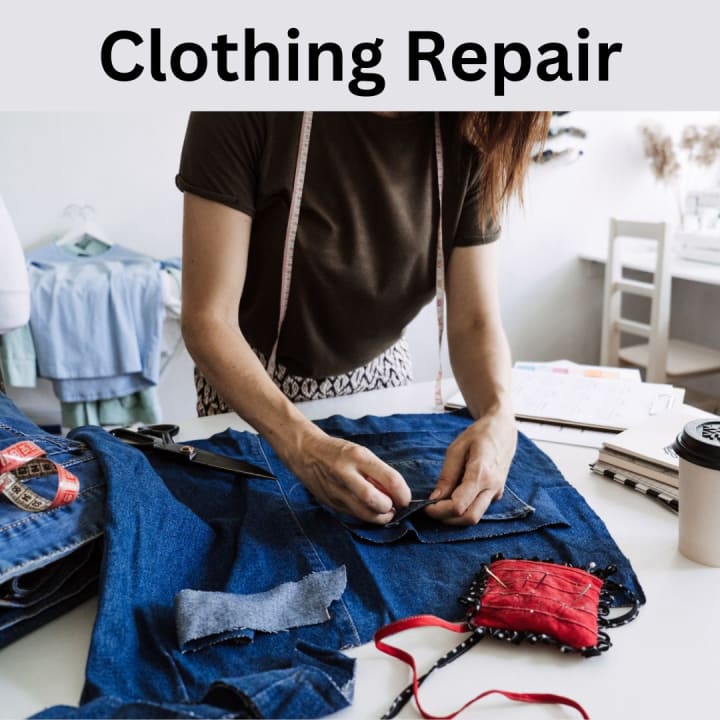
The items that can be repaired at many of these cafés include household goods, electronics, jewelry, clothing, shoes, bikes, basically anything that could be carried. Having objects repaired means not having them end up in landfills, thus reducing waste.
The first repair cafe was founded in 2009 in Amsterdam. There are now more than 11,000 of these in 29 countries.
These repair cafés help consumers by not needing to purchase replacement products, or incurring repair bills. Too often, they are thrown away.

How Repair Cafés improve lives and strengthen communities
Neighbors assisting neighbors is not a novel idea and a good way to foster stronger bonds among communities.
Giving one's expertise to someone else is a fulfilling experience. While another neighbor benefits from that assistance in a concrete sense, repair cafés offer a space for this to happen.
While people get together at these events, oftentimes they learn new skills of how to fix things. Many of these skills are being lost and not transferred to others. These meetings help offset that trend.
These cafés give the community's lonely people a place to be included and make new friends. All ages can participate as fixers or seek assistance in having their belongings fixed. It creates an organic setting for friendships and idea-sharing between generations.
Elderly people may experience a loss of purpose. They often have a great deal of expertise and information to impart to others. Due to their geographical dispersion, many people are estranged from their families. These coffee shops can give them a location to make meaningful contributions to their communities.
These gatherings might be tailored by communities to include one or two instructors to teach a particular lesson or skill. Depending on the skills of the people in the community, this may be preparing a particular meal, using a gardening method, creating a craft, or creating art.
The meeting room may provide a space for people to trade things they no longer need. Maybe a barter bulletin board could be set up for the day so people could trade their skills with others.
These repair cafés provide innovative solutions for enhancing communities and sustainable living habits, regardless of how they appear in each neighborhood.
If there isn't one in your community, think about sharing this information with a local leader and asking them about establishing one.
It all began with a single individual.
By Val Garner - all rights reserved.
___________________________________________________
Book Recommendation: New fix-it-yourself manual
_______________________________________________
This article contains affiliate links and I may receive a small commission after you click one of the links, at no extra charge to you.
About the Creator
Val Garner
Writer and coffee addict in the Pacific Northwest. Follow me over on Newsbreak. You can sign up there as well to earn income with your writing, good to diversify and expand your earnings.
Keep reading
More stories from Val Garner and writers in Earth and other communities.
Judge Trump: Courtroom Battles and Public Questions Surrounding Donald Trump
Judge Trump: Courtroom Battles and Public Questions Surrounding Donald Trump Donald Trump’s name has been repeatedly linked with judges, courts, and major legal decisions over the past several years. As a former president and a high-profile political figure, Trump has faced intense legal scrutiny, making judges central figures in news coverage and public debate. The phrase “Judge Trump” has come to reflect public curiosity about the judges who oversee Trump-related cases, their rulings, and how these legal battles may affect his political future. Understanding this topic requires looking at the legal landscape, the role of the judiciary, and the most common questions people ask. Judge Trump: Courtroom Battles and Public Questions Surrounding Donald Trump
By America today a day ago in Earth
Primary Teachers Strike Over ‘Knives and Assaults’: Safety Crisis Sparks Nationwide Action
Primary school teachers across the country have taken a stand, walking out of classrooms in a strike that highlights an alarming issue: violence in schools. Reports of knives, assaults, and threats against staff have reached a tipping point, prompting educators to demand immediate action from authorities. The strike, now capturing national attention, is more than a labor dispute—it’s a wake-up call about safety, mental health, and the well-being of the country’s youngest learners. The Crisis Behind the Strike Educators have long faced challenges beyond teaching, but recent incidents have made clear that violence in schools is escalating. Primary teachers have reported assaults by students, including cases involving knives, physical attacks, and threatening behavior. These events, once considered rare, are becoming increasingly common, creating fear and uncertainty in classrooms. According to union representatives, teachers have reached their breaking point. “We can no longer continue teaching under constant threat,” one spokesperson said. “Our students deserve safe schools, and we deserve protection and respect.” The strike is a direct response to the government’s perceived failure to act decisively on school safety, leaving teachers feeling unsupported and exposed to dangerous situations. The Scope of the Problem National education authorities admit that incidents of violence in primary schools have been rising. While precise numbers vary, studies suggest that a significant percentage of teachers experience physical or verbal abuse during their careers. Knives and weapons: Incidents of students bringing knives to school, while still a minority, have grown enough to raise alarm among staff and parents. Physical assaults: Teachers report being pushed, hit, or grabbed by students. Verbal threats: Daily exposure to threats and aggressive language is taking a mental toll on educators. For primary school teachers, the stakes are particularly high. They work with children aged 5–11—an age group that requires constant supervision. The presence of weapons or aggressive behavior adds layers of risk that teachers feel ill-equipped to manage. Teachers Speak Out Teachers participating in the strike have shared harrowing stories. Some describe students brandishing knives during disputes, while others report being physically attacked while trying to de-escalate conflicts. Many express frustration that administrators and local authorities fail to respond adequately to these incidents. One teacher, who requested anonymity, said: “We love our students, but we also need to feel safe. Carrying the weight of constant threats is exhausting. It’s not just about us—it’s about protecting children too.” Teachers’ unions argue that strikes are a last resort. They have attempted dialogue with education departments and policymakers for months, seeking measures such as improved security, mental health support, and stricter enforcement against violent behavior in schools. When those discussions failed to yield meaningful results, the strike became the only avenue left to demand urgent change. Parents and Community Reactions The strike has prompted mixed reactions from parents and the wider community. Many parents support teachers, acknowledging the dangerous situations they face and applauding the courage to demand safer schools. They argue that students learn best in secure environments, and that striking teachers are drawing attention to a problem that affects everyone. Others express frustration, especially parents who rely on schools for childcare during work hours. They worry about disruption to students’ education and the practical challenges of organizing alternative care. Despite these concerns, there is broad recognition that the underlying safety issue cannot be ignored. Community discussions have increasingly focused on finding solutions that protect both teachers and students while minimizing disruption. Government and Administrative Response Government officials have promised action, but details remain sparse. Proposed measures include: Increased presence of school safety officers Implementation of anti-violence policies and stricter consequences for students who threaten or harm staff Expanded mental health and counseling support for students at risk of aggressive behavior Training for teachers in conflict de-escalation and crisis management Critics argue that these proposals are reactive rather than proactive, emphasizing the need for long-term solutions that address the root causes of school violence, such as social inequality, family instability, and inadequate support for students with behavioral challenges. The Broader Context School violence is not limited to one city or district; it reflects wider societal challenges. Rising tensions in communities, limited mental health resources, and pressures on families all contribute to the environment in which children act out aggressively. Experts say that addressing violence in primary schools requires holistic solutions: Support for educators: Safe working conditions, clear reporting procedures, and access to protective measures. Student support: Mental health counseling, behavior intervention programs, and social skills education. Community engagement: Parents, local authorities, and social services working together to address root causes. Striking teachers are drawing attention to these issues in ways that cannot be ignored, emphasizing that safety in schools is a societal responsibility. What the Strike Means for Education The strike is a clear warning that teachers cannot be expected to manage escalating violence without adequate support. If governments fail to act decisively, there is a risk of: Teacher burnout and attrition, leaving schools understaffed Declining educational quality, as safety concerns overshadow learning Erosion of trust, between teachers, parents, and policymakers The strike is also sparking conversations about the value society places on educators. Teachers are advocating not only for physical safety but also for respect, resources, and recognition of the challenges they face every day. Looking Ahead Negotiations between unions and government officials continue, but many teachers are clear: they will not return to classrooms until concrete safety measures are implemented. The strike may be temporary, but the issues it highlights are long-term, requiring sustained attention and investment. As the nation watches, the primary teachers’ strike serves as a powerful reminder that safe schools are fundamental to both education and society. Protecting teachers means protecting children, communities, and the future of learning itself.
By Muhammad Hassan5 days ago in Earth




Comments
There are no comments for this story
Be the first to respond and start the conversation.