
How I Keep My Snake Plant Thriving: Simple Care Tips for Sansevieria
Easy Apartment Plant Care: Snake Plant & Sansevieria Tips
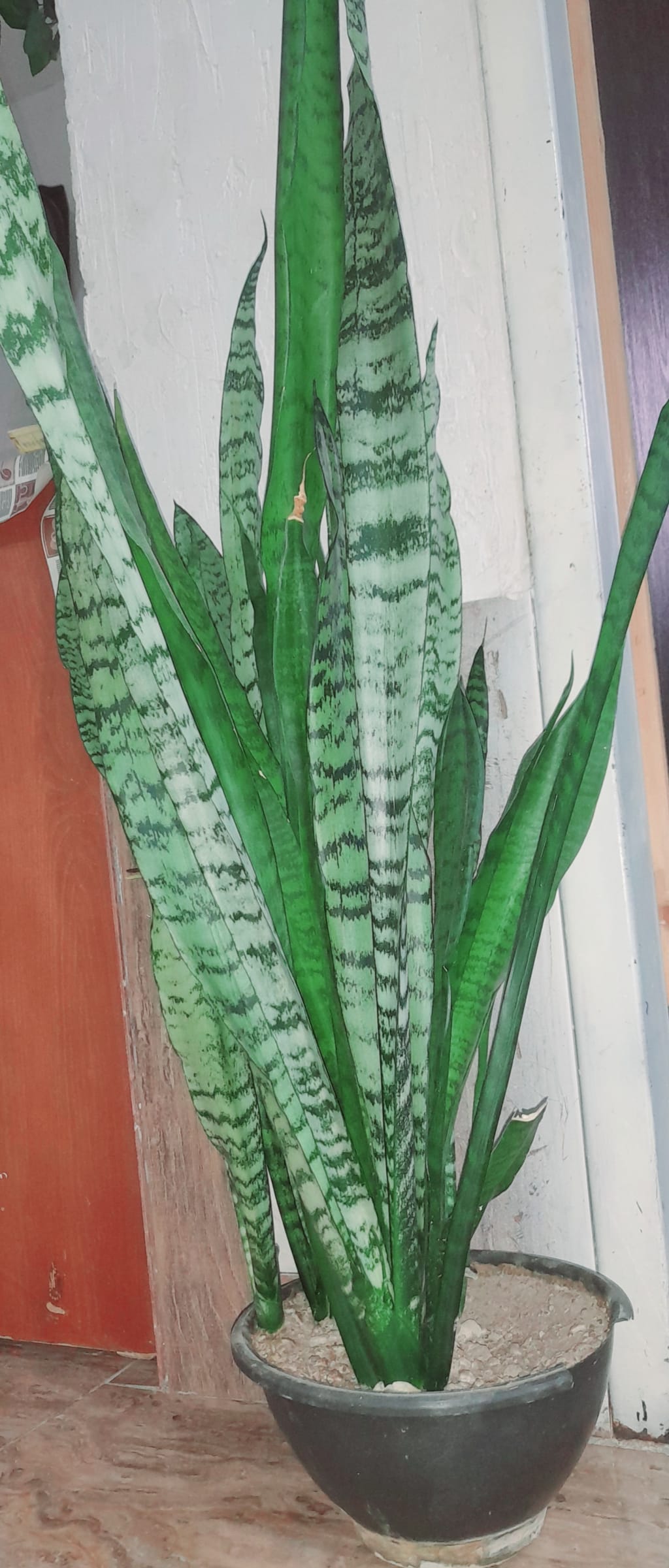
My Experience Caring for a Snake Plant at Home
I’ve always loved indoor plants, but I didn’t have much time or knowledge about how to take care of them. A few years ago, a friend gave me a small snake plant — also known as Sansevieria or “mother-in-law’s tongue.” At first I was worried I might kill it, but over time I discovered how easy and rewarding this plant can be. In this article, I’ll share my personal tips for keeping a snake plant healthy and happy in an apartment or house.
Why the Snake Plant Works So Well Indoors
The snake plant is a tough and forgiving houseplant. Its long, upright leaves look like green swords with beautiful patterns. It tolerates neglect, low light, and even irregular watering. I like it because it also helps clean the air in my living room, making the space feel fresher. If you’re a beginner or a busy person, this plant is a perfect choice.
Light: What I Learned
When I first brought my plant home, I didn’t know where to place it. Over time, I found that my snake plant grew best near a bright window with filtered sunlight. It still survives in darker corners, but growth slows down. If you have a sunny apartment, just avoid harsh midday sun right on the leaves — that can cause burns.
Water: Less Is More
The biggest mistake people make with Sansevieria is overwatering. I did this once and the roots began to rot. Now I only water my plant when the top inch of soil is dry. In summer, that’s usually every two weeks. In winter, once a month is enough. After watering, I empty any water that collects in the saucer so the roots stay healthy.
Soil and Pots That Work Best
From my experience, regular houseplant soil is too heavy. A cactus or succulent mix drains better and keeps the roots from sitting in water. I also like to use a terracotta pot with a drainage hole, because it lets the soil dry out more quickly. This small change made a big difference in my plant’s health.
Temperature and Humidity
The snake plant likes the same conditions I do — normal room temperatures between 60°F and 85°F (15°C–29°C). It doesn’t need extra humidity or misting, which makes it easy for apartment life. Just keep it away from cold drafts or windows in winter.
Fertilizing and Growth
During spring and summer, I give my plant a light feeding once a month with a balanced houseplant fertilizer. In the cooler months, I stop feeding because the plant naturally rests. This simple routine keeps the leaves strong and upright.
Repotting and Propagation
One thing I love about Sansevieria is how easy it is to multiply. When my plant got too big for its pot, I divided the root ball and made two plants. You can also cut a leaf and root it in water or soil to grow a new one. This is a fun way to share plants with friends.
Problems I Faced and Solved
Sometimes the leaves turn yellow or soft — that’s a sign of too much water. Wrinkled leaves mean the plant is too dry. If the leaves look pale, try giving it a bit more light or fertilizer. These simple checks have saved my plant more than once.
Final Thoughts
Taking care of a snake plant in an apartment is simple once you know the basics. Give it moderate light, water sparingly, and use well-draining soil. Add a little fertilizer in the growing season and repot when needed. In return, you’ll have a beautiful, air-cleaning plant that thrives with minimal effort.
I hope my experience helps you feel confident about caring for your own Sansevieria. Even if you’re new to plants, this one will reward you with healthy growth and fresh green leaves for years to come.
About the Creator
Man Shot Dead Was 37-Year-Old US Citizen, Minneapolis Police Chief Says
For many residents of Minneapolis, the news landed like a heavy blow. Authorities confirmed that a man shot dead during a law enforcement operation was a 37-year-old U.S. citizen, a detail that immediately intensified public reaction. What began as a breaking news alert quickly became a broader conversation about policing, federal authority, and community trust.
By Muhammad Hassan3 days ago in Earth
The Sad Nightingale
The Sad Nightingale Writing No. 2402 Saturday, November 26, 2022 By Iman Javed The sun had just set, leaving a soft orange glow lingering on the horizon. The air was calm, carrying a faint chill of the approaching night. Away from the village, frogs croaked in the drying pond, their sounds echoing across the still waters. Crickets intermittently played their tunes, pausing now and then as if checking their tiny instruments for the night ahead. On a branch of a nearby withered tree sat a nightingale, utterly sad. It neither moved nor chirped; it seemed as though it had forgotten the very art of singing. Its eyes reflected deep sorrow, and its feathers drooped in silence.
By Sudais Zakwan4 days ago in Earth


Comments
There are no comments for this story
Be the first to respond and start the conversation.