
How Communities Master Water, Their Own Way
Discover how community-led water programs succeed through curiosity, collaboration, and innovation—creating lasting and sustainable solutions.

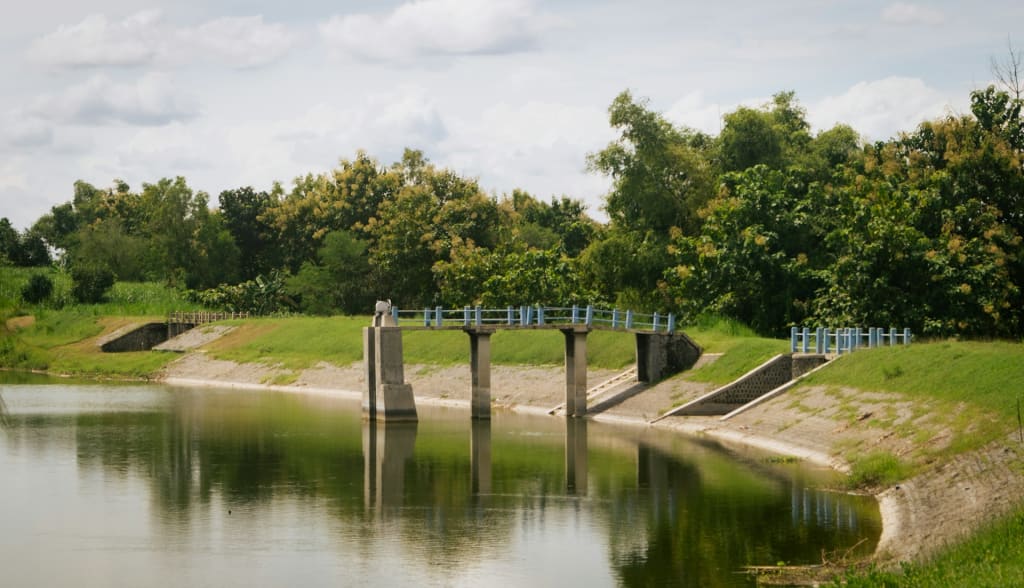
What if the most effective solution to the world’s water challenges wasn’t found in advanced technology or large-scale engineering, but in the hands of ordinary people? Across the globe, communities are managing their own water systems—designing, maintaining, and protecting them with remarkable success. These are not stories of outside intervention or top-down control, but of local ownership, innovation, and cooperation.
Why do some community-led water programs work so well when others fail? What do these communities know that policymakers and engineers sometimes overlook? Exploring the answers reveals not just lessons in water management, but also in human collaboration, resilience, and creativity.
The Power of Ownership: Why People Protect What They Build
Imagine a village where every household contributes to building a shared water system—a small tank, a well, or a network of pipes. Everyone invests their time, money, and effort because the water source belongs to them. That sense of ownership changes everything.
Community-led water management thrives on one simple idea: people care for what they own. When local residents are involved from the very beginning—identifying the problems, planning solutions, and making key decisions—they see water not as a handout but as a shared responsibility.
In rural Kenya, for example, water committees formed by local residents collect small maintenance fees and monitor usage daily. Because users participate in managing the system, they ensure fair access and handle repairs quickly. Instead of waiting for distant authorities or donors, they solve problems on their own.
The same principle applies across continents. In parts of Nepal, small communities have been managing gravity-fed water systems for years. Local volunteers inspect pipelines, fix leaks, and ensure that water reaches every home. These systems are often low-cost but highly reliable—proving that when people feel a deep connection to a resource, they protect it better than anyone else could.
Ownership transforms users into managers, and management transforms communities into collaborators. But what happens when tradition meets modern innovation?
Old Wisdom, New Tools: Blending Knowledge Across Generations
Communities have long been experts in managing water. They understand local climates, rainfall patterns, and soil behavior better than anyone. Yet modern innovations—solar pumps, digital sensors, filtration systems—are transforming how water can be stored, monitored, and distributed. The magic happens when both worlds come together.
Consider a small desert village in Rajasthan, India. For generations, residents relied on ancient stepwells that stored rainwater deep underground. In recent years, they’ve integrated these traditional systems with solar-powered pumps and filtration units. The result? Clean water throughout the year, managed entirely by locals who maintain both the old wells and the new technologies.
In Latin America, a similar story unfolds. Communities use satellite data and smartphone apps to monitor rainfall and reservoir levels. Yet they still rely on local elders’ experience to interpret the seasonal patterns that no sensor can fully predict. The combination of ancestral wisdom and modern data makes their systems both precise and adaptive.
Curiously, technology isn’t the driving force here—it’s the curiosity of the people using it. When communities experiment, learn, and innovate, they turn technology into a tool for empowerment, not dependency. The result is a water system that feels deeply personal yet impressively modern.
But technology alone doesn’t guarantee success. What ensures fairness, trust, and lasting cooperation is something more fundamental—governance.
Trust, Transparency, and the Human Side of Governance
Every successful community water project has one invisible ingredient: trust. Without it, even the best-designed systems can collapse. So how do communities build and maintain that trust?
The answer often lies in transparent governance. In many countries, communities elect local water committees responsible for oversight and financial management. These groups hold regular meetings, record every transaction, and post information publicly. Transparency turns water management into a collective effort rather than an individual burden.
In Tanzania, for instance, village boards display maintenance costs and water use data on chalkboards for everyone to see. This simple act builds accountability. People know where their contributions go and who is responsible for each task.
In Guatemala, some communities rotate committee leadership every few years to prevent power imbalances and encourage new perspectives. This rotation system keeps the management dynamic and fair.
What’s fascinating is how governance evolves naturally. Communities create their own systems of checks and balances—not because an outsider told them to, but because shared experience teaches them what works. It’s governance born out of practice, not policy.
Even environmental care becomes part of this trust-based system. Communities often organize tree-planting drives, enforce bans on water pollution, and patrol catchment areas. Their motivation isn’t legal enforcement but mutual understanding—an unspoken agreement that water belongs to everyone, and everyone must protect it.
But there’s another layer to this story: learning. What keeps these systems alive is not just good governance—it’s continuous education and collaboration.
Learning Together: How Knowledge Sustains Water Systems
Curiosity doesn’t end once a well is built or a pump installed. In fact, the most sustainable water projects are those that turn curiosity into a continuous learning process. Communities that ask “How can we do better?” are the ones that keep improving long after donors leave.
Educational initiatives are central to this process. In many regions, training programs teach villagers how to test water quality, repair systems, and understand the basics of hydrology. Knowledge sharing isn’t limited to adults—schools often play an active role. Children learn about water conservation, hygiene, and local ecology, taking these lessons home to influence their families.
Partnerships also help communities expand their learning. Governments, NGOs, and universities provide technical training, research support, and updated tools. In Ethiopia’s One WASH Program, local water committees collaborate with regional engineers who provide guidance and help with major repairs. This partnership ensures that communities retain autonomy while benefiting from expert knowledge.
In Central America, networks of rural water associations share best practices through peer learning sessions. Each community brings its own experiences, challenges, and innovations, creating a living classroom where everyone learns together.
Curiously, the most valuable lesson these communities learn is not just about water—it’s about resilience. They discover that when knowledge is shared, responsibility grows, and when responsibility grows, sustainability follows naturally.
Why Community Water Management Works—And What It Teaches Us
So what makes community-led water management so successful? It’s not just about wells, pumps, or pipes—it’s about people. When communities own the process, blend tradition with technology, govern transparently, and keep learning, they create systems that truly last.
These programs achieve impressive results. Studies show that community-managed water systems remain functional up to 90% of the time, compared to less than half for externally managed ones. The difference lies in engagement. People fix problems faster, share resources fairly, and take pride in their collective achievement.
There’s also a deeper cultural benefit. Community-led water programs strengthen social ties. They bring neighbors together, reduce conflicts, and nurture a shared sense of purpose. Water becomes not just a resource but a symbol of cooperation and unity.
Perhaps the most fascinating takeaway is this: effective water management is not only a technical challenge—it’s a social learning process. Communities that remain curious, reflective, and open to new ideas continue to evolve and adapt. Their curiosity becomes their greatest resource.
The Flow of Curiosity and Cooperation
Community-led water management programs teach us a simple but profound lesson—when people are trusted to manage their own resources, they often exceed expectations. Their curiosity drives innovation, their cooperation ensures fairness, and their commitment sustains progress.
These programs remind us that solutions to global problems can emerge from the ground up—crafted by those who live closest to the challenge and understand it best. Every successful community water system is not just a technical triumph; it is a story of curiosity turned into action.
Perhaps the question isn’t “How do we give communities clean water?” but “How can we learn from the ways they make it last?”
About the Creator
Baitulmaal
Baitulmaal, a Dallas-based nonprofit founded in 2004, delivers global humanitarian aid, supporting disaster relief, clean water, food, healthcare, and orphan care in underserved communities.
Website: https://baitulmaal.org/
Keep reading
More stories from Baitulmaal and writers in Earth and other communities.
Strength Under Pressure: Global Lessons from Emergency Response Efforts
The last decade has been marked by an unprecedented wave of emergencies, ranging from pandemics to natural disasters and humanitarian crises. Each event has tested humanity’s capacity to adapt, cooperate, and innovate under pressure. While these crises have exposed systemic weaknesses, they have also provided valuable lessons on how societies can better prepare for and respond to future threats. By examining recent global emergencies, we gain insight into the critical components of successful response efforts: early preparedness, technology, community engagement, international cooperation, and long-term resilience.
By Baitulmaal3 months ago in Education
Tea of Silence
The snow had covered the hills for days, turning the land into a quiet white world where sound seemed afraid to exist. On the highest of these hills, beneath a dry, leafless tree, a young man sat alone. The tree had long ago lost its strength, its branches thin and broken, but it still stood, as if refusing to disappear. The young man chose this place often, not because it was comfortable, but because it was honest.
By Bilal Mohammadi2 days ago in Earth
The Most Earthquake-Prone Places in the World and Why They Shake so Often
My interest in earthquakes began when I was a little girl. I remember watching footage of the ground shaking and wondering how something as solid as the Earth could suddenly move. That early curiosity stayed with me and eventually led me to learn more about why earthquakes happen and why some places experience them far more often than others.
By Marla Samuel6 days ago in Earth



Comments
There are no comments for this story
Be the first to respond and start the conversation.