

I. Introduction
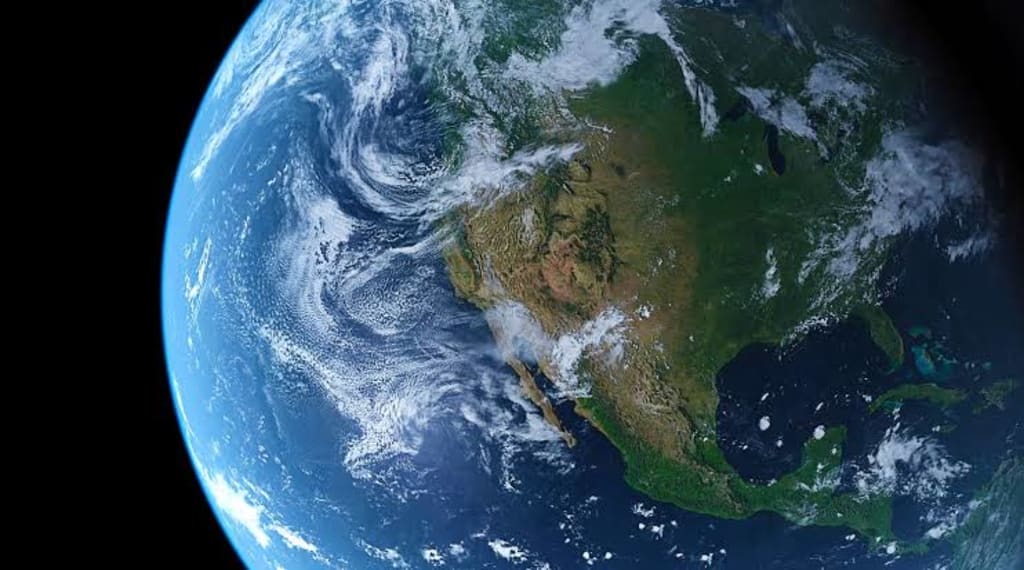
A. Definition of Earth: Earth is the third planet from the sun and the only known planet to support life. It is a terrestrial planet, meaning it is primarily composed of rock or metal. Earth has a diameter of about 12,742 km and is the fifth densest planet in the solar system.
B. Importance of Earth: Earth is the only known planet in the universe that can support life. It has a diverse array of ecosystems and biomes that are home to countless species of plants and animals. Additionally, Earth's atmosphere, magnetic field, and distance from the sun all contribute to the planet's ability to support life as we know it. The planet is also an important scientific object of study for understanding the origins of the solar system and the potential for life on other planets.
II. Physical Characteristics
A. Size and Shape: Earth is the fifth largest planet in the solar system and has an equatorial diameter of 12,742 km and a polar diameter of 12,714 km. It is an oblate spheroid, meaning it is slightly flattened at the poles and bulging at the equator due to its rotation.
B. Composition and Structure: Earth's composition is primarily made up of rock, with a small amount of metal in the core. The planet has three main layers: the crust, the mantle, and the core. The crust is the outermost layer and is composed of solid rock. The mantle is the layer beneath the crust and is composed of semi-solid rock. The core is the innermost layer and is primarily composed of iron and nickel.
C. Surface features: Earth's surface is covered by 71% water, and the remaining 29% is land. The land is divided into many different landforms such as mountains, valleys, plateaus, and plains. The oceans are also a significant feature of the Earth's surface and are home to a diverse array of marine life. Earth's atmosphere is composed of 78% nitrogen, 21% oxygen, and small amounts of other gases.
III. Climate and Weather
A. Factors that influence climate: Climate is determined by a variety of factors, including the planet's distance from the sun, the tilt of its axis, and the composition of its atmosphere. The sun's energy drives the Earth's climate, with the amount of solar radiation received by different regions determining temperature and precipitation patterns. Other factors such as ocean currents, topography, and human activity also play a role in shaping Earth's climate.
B. Types of climate regions: Earth has a wide variety of climate regions, including tropical, desert, temperate, and polar climates. These regions are determined by factors such as latitude, altitude, and proximity to oceans.
C. Weather patterns and phenomena: Weather is the short-term state of the atmosphere, including temperature, humidity, wind, and precipitation. There are many different types of weather phenomena, including thunderstorms, hurricanes, tornadoes, and blizzards. These phenomena are driven by a variety of meteorological processes, such as the movement of air masses and the interaction of warm and cold fronts.
IV. Life on Earth
A. Diversity of life: Earth is home to a vast array of plant and animal species, including everything from single-celled organisms to complex mammals. The diversity of life on Earth is a result of millions of years of evolution and adaptation to different environments.
B. Evolution of life: Life on Earth has evolved over billions of years, with the first simple life forms appearing around 3.5 billion years ago. Over time, these life forms have diversified and become more complex, eventually giving rise to the wide variety of species that exist today.
C. Ecological systems and biomes: Ecological systems are the interactions between living organisms and their physical environment. Biomes are large regions of the Earth that have similar climates and ecosystems. Examples of biomes include deserts, tropical rainforests, and tundra. These biomes are characterized by different types of vegetation and animal life, and they play a vital role in maintaining the Earth's biodiversity.
V. Human Impact on Earth
A. Population growth and urbanization: The human population has grown rapidly in recent history, with the world's population now surpassing 7 billion people. As a result, there has been a significant increase in urbanization, with more and more people moving into cities. This has led to a variety of issues, such as increased demand for resources, strain on infrastructure, and pollution.
B. Environmental issues: Human activities have had a significant impact on the Earth's environment, leading to a variety of issues such as pollution, deforestation, and climate change. Pollution from industrial and agricultural activities has led to air and water pollution, as well as contamination of soil. Deforestation has destroyed natural habitats for many species and has also contributed to climate change. Climate change, caused primarily by the burning of fossil fuels, is leading to rising temperatures, sea levels, and more severe weather events.
C. Conservation and sustainability efforts: In order to address these environmental issues, there have been a variety of conservation and sustainability efforts. These include efforts to reduce pollution and greenhouse gas emissions, protect endangered species and their habitats, and promote sustainable resource use. Organizations such as the World Wildlife Fund and Greenpeace have been working to raise awareness and advocate for conservation and sustainability policies.
VI. Conclusion
A. Recap of key points: Earth is a unique planet that supports a diverse array of life and has a complex climate and weather system. Human activities have had a significant impact on the planet, leading to environmental issues such as pollution, deforestation, and climate change. Conservation and sustainability efforts are necessary to address these issues and protect the planet for future generations.
B. Importance of understanding and protecting Earth: It is crucial to understand the Earth and its systems in order to protect and preserve it for future generations. By understanding the complex interactions between the planet's physical environment and the life that it supports, we can develop policies and practices that promote sustainability and protect the planet.
C. Future of Earth and its inhabitants: The future of Earth and its inhabitants is uncertain, as it depends on how humanity responds to the challenges facing the planet. With the right actions and policies, we can work towards a sustainable future in which the Earth and its inhabitants can thrive. However, if we continue to ignore the environmental issues, the future could be bleak. It is crucial that humanity takes responsibility and takes action to protect the Earth and its inhabitants.
About the Creator
Keep reading
More stories from Giridharan and writers in Earth and other communities.
What is mountain?
I. Introduction A. A mountain is a large landform that rises above the surrounding terrain in a limited area. It is usually defined by its height and steepness, and is often considered a separate entity from a hill. B. Mountains play a crucial role in the ecosystem as they provide habitat for a wide variety of plant and animal species, act as water catchments, and help regulate the earth's climate.
By Giridharan3 years ago in Earth
A Planet the Size of Earth with an Atmosphere Like Our Own
For centuries, humans have looked up at the night sky and wondered whether Earth is the only world capable of supporting life. Advances in modern astronomy have brought us closer than ever to answering that question. Recently, astronomers announced the discovery of a planet roughly the size of Earth with an atmosphere that appears surprisingly similar to our own. This finding has sparked excitement among scientists and renewed hope that life might exist elsewhere in the universe.
By Irshad Abbasi 5 days ago in Earth


Comments
There are no comments for this story
Be the first to respond and start the conversation.