
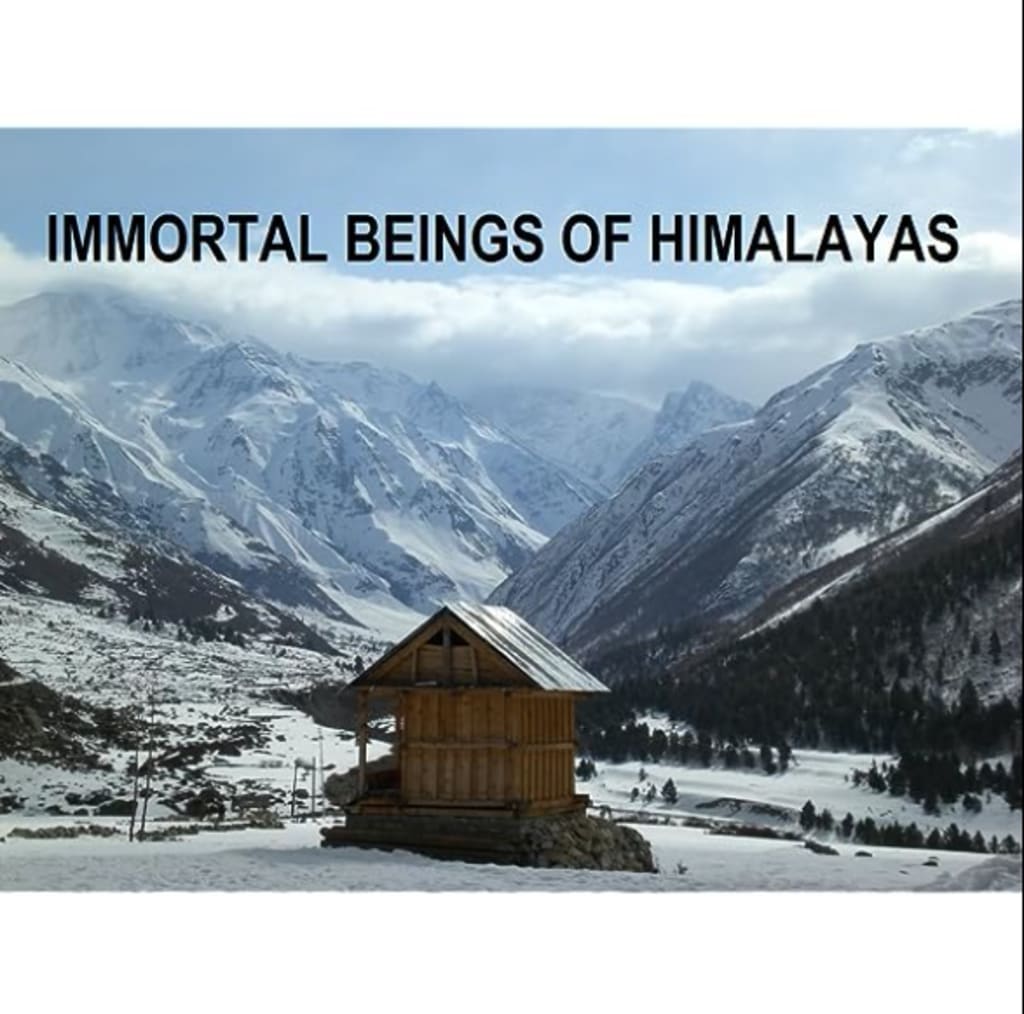
Introduction:**Mystical Majesty of the Himalayas and the Enigma of Mount Kailash**
The Himalayas, often referred to as the "abode of snow," stand as an awe-inspiring testament to nature's grandeur. This majestic mountain range spans across several countries, stretching its towering peaks and vast valleys over thousands of miles. Revered for their spiritual significance and breathtaking beauty, the Himalayas have captured the imagination of explorers, seekers, and pilgrims for centuries.
At the heart of the Himalayas lies Mount Kailash, an enigmatic peak that holds profound religious and mythological significance. Revered by multiple religions, including Hinduism, Buddhism, and Jainism, Mount Kailash is not only a physical marvel but also a spiritual icon. Its towering presence and its distinctively symmetrical peak have led many to believe that it is a sacred axis connecting the heavens and the earth.
For Hindus, Mount Kailash is considered the earthly abode of Lord Shiva, one of the most revered deities in the pantheon. The peak's allure is heightened by the belief that it is the spot from which Lord Shiva meditates, reflecting a tranquil blend of the divine and the natural. Pilgrims undertake arduous journeys to circumambulate the mountain, a ritual known as the Kailash Parikrama, in the hopes of attaining spiritual enlightenment and divine blessings.
In Buddhism, Mount Kailash holds a place of prominence as well. It is believed to be the abode of Demchok, a deity who represents the merging of wisdom and method in Tibetan Buddhist philosophy. The journey around the mountain, often undertaken by devout Buddhists, is seen as a path to enlightenment and a transcendental experience.
The allure of Mount Kailash transcends religious boundaries, drawing those who seek to unravel the mystique that shrouds its slopes. Pilgrims, trekkers, and explorers flock to its vicinity, drawn by a potent combination of spiritual reverence and natural magnificence. However, it's important to note that Mount Kailash's sacred status has led to restrictions on climbing its peak, with many choosing to honor its spiritual significance through pilgrimage rather than conquest.
**Gyanganj: The Hidden Realm of Enlightened Beings**
In the vast expanse of the Himalayas, myths and legends often intertwine with reality, giving rise to tales that captivate the imagination. One such intriguing notion is that of Gyanganj, a mystical hidden realm that purportedly houses enlightened beings and sages.
Gyanganj is said to be a remote and secluded place, accessible only to those who have reached a certain level of spiritual evolution. It is believed that these beings possess immense knowledge and wisdom, and they continue to guide and influence the course of humanity's development from behind the scenes.
The concept of Gyanganj is rooted in the idea of hidden cities or abodes, a recurring theme in various ancient texts and myths. The legend often takes different forms in different cultures, but the essence remains consistent: a secret sanctuary inhabited by enlightened individuals who have chosen to remain hidden from the rest of the world.
Accounts of Gyanganj evoke a sense of wonder and curiosity, offering a glimpse into a realm where time seems to stand still, and the pursuit of knowledge and enlightenment takes precedence. However, as with many mystical concepts, the existence of Gyanganj remains shrouded in mystery and speculation, with stories often passed down through oral traditions and ancient texts.
Whether regarded as fact or fable, the notion of Gyanganj continues to fascinate and inspire those who yearn for a deeper understanding of the mysteries that the Himalayas hold. It serves as a reminder that in the vastness of the world's most majestic mountains, there are realms of consciousness and wisdom that transcend the limitations of the material world.
**In Conclusion**
The Himalayas, with their towering peaks and sacred mysteries, stand as a testament to the profound connection between the natural and the divine. Mount Kailash's symbolic significance as a spiritual axis and the legend of Gyanganj's hidden realm both reflect humanity's eternal quest for enlightenment and connection with the unknown. Whether climbing the slopes of Mount Kailash in search of divine blessings or pondering the existence of hidden sages in Gyanganj, the allure of the Himalayas continues to beckon explorers and seekers to venture into its captivating depths.
Road map for gyanganj
Since there is no established or confirmed location for Gyanganj, it's not possible to provide a road map or directions to reach it. The concept of Gyanganj is shrouded in mystery and has been passed down through oral traditions, ancient texts, and folklore.
If you're interested in exploring the Himalayan region, there are many breathtaking destinations that you can visit, each with its own unique beauty and cultural significance. Places like Nepal, Bhutan, Ladakh, and Tibet offer stunning landscapes, ancient monasteries, and a deep connection to spirituality and nature.
However, if you are interested in spiritual exploration or meditation in the Himalayas, it's advisable to conduct thorough research, seek guidance from experts, and respect local cultures and beliefs. Keep in mind that certain areas in the Himalayas may have restricted access due to their spiritual significance or environmental conservation efforts.
About the Creator
When Immigration Enforcement Crosses the Threshold: ICE’s Controversial 2025 Memo
In 2025, the U.S. Immigration and Customs Enforcement (ICE) agency released a new internal memo outlining updated guidelines for immigration enforcement. The memo, which has since become highly controversial, addresses the use of force, detention practices, and enforcement priorities, and has drawn scrutiny from lawmakers, human rights advocates, and legal experts alike.
By Aarif Lasharia day ago in Earth
What We Know About the Winter Storm About to Hit the US—and What We Don’t
A major winter storm is barreling toward the United States, raising concerns from meteorologists, emergency officials, and residents alike. Across large portions of the country, from the southern plains to the Northeast, communities are preparing for heavy snow, ice, and gusty winds. Yet despite advanced forecasting technology, uncertainty remains about the storm’s timing, intensity, and ultimate impact. Understanding what we know—and what we don’t—can help families and local governments make better preparations for the potentially disruptive weather ahead.
By Muhammad Hassan2 days ago in Earth
The Path to Salvation
The late autumn evening air filled the monk's lungs, but it wasn't the season that chilled his bones. The heavy-handed presence of evil he had sensed upon entering the woods surrounding this mountain village had not bothered to conceal itself from him.
By Made in DNA2 days ago in Fiction


Comments
There are no comments for this story
Be the first to respond and start the conversation.