
Guardians of Rapa Nui's Secrets: The Enigmatic Moai Statues of Easter Island
Unveiling the Past, Culture, and Mystery of Rapa Nui's Iconic Stone Sentinels


Easter Island, a remote jewel in the vast expanse of the Pacific, beckons travelers with its enigmatic allure. Standing proudly on this far-flung land are the monumental Moai statues, a testament to the island's profound history and a source of fascination that transcends time. Rapa Nui, as the island is known locally, holds within its embrace the keys to a narrative that is as captivating as it is mysterious.
A Glimpse into Rapa Nui's History:
Rapa Nui is located over 2,000 miles off the coast of Chile and is one of the most isolated inhabited places on Earth. The island's indigenous Polynesian inhabitants arrived on this remote land around 1,200 years ago. Over the centuries, they developed a unique culture that revolved around their connection to the land, the sea, and the spirits of their ancestors.
The most famous feature of Rapa Nui's cultural heritage is undoubtedly the Moai statues. These monolithic figures, carved from volcanic rock, range in height from several feet to over 30 feet tall. They feature elongated faces, prominent brows, and distinctive topknots. The sheer size and artistry of these statues are a testament to the skills and dedication of the island's ancient artisans.
The Enigma of the Moai:
The construction and transportation of the Moai statues have puzzled researchers for decades. The sheer scale of these statues raises questions about how the ancient Rapa Nui people managed to carve, transport, and erect such massive stone figures. Theories regarding the methods used to move the Moai from quarries to their designated platforms, known as "ahu," vary widely. Some suggest the use of ropes, while others speculate the statues were "walked" into place using a rocking motion.
The significance of the Moai in Rapa Nui culture is also a topic of debate. Many believe that these statues represented ancestral spirits or chiefs, serving as a link between the living and the deceased. Others argue that the statues held a more spiritual or ritualistic purpose, connecting the people with their environment and traditions.
Easter Island's Ecological Challenges:
The story of Rapa Nui also serves as a cautionary tale about the delicate balance between human activities and the environment. The island's once-thriving ecosystem was gradually depleted by the growing population's need for resources. Deforestation, soil erosion, and overfishing took a toll on the island's natural resources, leading to a decline in the population and the collapse of the society's traditional way of life.
The Moai, symbolic of Rapa Nui's ancient culture, stand as silent witnesses to the island's tumultuous history and the challenges that arose from mismanagement of resources. Today, efforts are being made to restore and preserve both the statues and the island's fragile environment.
Preserving the Legacy:
Recognizing the importance of Rapa Nui's cultural heritage, preservation initiatives have been undertaken to protect the Moai and the island's unique archaeological sites. UNESCO designated Easter Island as a World Heritage Site in 1995, highlighting the need to safeguard its historical significance for future generations.
Visitors to Rapa Nui can now marvel at the Moai, learn about their history and significance, and appreciate the efforts being made to conserve these remarkable artifacts and the island's natural beauty.
In conclusion, the mystery of Easter Island's Moai statues continues to captivate and inspire people around the world. These iconic figures offer a glimpse into the past and serve as a reminder of the complex interplay between human culture and the environment. As we unravel the secrets of Rapa Nui, we gain a deeper understanding of our shared human history and the importance of preserving the treasures of the past for the future.
A journey into Rapa Nui's history reveals a tapestry woven with the threads of human ingenuity and connection to the cosmos. The island's Polynesian inhabitants, guided by their deep reverence for their forebears, carved out a civilization rich in art, tradition, and spirituality. The Moai, with their chiseled features and imposing statures, embody the ethos of a people who sought to honor their ancestry while building a bridge between the terrestrial and the ethereal.
About the Creator
Emma
I'm a passionate storyteller.With every word I put to paper, I aim to evoke emotions, stimulate thoughts, and take readers on a journey they won't soon forget. Stories have the power to connect people and offer them an escape from reality
O-Ring Seals Market Size and Forecast 2025–2033
Introduction In an era defined by advanced engineering, sustainability goals, and performance efficiency, the smallest components often play the biggest roles. Among these unsung heroes of modern manufacturing are O-ring seals—simple, circular devices that quietly prevent leaks, ensure safety, and keep critical systems functioning under extreme conditions.
By Aaina Oberoi5 days ago in Earth
Tidal Barrier to Be 10m Shorter to Save Money
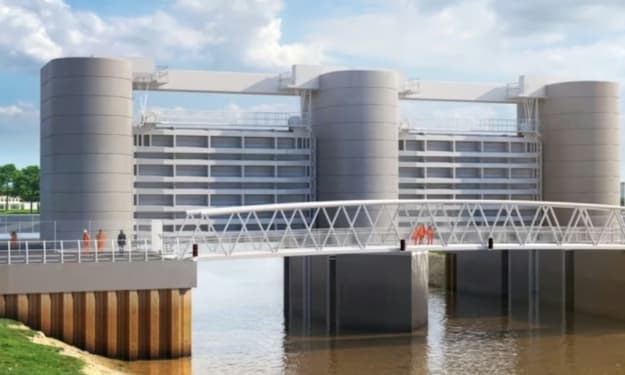
Rethinking Flood Protection in Somerset If you live near the coast, the threat of flooding isn’t just news — it’s a reality you can feel. That’s the situation in Bridgwater, Somerset, a historic market town near the Bristol Channel. For years, plans have been underway to build a tidal barrier to protect homes, businesses, and livelihoods from storm surges. Now, new updates reveal the barrier will be about 10 metres shorter than originally planned, a decision aimed at reducing costs while still keeping the town safe. This announcement has sparked conversations about engineering, budgets, and how communities adapt to climate challenges. Why the Barrier Is Being Shortened The Bridgwater Tidal Barrier was initially designed to be a high-profile flood defence, protecting thousands of properties from tidal surges that travel up the River Parrett. But after a recent design efficiency review, engineers concluded the barrier could be slightly shorter without compromising safety. Reducing the barrier by 10 metres lowers construction complexity, saves money, and reduces long-term maintenance costs. The Environment Agency and local authorities say this approach allows the project to move forward on time and on budget, ensuring the community gets protection sooner rather than later. The Cost Factor Public infrastructure projects like this don’t happen in a vacuum. Rising inflation, global supply chain disruptions, and labor shortages have increased costs for large-scale projects. Officials argue that the revised design is a responsible compromise: it balances cost savings with safety. Somerset Council leaders have welcomed the decision, noting that managing costs wisely helps the project reach completion without compromising protection for residents. Community Voices and Concerns Local engagement has been a key part of the project. Residents have attended consultations and drop-in sessions to see the updated plans and ask questions. Some community members appreciate the cost savings and faster timeline. Others worry whether a shorter barrier will be as effective against future extreme weather events. Questions include: Will the barrier remain strong against increasingly unpredictable storms? Does reducing the height limit future adaptability as climate impacts grow? What effect might it have on local ecosystems and fish habitats? These are valid concerns, reflecting how communities are increasingly involved in climate adaptation decisions. Engineering Flood Defence Today Tidal barriers are not new — Britain has relied on them for decades. London’s Thames Barrier, for instance, has protected the capital since the 1980s. But today, rising sea levels and more frequent storms mean engineers must balance safety, cost, and environmental impact carefully. In Bridgwater, officials say the revised barrier will still protect against 1-in-200-year tidal events. It’s designed to provide robust safety now while remaining adaptable for the future. The Human Side of Flood Protection It’s easy to get lost in numbers and metres, but behind the design decisions are real people. Residents depend on reliable flood protection to feel secure in their homes and communities. For families, businesses, and local services, knowing a barrier is being built — even a slightly shorter one — provides peace of mind. It’s not just a structure; it’s a symbol of resilience and preparedness. Next Steps for the Barrier The Bridgwater project is still under construction, with the revised design undergoing final refinements. Once completed, the tidal barrier will provide long-term protection for thousands of properties and critical infrastructure in Somerset. Officials emphasize that the shortened design does not compromise safety. If anything, staying on budget ensures the project is completed faster, meaning protection arrives sooner for the community. A Lesson in Climate Adaptation The story of the Bridgwater Tidal Barrier is more than engineering or economics. It’s about how communities respond to climate risks and how governments make tough choices balancing safety, cost, and sustainability. The barrier being 10 metres shorter may seem small on paper, but it reflects a larger truth: infrastructure planning today is as much about community engagement, adaptability, and long-term resilience as it is about concrete and steel. By keeping people involved and making informed, cost-effective decisions, Somerset shows how towns can adapt to climate change without sacrificing safety. Conclusion The Bridgwater Tidal Barrier demonstrates that infrastructure projects in the 21st century must adapt to multiple pressures: climate change, financial constraints, and community expectations. While the barrier is slightly shorter than originally planned, it remains a critical line of defence against flooding. More importantly, it highlights the importance of public involvement, transparency, and strategic planning in building a resilient community. For Bridgwater residents, the message is clear: the tide may rise, storms may come, but with smart planning and community engagement, the town will be ready
By Muhammad Hassan3 days ago in Earth



Comments
There are no comments for this story
Be the first to respond and start the conversation.