
Guardians of Compassion: Strengthening Animal Welfare Laws for a Kinder World
Exploring Challenges, Responsibilities, and Transformative Developments in Global Animal Protection

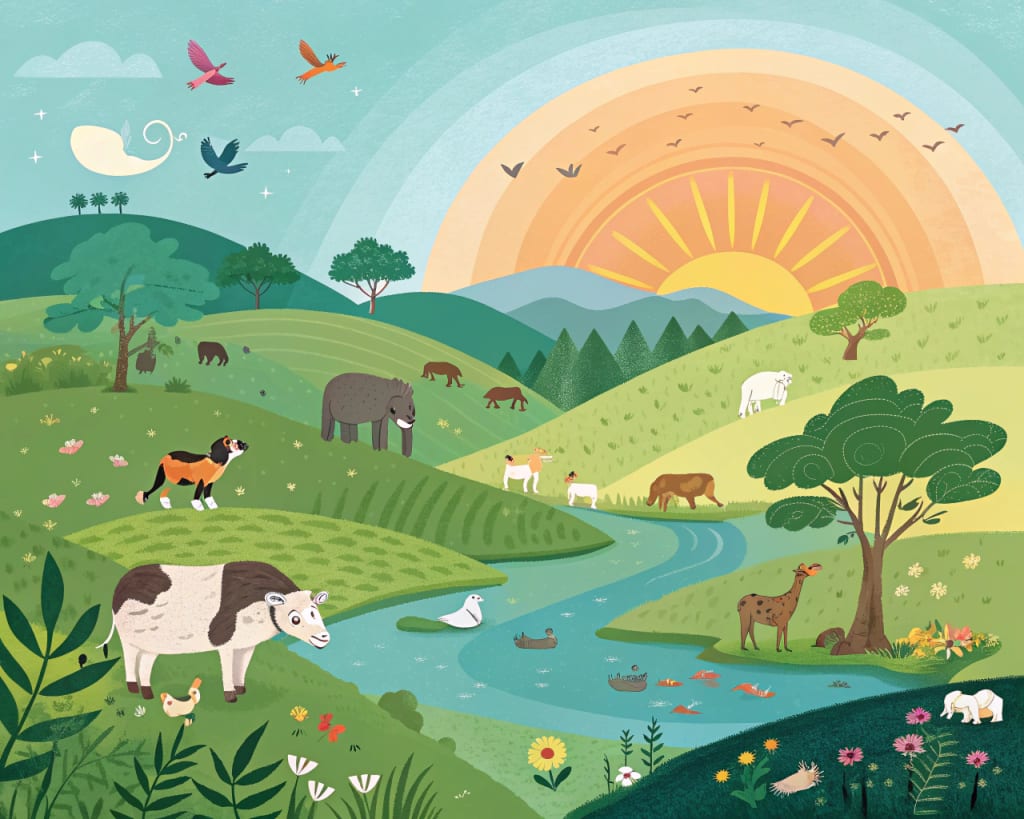
Animal welfare laws stand as a testament to humanity’s evolving commitment to compassion, ensuring animals are treated with dignity and respect. Across the globe, legislation like India’s Prevention of Cruelty to Animals Act (PCA) and the U.S. Animal Welfare Act (AWA) sets standards to prevent cruelty and promote ethical treatment. Yet, enforcement gaps and societal attitudes challenge their impact. By understanding responsibilities under these laws and embracing recent advancements, we can forge a future where animals thrive. Let’s delve into the challenges, impacts, and transformative solutions shaping animal protection worldwide.
Challenges in Animal Welfare Laws
Animal welfare laws face significant hurdles. In India, the PCA of 1960, enforced by the Animal Welfare Board of India (AWBI), defines cruelty broadly—covering beating, starvation, and unfit labor—but penalties remain lenient, with fines as low as ₹500 ($6). Enforcement is weak, with only 4,000 cruelty cases prosecuted annually despite millions of violations, per a 2024 LegalOnus report. Limited public awareness and underfunded agencies hinder progress, with 60% of enforcement officers lacking adequate training. Globally, the U.S. AWA, enacted in 1966, excludes 95% of research animals (rats, mice, birds) and farm animals, leaving billions unprotected.
Cultural practices, like ritual slaughter, and commercial interests, such as factory farming, complicate enforcement. In Asia, 70% of countries lack comprehensive laws for farm animals, while globally, 1.6 billion animals face inhumane conditions yearly, per FAO estimates. Inconsistent regulations across borders, such as varying standards for animal transport, create loopholes, allowing practices like live horse exports in Canada to persist despite public outcry.
Impacts on Animals and Society
Weak animal welfare laws have profound consequences. In India, 80% of stray dogs face neglect or abuse, contributing to 20,000 human rabies deaths annually. Globally, factory farming subjects 70 billion animals to cramped, unsanitary conditions, with 90% of U.S. poultry excluded from humane slaughter protections. Poor welfare fuels zoonotic diseases, with 60% of emerging infections linked to animal mistreatment, per WHO. Economically, weak enforcement costs $300 billion yearly in health and environmental damages.
Conversely, strong laws yield benefits. India’s 2014 ban on animal-tested cosmetics and 2013 prohibition of captive dolphin shows set global precedents. In the EU, recognizing animals as sentient beings has reduced factory farming by 15% since 2015. Such laws foster empathy, reducing violence, as FBI data links animal cruelty to serious crimes. Societies embracing animal welfare report higher public trust and ethical consumption, boosting sustainable markets.
Responsibilities and Recent Developments
Under animal welfare laws, responsibilities are clear. India’s PCA mandates owners provide adequate food, shelter, and medical care, with Section 11 penalizing neglect. The U.S. AWA requires licensed facilities to ensure humane housing, transport, and veterinary care for covered species. Globally, owners and industries must adhere to the “five freedoms”—freedom from hunger, discomfort, pain, fear, and to express natural behaviors. Citizens are urged to report violations, with NGOs like India’s AWBI and the U.S.’s Humane Society facilitating advocacy.
Recent developments signal progress. In 2025, U.S. states like Colorado and Michigan banned caged hen egg production, protecting 10 million birds annually. Canada’s 2023 cosmetics testing ban and 2024 pet custody laws recognize animals as sentient family members. Ireland’s 2013 Animal Health and Welfare Act strengthened enforcement, with judicial reviews ensuring accountability. Proposals like the U.S. Animal Cruelty Enforcement Act of 2025 aim to create dedicated DOJ units, addressing prosecution delays.
A Call to Action
Animal welfare laws demand collective action. Governments must increase penalties, with India needing to raise PCA fines tenfold, and fund enforcement training. Globally, laws should cover all sentient animals, closing gaps for farm and research species. Individuals must uphold their duty of care, report cruelty, and support ethical products. Innovations like lab-grown meat and AI monitoring can reduce animal suffering. By advocating for stronger laws, as seen in campaigns by Humane World and Naturewatch, we can ensure animals live free from cruelty. The time is now to champion compassion, creating a world where every creature thrives.
About the Creator
Arjun. S. Gaikwad
Truth Writing unveils reality beyond illusion, power, and propaganda words that awaken conscience and challenge comfort. Fearless, honest, and thought-provoking, it explores politics, humanity, and spirit to inspire awareness and change.
Keep reading
More stories from Arjun. S. Gaikwad and writers in Earth and other communities.
Asia’s Agricultural Awakening: Powering Food Security for 4.7 Billion
Asia, home to 60% of the world’s population, is the epicenter of global agriculture, producing 50% of the world’s food on 40% of its arable land. From India’s rice paddies to China’s high-tech farms, agriculture drives economies, employing 700 million people and contributing 10% to regional GDP. Yet, climate change, resource scarcity, and urbanization threaten this vital sector. Through innovation, policy reforms, and sustainable practices, Asia is redefining its agricultural future. Let’s explore the challenges, impacts, and transformative solutions shaping this dynamic region.
By Arjun. S. Gaikwad6 months ago in Earth
A building's lifetime climate impact is mostly determined by its daily energy use.
The majority of a building's climate impact is not caused by its construction. As the heating, lighting, and ventilation systems continue to function year after year, it gradually accumulates.
By Francis Dami5 days ago in Earth
Workers Recover 15,000 Crabs After Lorry Crashes Into Field
An extraordinary scene unfolded when a lorry carrying an estimated 15,000 live crabs crashed into a field, spilling its cargo across farmland and prompting a large-scale recovery effort. The unusual accident quickly drew attention from local residents, emergency services, and animal welfare groups, as workers scrambled to rescue as many crabs as possible before they succumbed to exposure.
By Aarif Lashari7 days ago in Earth



Comments
There are no comments for this story
Be the first to respond and start the conversation.