
Growing Peonies: A Guide to Cultivating These Stunning Flowers
Discover the secrets to growing healthy and vibrant peony plants, including tips on choosing the right type and caring for these beautiful flowers

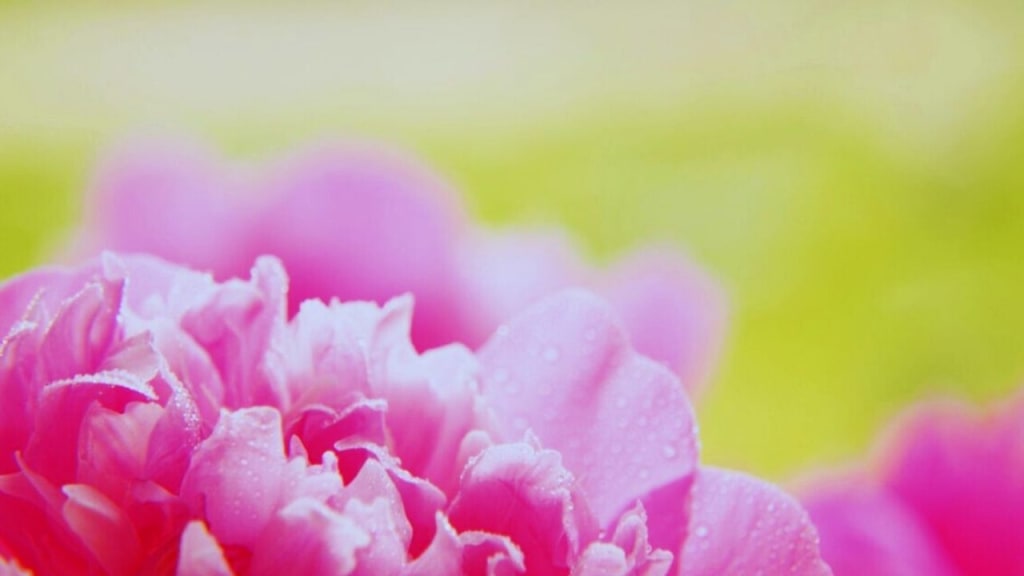
Peonies are one of the most beloved perennials in the gardening world, and for good reason. These stunning flowers come in a variety of colors, including pink, white, purple, and red, and are known for their lush, full blooms and delicate fragrance. In this article, we'll explore the basics of growing peonies, including how to choose the right type, plant, and care for these beautiful flowers.
Choosing the Right Peony Plant
Before you start growing peonies, it's essential to choose the right type of plant. There are several varieties of peonies to choose from, including:
Herbaceous Peonies: These are the most common type of peony and are known for their lush, green foliage and vibrant blooms.
Tree Peonies: These peonies are characterized by their woody stems and are often used as ornamental plants.
Intersectional Peonies: These peonies are a cross between herbaceous and tree peonies and offer the best of both worlds.
When choosing a peony plant, consider factors such as bloom color, plant size, and growth habits. Some popular varieties of peonies include 'Pink Hawaiian Coral', 'White Peonies', and 'Red Charm'.
Planting Peonies
Planting peonies is a relatively straightforward process. Here are a few tips to keep in mind:
Choose a location with full sun to partial shade: Peonies need at least six hours of direct sunlight per day to bloom well.
Plant in well-draining soil: Peonies don't like wet feet, so make sure the soil drains well and is rich in organic matter.
Plant the tubers correctly: Plant the peony tubers 1-2 inches deep and 3-4 feet apart. Make sure the "eyes" (small buds on the crown) are facing upwards.
Caring for Peonies
Once you've planted your peonies, it's essential to provide them with the right care. Here are a few tips to keep in mind:
Water deeply but infrequently: Peonies need about 1 inch of water per week. Avoid frequent shallow watering, which can lead to weak and spindly growth.
Fertilize lightly: Feed your peonies with a balanced fertilizer in the spring when the foliage emerges.
Deadhead the flowers: Remove the spent flowers to encourage the plant to focus its energy on re-growing and storing energy for next year's bloom.
Common Pests and Diseases
Like all plants, peonies are susceptible to pests and diseases. Here are a few common issues to watch out for:
Aphids: These small, soft-bodied insects can cause curled or distorted leaves.
Botrytis: This fungal disease can cause gray mold to form on the leaves and stems.
Root rot: This can occur if the soil is too wet or poorly draining.
Companion Planting
Peonies can benefit from companion planting with other flowers and plants. Some good companions for peonies include:
Yucca: These drought-tolerant plants can provide a striking contrast to the lush foliage of peonies. Try pairing peonies with Yucca rostrata (Beaked Yucca) or Yucca gloriosa (Spanish Dagger).
Daylilies: These hardy perennials can provide a pop of color in the summer when peonies are dormant.
Coneflowers: These drought-tolerant flowers can provide a striking contrast to the delicate blooms of peonies.
Conclusion
Growing peonies can be a rewarding and enjoyable experience. By choosing the right type of plant, planting it correctly, and providing the right care, you can enjoy these stunning flowers for years to come.
Whether you're a seasoned gardener or just starting out, peonies are definitely worth considering. So why not give them a try? With their lush foliage, vibrant blooms, and delicate fragrance, peonies are sure to bring joy and beauty to your garden.
About the Creator
Canva Artworks
Canvaartworks: Your hub for knowledge, specializing in blogs about painting and more. Discover new insights with us!
Keep reading
More stories from Canva Artworks and writers in Earth and other communities.
Unlocking the World of Oil Painting: A Beginner's Guide
Introduction: Oil painting is an art form, which is very elegant and dramatic and was widely used throughout ages. As it is seen in its richness in textures, bright hues and possibility of layering, oil painting is special. If you are a novice interested in the field of oil painting then this article will help in providing you with a direction which you need to stick to as a beginner.
By Canva Artworksabout a year ago in Art
65% of Workers Are Interested in ‘Microshifting’ Their Schedules as an Alternative to the Strict 9-to-5
The traditional 9-to-5 workday has long been considered the standard, but recent research suggests that employees are seeking more flexibility than ever before. A striking 65% of workers report interest in ‘microshifting’ their schedules, a concept that allows them to adjust their work hours in smaller increments rather than sticking to a rigid daily routine. For many, this is more than just a scheduling preference — it’s a way to reclaim control over their time, reduce stress, and boost productivity.
By Muhammad Hassan4 days ago in Earth
How Much Do You Need in an ISA for a Passive Income That Beats the State Pension?
For many people in the UK, the State Pension is expected to form the backbone of retirement income. But with rising living costs and growing uncertainty about the future, more savers are asking a crucial question: Can I build a passive income that beats the State Pension — and how much would I need in an ISA to do it?
By Aarif Lashari5 days ago in Earth




Comments
There are no comments for this story
Be the first to respond and start the conversation.