

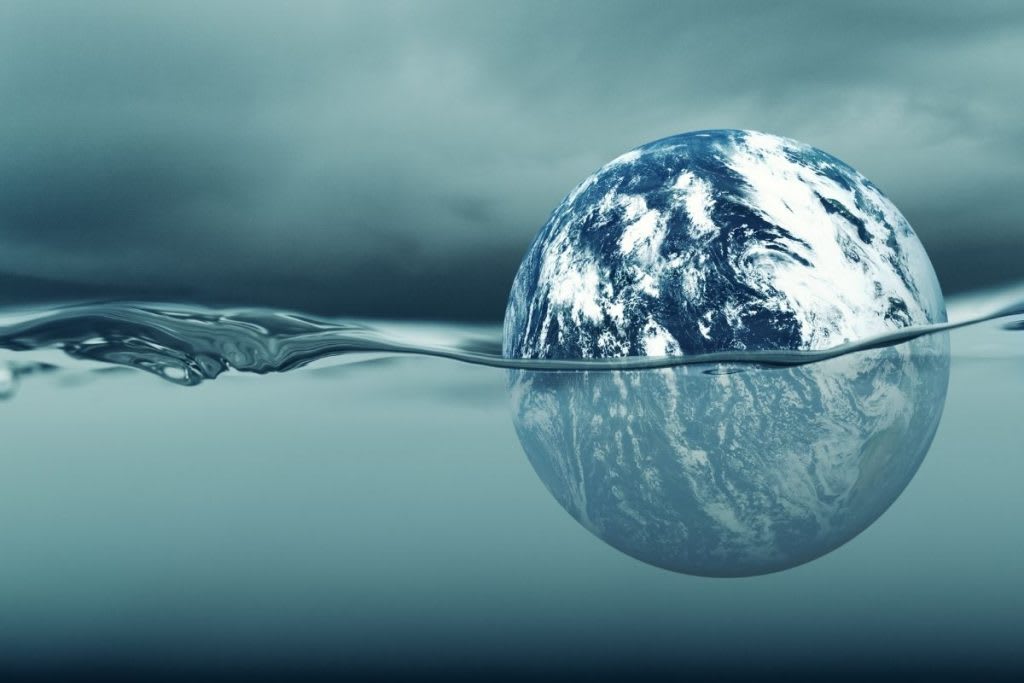
Global warming and rising sea levels are two interrelated phenomena that have been extensively studied by scientists and are of great concern to the global community. The scientific consensus is clear: human activities, particularly the burning of fossil fuels and deforestation, are driving the increase in greenhouse gas emissions, leading to a rise in global temperatures and subsequent sea-level rise. Here are some key facts about global warming and rising sea levels:
1. Global temperatures are rising: Over the past century, the Earth's average surface temperature has increased by approximately 1 degree Celsius (1.8 degrees Fahrenheit). This warming trend is primarily attributed to the increased concentration of greenhouse gases, such as carbon dioxide (CO2), in the atmosphere.
2. Melting glaciers and ice sheets: Rising temperatures have caused significant melting of glaciers and ice sheets worldwide, including the Greenland and Antarctic ice sheets. As a result, vast amounts of freshwater are being added to the world's oceans, contributing to rising sea levels.
3. Thermal expansion: When water heats up, it expands. This phenomenon, known as thermal expansion, is another major contributor to rising sea levels. As the oceans absorb more heat from the atmosphere, the water expands, occupying a larger volume and causing sea levels to rise.
4. Accelerated sea-level rise: Over the past century, the global average sea level has risen by about 20 centimeters (7.9 inches). However, the rate of sea-level rise has been accelerating in recent decades. Since the early 1990s, the rate has nearly doubled compared to the previous century.
5. Coastal erosion and flooding: Rising sea levels pose a significant threat to coastal regions worldwide. As sea levels rise, coastal erosion and flooding become more frequent and severe, leading to the loss of land, infrastructure, and habitats. Low-lying islands and densely populated coastal cities are particularly vulnerable to these impacts.
6. Displacement of communities: The effects of rising sea levels force communities and populations to migrate, seeking higher ground and more stable living conditions. This displacement not only disrupts the lives of affected individuals but also presents significant social, economic, and political challenges.
7. Impact on ecosystems: Rising sea levels have far-reaching ecological consequences. Coastal habitats, such as salt marshes, mangroves, and coral reefs, are at risk of submergence or erosion, disrupting fragile ecosystems and endangering numerous plant and animal species.
8. Threat to freshwater resources: As seawater infiltrates into coastal aquifers due to rising sea levels, the freshwater supplies of coastal communities are threatened. This intrusion of saltwater can render the water unfit for consumption and agricultural use, leading to water scarcity and related conflicts.
9. Intensification of extreme weather events: Global warming and rising sea levels contribute to the intensification of extreme weather events, such as hurricanes, cyclones, and storm surges. These events can cause catastrophic damage to coastal areas and amplify the risks associated with rising sea levels.
10. Mitigation and adaptation: To address the challenges posed by rising sea levels, concerted efforts are needed. Mitigation strategies include reducing greenhouse gas emissions, transitioning to renewable energy sources, and enhancing energy efficiency. Adaptation measures involve implementing coastal protection measures, improving urban planning, and promoting the resilience of vulnerable communities.
In conclusion, global warming and rising sea levels are scientifically substantiated phenomena with wide-ranging impacts. They threaten coastal areas, ecosystems, freshwater resources, and human communities worldwide. Addressing these challenges requires global collaboration and immediate action to reduce greenhouse gas emissions, protect vulnerable regions, and build adaptive capacity to ensure a sustainable and resilient future
About the Creator
Keep reading
More stories from writers in Earth and other communities.
France’s Navy Intercepts an Oil Tanker in the Mediterranean Sailing From Russia
France’s navy has intercepted an oil tanker sailing from Russia in the Mediterranean Sea, a move that underscores the growing complexity of enforcing international sanctions amid ongoing geopolitical tensions. The interception, while not unprecedented, highlights how European nations are increasingly using naval assets to monitor, inspect, and sometimes detain vessels suspected of violating sanctions or maritime regulations linked to Russian energy exports.
By Muhammad Hassan6 days ago in Earth
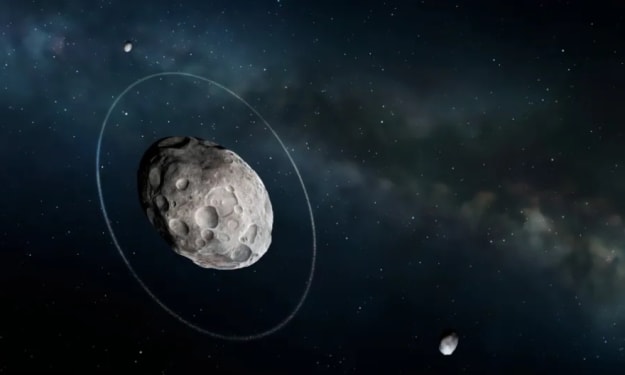
Hunt for the Names of Mysterious Dwarf Planets
Far beyond the familiar planets of our solar system lies a cold, dark region filled with icy bodies, ancient debris, and mysterious worlds yet to be fully understood. Among these distant objects are dwarf planets, many of which orbit on the fringes of our solar system in regions like the Kuiper Belt and beyond. While some, such as Pluto, have captured public imagination for decades, many others remain unnamed, sparking a fascinating hunt among astronomers to discover, study, and ultimately name these elusive celestial bodies.
By Aarif Lasharia day ago in Earth



Comments
There are no comments for this story
Be the first to respond and start the conversation.