
Global Warming
The Facts, the Effects, and What We Can Do About It

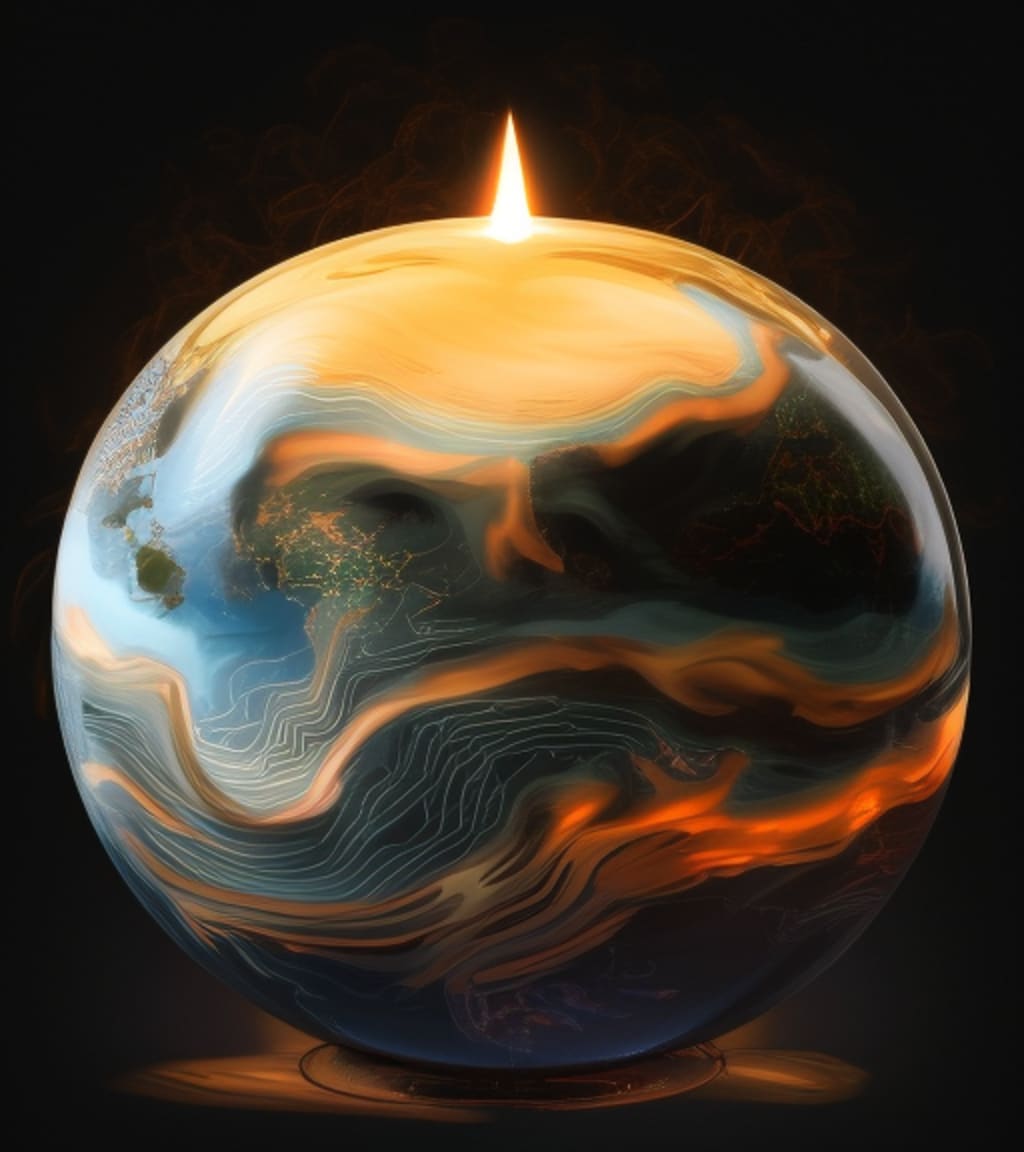
Global warming, also known as climate change, is one of the biggest challenges that humanity faces today. The rise in global temperatures is caused by an increase in greenhouse gases, such as carbon dioxide, methane, and nitrous oxide, which are released into the atmosphere due to human activities. The effects of global warming are already being felt around the world, and if we don't take action soon, they will only get worse.
The Facts
The evidence of global warming is undeniable. According to NASA, the average global temperature has increased by about 1 degree Celsius since the late 19th century, with most of the warming occurring in the past few decades. This may not sound like a lot, but it's enough to cause significant changes in the Earth's climate.
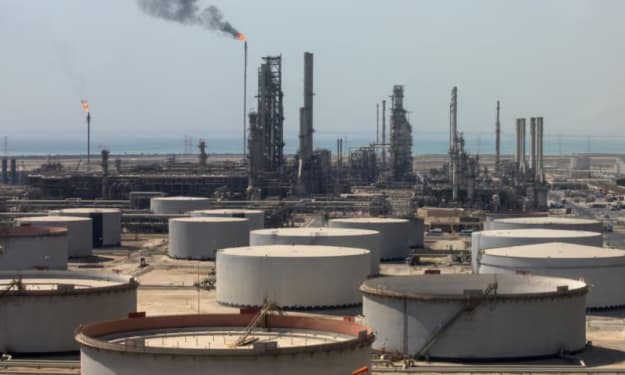
One of the main causes of global warming is the burning of fossil fuels such as coal, oil, and gas, which releases large amounts of carbon dioxide into the atmosphere. Deforestation is also a major contributor, as trees absorb carbon dioxide and release oxygen. When trees are cut down, the carbon dioxide they would have absorbed is released back into the atmosphere.
The Effects
The effects of global warming are far-reaching and varied. Some of the most notable effects include:
Melting ice caps and glaciers: As temperatures rise, ice caps and glaciers are melting at an alarming rate. This is causing sea levels to rise, which can lead to flooding and the displacement of people living in coastal areas.
Extreme weather events: Global warming is causing more frequent and severe weather events, such as hurricanes, floods, and droughts. This can lead to crop failures, food shortages, and other economic and social disruptions.
Loss of biodiversity: Many species are struggling to adapt to the changing climate, and some are already going extinct. This can have cascading effects on ecosystems, leading to further biodiversity loss and ecological collapse.
Health impacts: Global warming is also affecting human health, causing an increase in heat-related illnesses, respiratory problems, and the spread of diseases carried by insects such as mosquitoes.
What We Can Do About It
While global warming may seem like an overwhelming problem, there are things we can do to mitigate its effects and slow down its progress. Some of the most effective actions include:
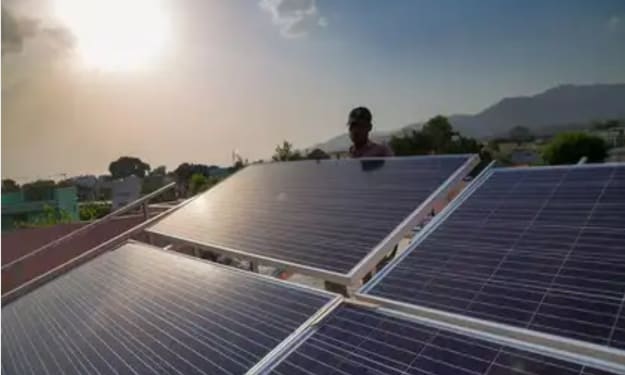
Reducing greenhouse gas emissions: We can reduce greenhouse gas emissions by transitioning to clean energy sources such as wind and solar power, improving energy efficiency, and using public transportation instead of driving.
Planting trees: Trees absorb carbon dioxide and release oxygen, making them a natural way to combat global warming. Planting trees and preventing deforestation can help to offset some of the carbon emissions we produce.
Supporting political action: It's important to support political leaders who prioritize action on climate change. This includes voting for candidates who prioritize environmental issues and advocating for policies that reduce greenhouse gas emissions.
Living sustainably: We can all do our part to reduce our carbon footprint by living sustainably. This includes reducing our consumption of meat, using reusable bags and water bottles, and buying products made from environmentally friendly materials.
Conclusion
Global warming is a complex and multifaceted problem that requires a global response. The facts are clear, and the effects of global warming are already being felt around the world. However, we can still take action to slow down its progress and mitigate its effects. By reducing greenhouse gas emissions, planting trees, supporting political action, and living sustainably, we can help to create a more sustainable and habitable planet for generations to come.
About the Creator
Keep reading
More stories from writers in Earth and other communities.
Half of World’s CO2 Emissions Come From Just 32 Fossil Fuel Firms, Study Shows
A groundbreaking new study has revealed that 32 fossil fuel companies are responsible for half of global carbon dioxide emissions since the industrial era began. The findings highlight the outsized influence of major oil, gas, and coal producers on climate change, and raise urgent questions about accountability, regulation, and the transition to cleaner energy.
By Aarif Lashari4 days ago in Earth
“Do Not Copy This Site’s Content”: Why Originality Matters More Than Ever in the Digital Age
“Do not copy this site’s content.” It’s a warning most internet users have seen countless times, often at the bottom of webpages or buried in terms and conditions. Many scroll past it without a second thought. But in today’s digital world, that simple sentence carries far more weight than people realize.
By Muhammad Hassanabout 5 hours ago in Earth
The Blue Ridge Stalker
Tom had left the Ford down the way, its spark plugs finally exhausted and no mechanics for a dozen miles back through the foothills to Strossburg. No matter, he had worn his boots—almost as if he planned for this to happen. The puzzle he sought to solve emanated from the woods clinging to the slopes above; the valley behind held no mysteries.
By Stephen A. Roddewig3 days ago in Fiction


Comments
There are no comments for this story
Be the first to respond and start the conversation.