
Global Candle Market Size and Forecast 2025–2033
How Wellness Trends, Aesthetic Living, and Sustainable Choices Are Powering the Candle Industry’s Next Growth Wave


The global candle market is entering a transformative decade, shaped by shifting lifestyles, surging interest in wellness, and a profound rise in aesthetic living. According to Renub Research, the global candle market is expected to reach US$ 18.08 billion in 2033, up from US$ 10.56 billion in 2024, registering a CAGR of 6.16% from 2025 to 2033. This growth reflects not only the rising adoption of scented and decorative candles but also evolving consumer perceptions around ambiance, luxury, and emotional well-being.
Candles today are more than just functional lighting items; they are lifestyle staples, therapeutic tools, and expressive décor pieces. As consumers seek comfort, mindfulness, and immersive sensory experiences, the candle industry is positioned for sustained expansion.
What Defines the Modern Candle Market?
A candle, created from an ignitable wick embedded in wax or alternative solid fuels, is no longer restricted to illumination. Modern consumers use candles for aromatherapy, decoration, relaxation rituals, celebrations, meditation, gifting, and mood-setting. The rise of scented, decorative, and artisanal candles has reshaped the industry far beyond its traditional boundaries.
Candles fall into three broad categories:
Basic candles – classic shapes, often sold in sets
Fancy candles – sculpted or uniquely designed
Scented candles – infused with simple or complex aroma profiles
Common waxes include paraffin, beeswax, soy wax, and plant-based blends. Standard taper widths remain at 2.2 cm, while specialty shapes continue gaining popularity with lifestyle-centric buyers.
Festivals such as Diwali, Christmas, and Lunar New Year significantly boost global candle demand. Rising disposable incomes also allow consumers to explore premium designs and exotic fragrances. Yankee Candle’s various collections—featuring mango, vanilla spice, starfruit, and red ginger blends—reflect how global scent inspiration is shaping new product lines.
Key Growth Drivers of the Global Candle Market
1. Rise of Sustainable and Eco-Friendly Products
Growing environmental consciousness is pushing consumers toward soy, beeswax, coconut wax, and other natural alternatives over traditional paraffin wax. Brands increasingly adopt:
Biodegradable materials
Recyclable or minimalistic packaging
Essential-oil-based fragrances
This shift appeals to wellness-driven consumers seeking clean-burning, non-toxic indoor products.
2. Personalization and Customization
Customization has become a central trend, driven by the desire for products that reflect personal identity and emotional connection. This includes:
Custom labels
Personalized fragrances
Bespoke colors and shapes
Special-event candles
Small artisanal businesses and online platforms have accelerated this sector, making the candle industry more inclusive, expressive, and diversified.
3. E-Commerce Expansion
Online retail has revolutionized how consumers purchase candles. Digital platforms offer:
Global accessibility
Niche and boutique brands
Attractive gift packaging
Subscription boxes
Influencer-driven buying trends
Convenience, variety, and enhanced product discovery through social media are helping propel the market forward.
4. Lifestyle Shifts Toward Wellness and Home Comfort
Consumers increasingly seek products that foster relaxation, mindfulness, and stress relief. Aromatherapy candles infused with lavender, chamomile, or eucalyptus have become essential items for:
Home offices
Living rooms
Self-care routines
Nighttime rituals
Remote work culture accelerated this trend as individuals spend more time curating comforting indoor spaces.
Challenges Facing the Candle Market
1. Health and Allergy Concerns
Certain candles—particularly those made with paraffin wax or synthetic fragrances—may emit:
Benzene
Toluene
Other volatile organic compounds (VOCs)
This has led to increased awareness and demand for health-safe candles, pushing brands to innovate using natural blends and essential oils.
2. Sustainability Pressure
While natural waxes are gaining popularity, responsible sourcing is challenging. For example:
Unsustainable soy farming may contribute to deforestation.
Excess packaging increases global waste.
Manufacturers must balance sustainability with affordability and product performance, making innovation essential for long-term growth.
Candle Market Segmentation Insights (Global)
By Wax Type
Palm Wax
Soy Wax
Beeswax
Paraffin
Others
Paraffin continues to dominate due to cost-effectiveness, manufacturing ease, and widespread availability.
By Category
Economical (dominant category)
Luxury
The economic segment remains the backbone of the market due to price sensitivity, although luxury candles appeal strongly to urban, high-income consumers.
By Product
Votive
Container Candles
Pillars
Tapers
Others
Container candles lead globally because they offer safer burning, portability, and strong aesthetic value.
By Distribution Channel
Online Retail
Specialty Stores
Supermarkets & Hypermarkets (dominant channel)
Departmental Stores
Institutional Sales
Supermarkets and hypermarkets maintain dominance through accessibility, impulse-driven sales, and competitive pricing.
Regional Market Overview
North America
North America remains one of the strongest markets for scented and decorative candles. Consumers prefer premium fragrances and wellness-oriented products.
United States
The U.S. candle market continues to thrive due to:
High disposable income
Demand for aromatherapy
Seasonal buying trends (Christmas, Valentine’s Day)
Growth of eco-friendly brands
In July 2023, Yankee Candle launched its Daydreaming of Autumn collection featuring scents like Pumpkin Maple Crème Caramel and Spicy Sangria—products that resonate strongly with seasonal shoppers.
Europe
Europe has a mature candle market led by lifestyle trends, sustainability movements, and notable holiday celebrations.
Germany
Germany’s love for home décor and eco-friendly living fuels strong demand. Consumers prefer:
Soy or beeswax candles
Essential-oil diffusions
Recyclable packaging
With rising disposable incomes, the German market is expected to maintain steady growth.
Asia-Pacific
APAC is emerging as a major growth region due to urbanization, rising middle-class incomes, and expanding gifting culture.
China
China showcases strong demand during festivals like:
Mid-Autumn Festival
Chinese New Year
Premium candles are gaining traction among urban consumers. In 2022, Diptyque introduced limited-edition collections in China, supported by celebrity endorsements and KOL marketing.
Middle East
United Arab Emirates
The UAE candle market is influenced by luxury purchasing patterns and the importance of ambiance during social gatherings and religious celebrations. Aromatherapy, premium scented candles, and designer brands are particularly popular.
Competitive Landscape
Major industry players include:
Portmeirion Group PLC
Newell Brands Inc.
Estée Lauder Companies Inc.
Lalique Group SA
Bath & Body Works, Inc.
MVP Group International Inc.
Diptyque Paris
NEST New York
Thymes, LLC
Village Candle
Notable Recent Developments
Diptyque (2023): Launched a nature-inspired candle line featuring scents derived from jasmine, pine needles, and fig leaves.
Yankee Candle (2023): Released a sustainable soy-wax collection with fragrances like lavender, citrus, and vanilla.
These innovations showcase the industry's shift toward cleaner ingredients and elevated sensory experiences.
Country Coverage (26 Countries)
North America: United States, Canada
Europe: France, Germany, Italy, Spain, UK, Belgium, Netherlands, Turkey
Asia-Pacific: China, Japan, India, Indonesia, South Korea, Thailand, Malaysia, Australia, New Zealand
Latin America: Brazil, Mexico, Argentina
Middle East & Africa: Saudi Arabia, UAE, South Africa
Rest of the World
Final Thoughts
The next decade of the global candle market is shaped by dual forces: emotional wellness and sustainability. As consumers increasingly invest in home ambiance, self-care rituals, and aesthetic living, candles have evolved from simple household utilities into lifestyle essentials.
With Renub Research projecting the market to reach US$ 18.08 billion by 2033, brands that prioritize clean ingredients, innovative fragrances, recyclable packaging, and immersive customer experiences will lead the way.
About the Creator
Keep reading
More stories from Aaina Oberoi and writers in Earth and other communities.
Saudi Arabia Air Purifier Market Size and Forecast 2025–2033
The Saudi Arabia Air Purifier Market is on a clear upward trajectory, expanding from US$ 186.64 million in 2024 to an estimated US$ 344.87 million by 2033, according to Renub Research. This translates into a CAGR of 7.06% during 2025–2033, reflecting the country’s rapidly rising commitment to clean air, health protection, and modern indoor environmental solutions.
By Aaina Oberoi2 months ago in Earth
Earth Is Not Our Property
There was a time when the Earth did not need us. Rivers carved their own paths without permission. Forests rose and fell like quiet empires. Ice learned the language of patience. The planet breathed in rhythms older than memory, older than names. Then we arrived—curious, clever, afraid of silence—and decided everything needed a fence.
By LUNA EDITHabout 17 hours ago in Earth
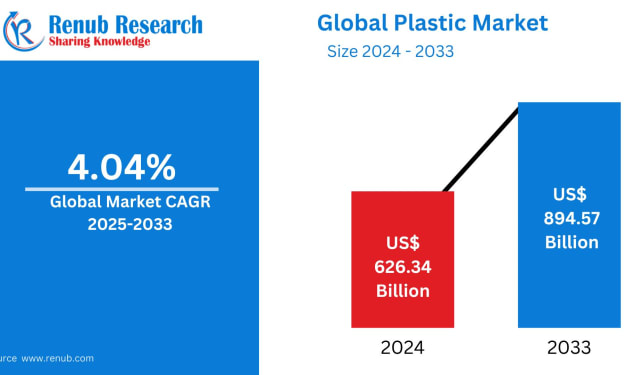
Global Plastic Market Size and Forecast 2025–2033: Innovation, Sustainability, and the Future of a $894 Billion Industry
Introduction: A Market That Touches Every Industry The global plastics industry remains one of the most influential pillars of modern manufacturing, supporting everything from food packaging and construction to healthcare, automotive, and electronics. Despite growing environmental scrutiny, plastics continue to evolve, adapt, and expand—driven by technological innovation, economic growth in emerging markets, and the urgent shift toward recyclable and biodegradable materials.
By Janine Root about 6 hours ago in Earth



Comments
There are no comments for this story
Be the first to respond and start the conversation.