
Gangaikonda Cholapuram
History, Attractions, and Cultural Significance of Gangaikonda Cholapuram


Gangaikonda Cholapuram is a historical town located in the Indian state of Tamil Nadu. It was the capital of the Chola dynasty during the 11th century under the rule of Rajendra Chola I, one of the greatest Chola emperors.
The town is famous for its Brihadeshwara Temple, which is a UNESCO World Heritage Site. The temple is dedicated to Lord Shiva and was built during the reign of Rajendra Chola I. It is known for its towering vimana or gopuram, which is 55 meters high, making it one of the tallest in India.
Apart from the temple, Gangaikonda Cholapuram is also known for its other architectural wonders, including the Nandi Bull, which is a monolithic statue made of granite, and the Palace of Rajendra Chola I, which was once the king's residence.
Today, Gangaikonda Cholapuram is a popular tourist destination, attracting visitors from all over the world who come to explore its rich history and cultural heritage.
Gangaikonda Cholapuram was established by Rajendra Chola I after his successful conquest of the northern regions of India. The town's name means "the town of the Chola who took the Ganges", as it was named after the Ganges River in North India that Rajendra Chola I conquered.
The Brihadeshwara Temple, also known as the Peruvudaiyar Kovil, is the most prominent attraction in Gangaikonda Cholapuram. It is an architectural masterpiece and is considered one of the finest examples of Dravidian architecture in South India. The temple complex also includes several smaller shrines and mandapams, or pillared halls, adorned with intricate carvings.
Apart from the temple, Gangaikonda Cholapuram is also home to several other historical sites. These include the Siva Ganga Garden, which was a royal pleasure garden during the Chola era, and the Shiva temple of Darasuram, which is another UNESCO World Heritage Site.
Gangaikonda Cholapuram was a major center of learning during the Chola dynasty, and the town is known for its contributions to literature, art, and architecture. The Cholas were renowned for their naval power and their trade relations with other countries, and Gangaikonda Cholapuram played an important role in these activities.
Today, Gangaikonda Cholapuram is a bustling town with a rich cultural heritage. It is an important center of silk weaving and handloom textiles, and visitors can also enjoy the local cuisine and shopping for handicrafts and souvenirs. The town is easily accessible by road and is located about 70 kilometers from the city of Tiruchirapalli.
Gangaikonda Cholapuram was a center of culture and learning during the Chola dynasty, and it is said that the town had several universities and educational institutions. The Cholas were great patrons of the arts and literature, and Gangaikonda Cholapuram was home to many scholars, poets, and artists.
The town is also known for its water management systems, which were built during the Chola era. The Cholas were known for their advanced engineering skills, and they built several irrigation tanks, canals, and water channels to support agriculture and maintain a steady supply of water for their people.
Apart from its cultural and historical significance, Gangaikonda Cholapuram is also known for its natural beauty. The town is surrounded by lush green forests, hills, and waterfalls, making it a popular destination for nature lovers and adventure enthusiasts.
Visitors to Gangaikonda Cholapuram can also experience the traditional way of life of the local people. The town is home to several traditional handicrafts, including silk weaving and pottery, and visitors can observe the artisans at work and even purchase their products.
In summary, Gangaikonda Cholapuram is a town of great historical, cultural, and natural significance. It is a testament to the architectural and engineering skills of the Chola dynasty and is a living example of the rich cultural heritage of South India. Visitors to Gangaikonda Cholapuram can experience the beauty of the town's historical sites, natural surroundings, and traditional way of life.
About the Creator
O-Ring Seals Market Size and Forecast 2025–2033
Introduction In an era defined by advanced engineering, sustainability goals, and performance efficiency, the smallest components often play the biggest roles. Among these unsung heroes of modern manufacturing are O-ring seals—simple, circular devices that quietly prevent leaks, ensure safety, and keep critical systems functioning under extreme conditions.
By Aaina Oberoi7 days ago in Earth
Tidal Barrier to Be 10m Shorter to Save Money
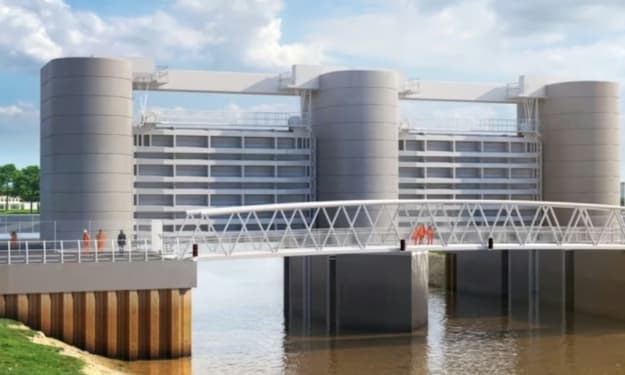
Rethinking Flood Protection in Somerset If you live near the coast, the threat of flooding isn’t just news — it’s a reality you can feel. That’s the situation in Bridgwater, Somerset, a historic market town near the Bristol Channel. For years, plans have been underway to build a tidal barrier to protect homes, businesses, and livelihoods from storm surges. Now, new updates reveal the barrier will be about 10 metres shorter than originally planned, a decision aimed at reducing costs while still keeping the town safe. This announcement has sparked conversations about engineering, budgets, and how communities adapt to climate challenges. Why the Barrier Is Being Shortened The Bridgwater Tidal Barrier was initially designed to be a high-profile flood defence, protecting thousands of properties from tidal surges that travel up the River Parrett. But after a recent design efficiency review, engineers concluded the barrier could be slightly shorter without compromising safety. Reducing the barrier by 10 metres lowers construction complexity, saves money, and reduces long-term maintenance costs. The Environment Agency and local authorities say this approach allows the project to move forward on time and on budget, ensuring the community gets protection sooner rather than later. The Cost Factor Public infrastructure projects like this don’t happen in a vacuum. Rising inflation, global supply chain disruptions, and labor shortages have increased costs for large-scale projects. Officials argue that the revised design is a responsible compromise: it balances cost savings with safety. Somerset Council leaders have welcomed the decision, noting that managing costs wisely helps the project reach completion without compromising protection for residents. Community Voices and Concerns Local engagement has been a key part of the project. Residents have attended consultations and drop-in sessions to see the updated plans and ask questions. Some community members appreciate the cost savings and faster timeline. Others worry whether a shorter barrier will be as effective against future extreme weather events. Questions include: Will the barrier remain strong against increasingly unpredictable storms? Does reducing the height limit future adaptability as climate impacts grow? What effect might it have on local ecosystems and fish habitats? These are valid concerns, reflecting how communities are increasingly involved in climate adaptation decisions. Engineering Flood Defence Today Tidal barriers are not new — Britain has relied on them for decades. London’s Thames Barrier, for instance, has protected the capital since the 1980s. But today, rising sea levels and more frequent storms mean engineers must balance safety, cost, and environmental impact carefully. In Bridgwater, officials say the revised barrier will still protect against 1-in-200-year tidal events. It’s designed to provide robust safety now while remaining adaptable for the future. The Human Side of Flood Protection It’s easy to get lost in numbers and metres, but behind the design decisions are real people. Residents depend on reliable flood protection to feel secure in their homes and communities. For families, businesses, and local services, knowing a barrier is being built — even a slightly shorter one — provides peace of mind. It’s not just a structure; it’s a symbol of resilience and preparedness. Next Steps for the Barrier The Bridgwater project is still under construction, with the revised design undergoing final refinements. Once completed, the tidal barrier will provide long-term protection for thousands of properties and critical infrastructure in Somerset. Officials emphasize that the shortened design does not compromise safety. If anything, staying on budget ensures the project is completed faster, meaning protection arrives sooner for the community. A Lesson in Climate Adaptation The story of the Bridgwater Tidal Barrier is more than engineering or economics. It’s about how communities respond to climate risks and how governments make tough choices balancing safety, cost, and sustainability. The barrier being 10 metres shorter may seem small on paper, but it reflects a larger truth: infrastructure planning today is as much about community engagement, adaptability, and long-term resilience as it is about concrete and steel. By keeping people involved and making informed, cost-effective decisions, Somerset shows how towns can adapt to climate change without sacrificing safety. Conclusion The Bridgwater Tidal Barrier demonstrates that infrastructure projects in the 21st century must adapt to multiple pressures: climate change, financial constraints, and community expectations. While the barrier is slightly shorter than originally planned, it remains a critical line of defence against flooding. More importantly, it highlights the importance of public involvement, transparency, and strategic planning in building a resilient community. For Bridgwater residents, the message is clear: the tide may rise, storms may come, but with smart planning and community engagement, the town will be ready
By Muhammad Hassan4 days ago in Earth
Ludacris and Nelly draw backlash over bookings at MAGA-coded music festival
Ludacris and Nelly headlining a mostly right-wing event is good for them. It’s also great for the genre of hip hop. The two rap veterans have showcased their talents on other stages. Why can’t they perform for mostly MAGA folks and grab that bag?
By Skyler Saunders6 days ago in Beat



Comments
There are no comments for this story
Be the first to respond and start the conversation.