
From Sunrise to Status Updates: Life Through the Facebook Lens
Seeing Daily Life Through a Social Media Lens
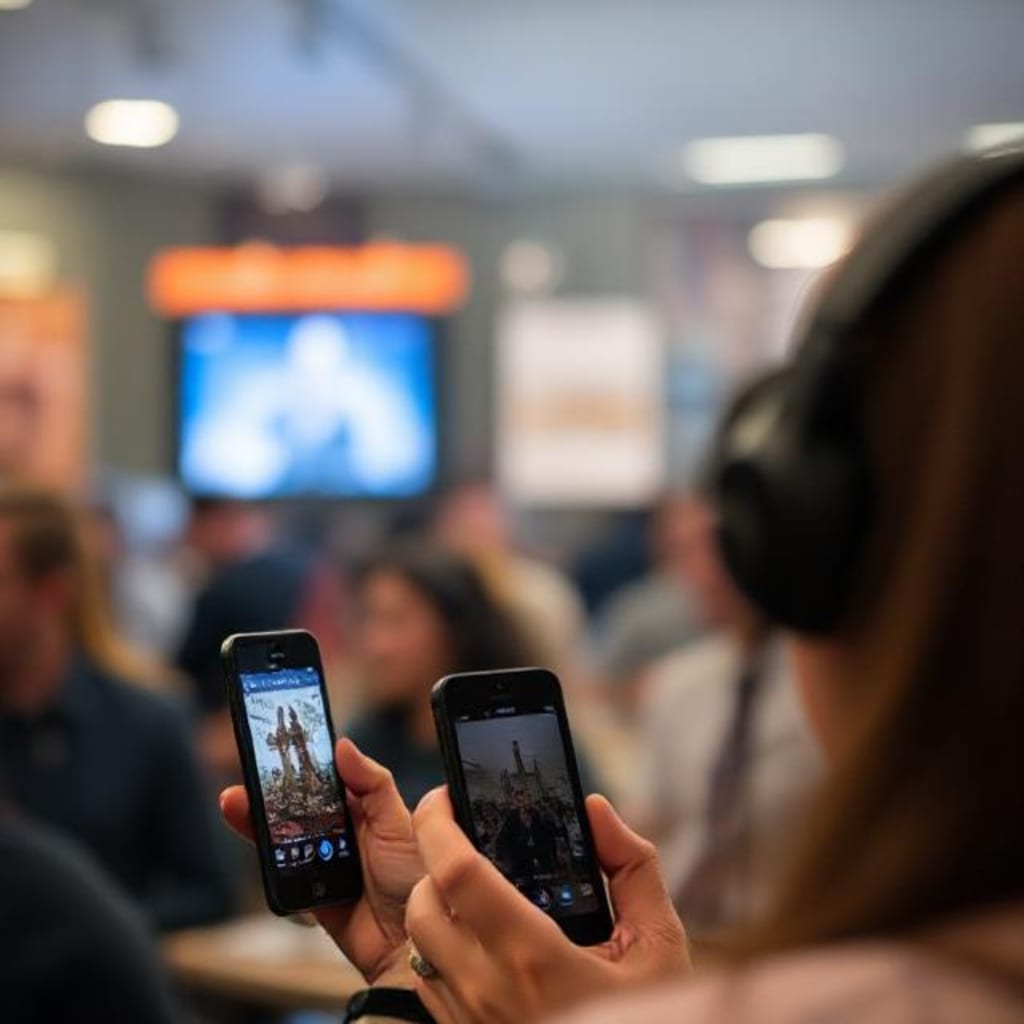
In today’s digitally driven world, Facebook has grown beyond being just a platform for sharing photos or chatting with friends—it has become a significant part of our daily lives. For many, scrolling through Facebook is as routine as brushing their teeth in the morning or grabbing a cup of coffee. While it began as a simple social networking site, Facebook now plays a complex role in shaping our habits, social interactions, emotions, and even how we perceive the world around us.
The Morning Scroll
One of the most notable ways Facebook has embedded itself into our lives is through our morning routines. Many people begin their day not by stepping outside or meditating, but by grabbing their phones and opening Facebook. Within minutes, we are updated on our friends' lives, breaking news, trending memes, or local events. In a way, it has replaced the traditional morning newspaper. The morning scroll serves as a soft entry into the day, giving us a peek into the world while still lying in bed.
This behavior is not random; it is the result of years of habit-building. Notifications, likes, and comments trigger dopamine—the feel-good chemical in our brains—creating a cycle of reward that encourages us to keep coming back for more. It becomes easy to feel like something is missing from the day if we haven’t checked Facebook in the morning.
Social Connections and Disconnections
Facebook was originally created to help people stay connected, and it still excels at that. Whether it’s wishing someone a happy birthday, keeping in touch with old school friends, or joining groups with shared interests, Facebook offers a virtual community that can help combat loneliness and bridge physical distance.
However, there is also a paradox. While Facebook keeps us connected online, it can sometimes contribute to a sense of disconnection in the real world. Sitting with family or friends while being absorbed in the Facebook feed can hinder real-time conversations and diminish face-to-face interactions. Some users even experience what psychologists call "Facebook envy," a feeling of inadequacy or sadness caused by comparing their lives to the seemingly perfect lives displayed in other people's posts.
Daily Life Through a Filter
Another key impact of Facebook is how it influences the way we present our daily lives. From the food we eat to the vacations we take, many people feel the need to document and share these moments on Facebook. This tendency to curate our lives for public viewing can make us more conscious of our actions and even shape the choices we make.
For example, someone might choose a more “Instagrammable” meal at a restaurant or visit a location simply because it will look good in photos. The line between living life and performing life begins to blur. While this isn’t inherently negative, it does raise questions about authenticity and how much of our real selves we’re sharing online.
Facebook as a Source of News and Information
Beyond personal updates, Facebook has become a primary source of news and information for many. From political headlines to health advice, users often rely on Facebook to stay informed. This has its pros and cons. On one hand, it allows for quick access to a variety of viewpoints and stories. On the other hand, it opens the door to misinformation and echo chambers, where people only see content that aligns with their beliefs.
The Facebook algorithm prioritizes engagement, not necessarily accuracy. This means that controversial or emotionally charged posts are more likely to appear in your feed than well-researched articles. As a result, critical thinking and media literacy have become more important than ever in the Facebook age.
Work-Life Balance and Productivity
Another subtle yet significant impact of Facebook is its influence on productivity. What often starts as a five-minute break to check Facebook can easily turn into a half-hour scroll session. For professionals and students alike, this habit can interfere with focus and efficiency. Notifications can disrupt deep work, and the temptation to “just check one thing” can lead to prolonged distractions.
Some people combat this by setting app usage limits or removing Facebook from their phones entirely. Others embrace it as a necessary part of modern life, especially those whose work involves social media marketing, community building, or news sharing. The key, as always, lies in balance.
Emotional Impact and Mental Health
Facebook’s impact on mental health is a widely discussed topic. While it can offer support networks and positive reinforcement, it can also contribute to anxiety, depression, and stress. Constant exposure to curated, polished versions of other people's lives can lead to unrealistic comparisons and feelings of inadequacy.
Moreover, the addictive nature of the platform can lead to a feeling of dependency. Many users report feeling restless or anxious when they haven’t checked Facebook for a while. Recognizing these emotional patterns and taking regular breaks from social media can be crucial for maintaining mental wellness.
Conclusion: Finding Balance in a Connected World
Facebook is neither inherently good nor bad—it is a tool. Like any tool, its impact depends on how we use it. It has revolutionized communication, enabled connections across continents, and allowed for the sharing of ideas at an unprecedented scale. At the same time, it has subtly reshaped our daily routines, our sense of self, and our social dynamics.
As we continue to integrate technology into every corner of our lives, it’s important to be mindful of how platforms like Facebook are influencing our daily habits. With awareness and intentionality, we can enjoy the benefits of connection without becoming consumed by the scroll.
Let me know if you want a version In today’s digitally driven world, Facebook has grown beyond being just a platform for sharing photos or chatting with friends—it has become a significant part of our daily lives. For many, scrolling through Facebook is as routine as brushing their teeth in the morning or grabbing a cup of coffee. While it began as a simple social networking site, Facebook now plays a complex role in shaping our habits, social interactions, emotions, and even how we perceive the world around us.
The Morning Scroll
One of the most notable ways Facebook has embedded itself into our lives is through our morning routines. Many people begin their day not by stepping outside or meditating, but by grabbing their phones and opening Facebook. Within minutes, we are updated on our friends' lives, breaking news, trending memes, or local events. In a way, it has replaced the traditional morning newspaper. The morning scroll serves as a soft entry into the day, giving us a peek into the world while still lying in bed.
This behavior is not random; it is the result of years of habit-building. Notifications, likes, and comments trigger dopamine—the feel-good chemical in our brains—creating a cycle of reward that encourages us to keep coming back for more. It becomes easy to feel like something is missing from the day if we haven’t checked Facebook in the morning.
Social Connections and Disconnections
Facebook was originally created to help people stay connected, and it still excels at that. Whether it’s wishing someone a happy birthday, keeping in touch with old school friends, or joining groups with shared interests, Facebook offers a virtual community that can help combat loneliness and bridge physical distance.
However, there is also a paradox. While Facebook keeps us connected online, it can sometimes contribute to a sense of disconnection in the real world. Sitting with family or friends while being absorbed in the Facebook feed can hinder real-time conversations and diminish face-to-face interactions. Some users even experience what psychologists call "Facebook envy," a feeling of inadequacy or sadness caused by comparing their lives to the seemingly perfect lives displayed in other people's posts.
Daily Life Through a Filter
Another key impact of Facebook is how it influences the way we present our daily lives. From the food we eat to the vacations we take, many people feel the need to document and share these moments on Facebook. This tendency to curate our lives for public viewing can make us more conscious of our actions and even shape the choices we make.
For example, someone might choose a more “Instagram able” meal at a restaurant or visit a location simply because it will look good in photos. The line between living life and performing life begins to blur. While this isn’t inherently negative, it does raise questions about authenticity and how much of our real selves we’re sharing online.
Facebook as a Source of News and Information
Beyond personal updates, Facebook has become a primary source of news and information for many. From political headlines to health advice, users often rely on Facebook to stay informed. This has its pros and cons. On one hand, it allows for quick access to a variety of viewpoints and stories. On the other hand, it opens the door to misinformation and echo chambers, where people only see content that aligns with their beliefs.
The Facebook algorithm prioritizes engagement, not necessarily accuracy. This means that controversial or emotionally charged posts are more likely to appear in your feed than well-researched articles. As a result, critical thinking and media literacy have become more important than ever in the Facebook age.
Work-Life Balance and Productivity
Another subtle yet significant impact of Facebook is its influence on productivity. What often starts as a five-minute break to check Facebook can easily turn into a half-hour scroll session. For professionals and students alike, this habit can interfere with focus and efficiency. Notifications can disrupt deep work, and the temptation to “just check one thing” can lead to prolonged distractions.
Some people combat this by setting app usage limits or removing Facebook from their phones entirely. Others embrace it as a necessary part of modern life, especially those whose work involves social media marketing, community building, or news sharing. The key, as always, lies in balance.
Emotional Impact and Mental Health
Facebook’s impact on mental health is a widely discussed topic. While it can offer support networks and positive reinforcement, it can also contribute to anxiety, depression, and stress. Constant exposure to curated, polished versions of other people's lives can lead to unrealistic comparisons and feelings of inadequacy.
Moreover, the addictive nature of the platform can lead to a feeling of dependency. Many users report feeling restless or anxious when they haven’t checked Facebook for a while. Recognizing these emotional patterns and taking regular breaks from social media can be crucial for maintaining mental wellness.
Conclusion: Finding Balance in a Connected World
Facebook is neither inherently good nor bad—it is a tool. Like any tool, its impact depends on how we use it. It has revolutionized communication, enabled connections across continents, and allowed for the sharing of ideas at an unprecedented scale. At the same time, it has subtly reshaped our daily routines, our sense of self, and our social dynamics.
As we continue to integrate technology into every corner of our lives, it’s important to be mindful of how platforms like Facebook are influencing our daily habits. With awareness and intentionality, we can enjoy the benefits of connection without becoming consumed by the scrol
Search
Reason
ChatGPT can make mistakes. Check important info. a more academic, casual, or even humorous tone—or if you'd like it formatted for a blog or article layout!
Search
Reason
ChatGPT can make mistakes. Check important info.
About the Creator
Asif Nawaz
Welcome!
You're not here by accident — you're here because you're ready for something better. Whether you're looking for inspiration, solutions, or just a fresh perspective, you've come to the right place. This isn’t just another page —
Keep reading
More stories from Asif Nawaz and writers in Earth and other communities.
Life in the village
Tucked away between rolling hills and lush green fields, the village of Sundarpur basked in the quiet rhythm of a simpler life. The early mornings greeted the villagers with the scent of moist earth and the distant songs of birds echoing across the fields. Life in Sundarpur moved slowly, but every moment held a charm that only those who lived there truly understood.
By Asif Nawaz10 months ago in Art
The Human Side of the Storm: How Weather Radar Changed the Way I See the Sky
When I was a kid, watching the local meteorologist felt like watching a magician. The radar behind them—a swirl of greens, yellows, and reds—was an enchantment. They’d point, circle, and predict where the storm would move, and somehow, they were always close enough to right. I didn’t know it then, but I was watching the visible language of data before I ever knew what data was. The radar was our oracle, and every flash of color meant something invisible but immediate: wind, rain, and risk.
By Trend Vantageabout 18 hours ago in Earth
Saudi Arabia Flour Market Size and Forecast 2025–2033
The Saudi Arabia Flour Market is undergoing a significant transformation, supported by population growth, urbanization, dietary changes, and government initiatives to strengthen food security. According to Renub Research, the market is expected to grow from US$ 2.01 billion in 2024 to US$ 3.03 billion by 2033, registering a compound annual growth rate (CAGR) of 4.66% from 2025 to 2033.
By Sushant. Renub Researcha day ago in Earth




Comments
There are no comments for this story
Be the first to respond and start the conversation.