
Flooding Remains Threat in Pacific Northwest as Washington Declares Emergency
Heavy rains and rising rivers force evacuations as Washington braces for worsening floods.

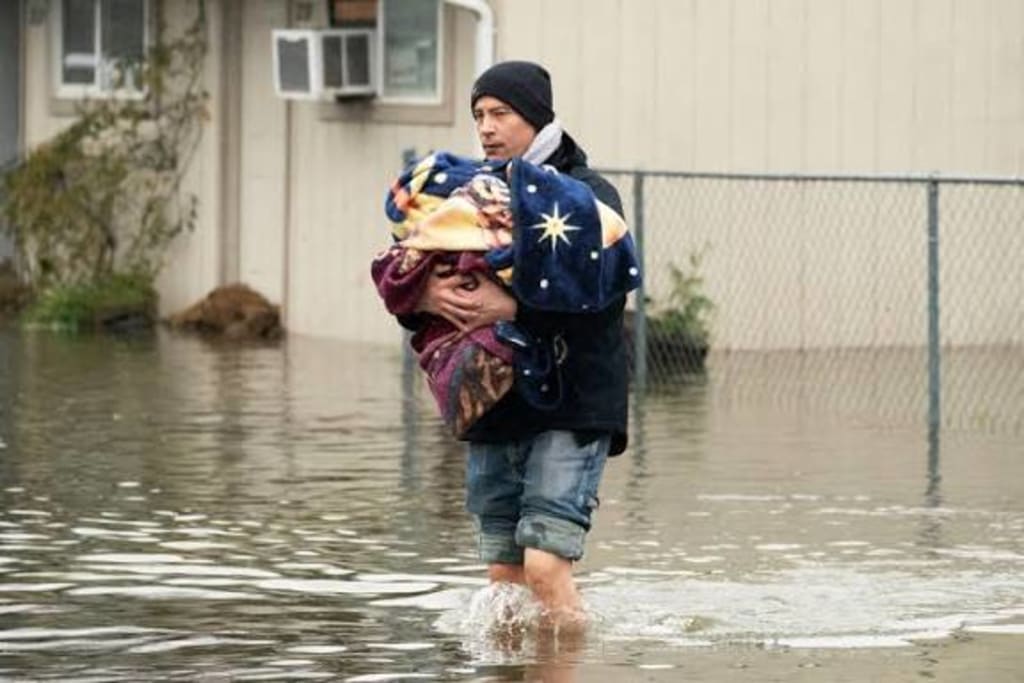
The Pacific Northwest is facing a continuing climate crisis as devastating floods threaten communities across Washington State. Following days of unprecedented rainfall and rising river levels, Governor Jay Inslee declared a state of emergency, mobilizing emergency services and urging residents to remain vigilant as the region braces for further inundation.
The flooding has affected thousands of residents, disrupted transportation networks, and caused widespread property damage. Officials warn that the situation is ongoing, and recovery efforts may take weeks, if not months, to fully stabilize.
Heavy Rainfall and Rising Waters
Meteorologists report that the Pacific Northwest has experienced one of the heaviest rainfall events in decades. Continuous storms have saturated the soil, causing rivers to swell beyond their banks. Major rivers such as the Columbia, Snohomish, and Skagit have reached critical flood stages, forcing evacuations in several counties.
The National Weather Service issued multiple flash flood warnings, and local authorities have been working around the clock to warn communities about rising water levels. In some areas, emergency shelters have been set up to accommodate displaced families, many of whom lost access to electricity, clean water, and safe housing.
Impact on Communities
The floods have had a devastating impact on towns and cities across Washington. Roads and bridges have been washed out, cutting off access to essential services and creating dangerous conditions for first responders. Many homes, particularly those in low-lying areas, have been inundated with water, causing both structural damage and health hazards due to potential contamination.
Local businesses have also suffered losses. Shops, restaurants, and industrial facilities in flood-prone areas are struggling to repair damage and resume operations. The economic toll of the floods is expected to climb in the coming weeks, as communities assess both immediate and long-term impacts.
Government Response
Governor Jay Inslee’s emergency declaration allows the state to mobilize additional resources, including the National Guard, emergency response teams, and disaster relief funding. Officials are coordinating closely with federal agencies, including FEMA, to provide aid to the most severely affected areas.
In a public statement, Governor Inslee emphasized the importance of preparation and cooperation: “Our priority is the safety of our residents. We are deploying every resource available to help communities weather this crisis and recover as quickly as possible.”
Authorities are also urging residents to stay informed through official channels, avoid driving through flooded roads, and follow evacuation orders promptly. Social media updates, emergency alert systems, and community hotlines have been activated to provide real-time information.
Environmental and Climate Considerations
Experts point out that the flooding in the Pacific Northwest is not an isolated phenomenon but part of a broader pattern of climate-related extreme weather events. Scientists have observed that warmer temperatures increase the atmosphere’s capacity to hold moisture, leading to heavier rainfall.
Additionally, deforestation, urban development, and changes to natural waterways have exacerbated the region’s vulnerability to flooding. Environmental analysts argue that stronger infrastructure, improved early-warning systems, and sustainable land management are essential to reducing risk in the long term.
Community Efforts and Solidarity
Despite the challenges, communities across Washington are displaying remarkable resilience and solidarity. Volunteers have been helping to sandbag homes, distribute supplies, and assist the elderly and disabled. Local organizations are coordinating relief efforts, and neighbors are supporting each other to cope with displacement and loss.
Social media platforms have also become vital tools for information sharing, with residents posting updates on safe routes, shelter availability, and assistance programs. Stories of bravery, cooperation, and compassion have highlighted the human spirit in the face of natural disaster.
Looking Ahead
Authorities warn that the flood risk in the Pacific Northwest is far from over. Continued rainfall is expected in the coming days, and river levels remain high. Officials urge residents to stay vigilant, prepare for possible evacuations, and remain in close contact with local emergency services.
Long-term recovery will require significant resources, including rebuilding infrastructure, restoring utilities, and providing financial support to affected families and businesses. Experts stress that climate adaptation measures—such as improved floodplain management, wetland restoration, and resilient construction—will be critical to mitigating future disasters.
Conclusion
The floods in Washington State serve as a stark reminder of the growing threats posed by extreme weather events. The emergency declaration by the state government highlights the severity of the situation and the need for swift action to protect residents. As communities work to recover, the Pacific Northwest faces a challenging period of reconstruction and adaptation, underscoring the importance of preparedness, solidarity, and long-term climate resilience.
About the Creator
Fiaz Ahmed
I am Fiaz Ahmed. I am a passionate writer. I love covering trending topics and breaking news. With a sharp eye for what’s happening around the world, and crafts timely and engaging stories that keep readers informed and updated.
Keep reading
More stories from Fiaz Ahmed and writers in Earth and other communities.
Saudi Aramco Steps Up Gas Push to Meet Surging Electricity Demand
Saudi Arabia, the world’s largest oil exporter, is now turning its sights more aggressively toward natural gas. With domestic electricity consumption rising sharply due to population growth, industrial expansion, and extreme summer temperatures, Saudi Aramco — the kingdom’s state-owned energy powerhouse — has announced an ambitious new phase in its natural gas strategy.
By Fiaz Ahmed 4 months ago in Earth
Oil Market is Volatile Again: What It Means for Global Energy and Traders
Global energy markets are once again at the center of attention after the United States introduced a temporary waiver allowing the purchase of certain Russian oil shipments that were already stranded at sea. The move has sparked intense discussions across financial markets, energy sectors, and geopolitical circles.
By Daniel Reid3 days ago in Earth
The First Rainbow Baby
Pitter-patter, pitter-patter. The rain fell in rhythmic splatters, slowly slowing, but still constant. Mira rolled onto her side pulling the blanket tight against her ears, but still she could hear chitter-chatter and scurrying feet of the creatures that refused to sleep in the lower decks.
By A. J. Schoenfeld3 days ago in Fiction


Comments
There are no comments for this story
Be the first to respond and start the conversation.