
Fascinating Facts About Dinosaurs
Evolution, Adaptations, and Legacy of the Mesozoic Era's Iconic Creatures

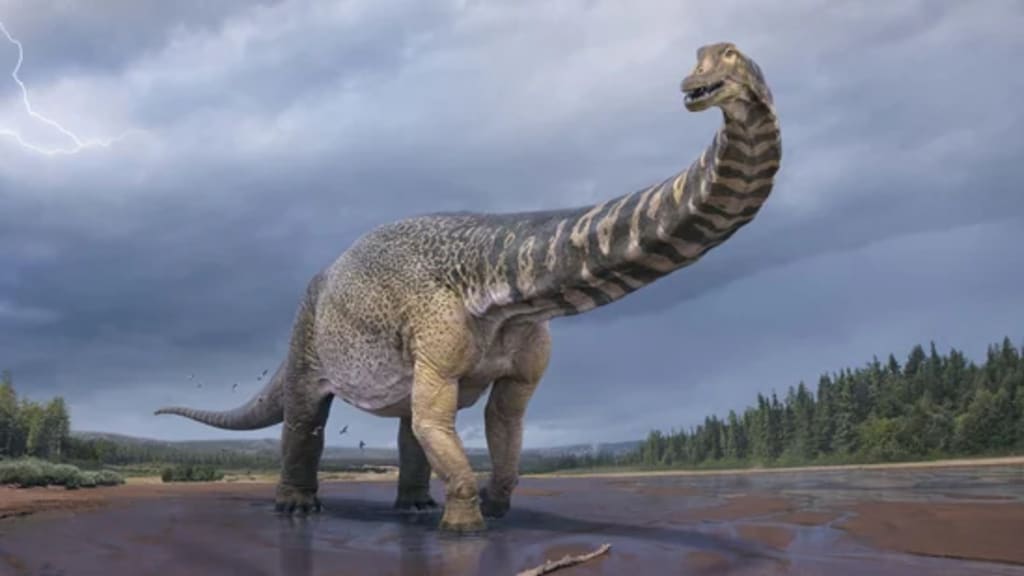
Dinosaurs were a group of reptiles that lived on Earth between 245 and 65 million years ago, during the Mesozoic Era. They were the dominant terrestrial vertebrates for much of this time, and they came in a wide variety of shapes and sizes.
Some of the most well-known dinosaurs include the large, long-necked sauropods like Brachiosaurus and Diplodocus, the armored and spiky Stegosaurus and Ankylosaurus, the ferocious carnivores like Tyrannosaurus rex and Velociraptor, and the bird-like dinosaurs like Archaeopteryx.
Dinosaurs went extinct around 65 million years ago, likely as a result of a catastrophic event, such as an asteroid impact or massive volcanic eruptions. However, their descendants include modern birds, which evolved from small, feathered dinosaurs during the late Jurassic period.
Dinosaurs are classified as members of the group Dinosauria, which is divided into two major groups: the Saurischia (lizard-hipped dinosaurs) and the Ornithischia (bird-hipped dinosaurs).
Saurischian dinosaurs include the aforementioned long-necked sauropods, as well as the theropods, which were bipedal carnivorous dinosaurs that include the famous Tyrannosaurus rex, Velociraptor, and many others. Saurischian dinosaurs are characterized by their elongated pubic bones, which point forward.
Ornithischian dinosaurs include the armored and spiky Stegosaurus and Ankylosaurus, as well as the duck-billed hadrosaurs and many others. Ornithischian dinosaurs are characterized by their backward-facing pubic bones, which are similar in shape to those of modern birds.
Dinosaurs are also known for their unique skeletal features, such as the hollow bones found in many species, as well as their large size. The largest dinosaurs, such as Argentinosaurus and Amphicoelias, are estimated to have weighed more than 100 tons and measured up to 100 feet in length.
The study of dinosaurs is called paleontology, and it involves the examination of fossils to learn more about the biology and behavior of these fascinating creatures. Paleontologists have made many important discoveries about dinosaurs over the years, including the fact that some species were covered in feathers and that many dinosaurs may have been social animals that lived in groups.
Dinosaurs lived during three distinct geological periods within the Mesozoic Era: the Triassic, Jurassic, and Cretaceous periods. During the Triassic period (245 to 201 million years ago), dinosaurs first evolved and diversified, filling many ecological niches. During the Jurassic period (201 to 145 million years ago), dinosaurs continued to thrive and diversify, and some of the largest and most iconic dinosaurs, such as Brachiosaurus and Stegosaurus, lived during this time. The Cretaceous period (145 to 65 million years ago) saw the evolution of even more diverse and specialized dinosaurs, including the famous Tyrannosaurus rex and Triceratops.
The end of the Cretaceous period saw a mass extinction event that wiped out the non-avian dinosaurs, as well as many other species. The exact cause of this extinction event is still a topic of debate among scientists, but many hypotheses suggest that a large asteroid impact, massive volcanic activity, or a combination of factors could have been responsible.
Despite the extinction of non-avian dinosaurs, their legacy lives on in the form of modern birds. Birds evolved from a group of small, feathered dinosaurs called theropods, which lived during the late Jurassic period. Today, birds are found on every continent and are one of the most diverse groups of animals on Earth.
Dinosaurs have captured the imagination of people around the world for generations, and they continue to be a subject of fascination and study for scientists and the general public alike. Many museums and research institutions around the world have extensive collections of dinosaur fossils and conduct ongoing research into these amazing creatures.
Dinosaurs had a wide range of adaptations that allowed them to thrive in diverse environments. Some were herbivores, such as the long-necked sauropods and the duck-billed hadrosaurs, and had specialized teeth and digestive systems for processing plant matter. Others were carnivores, such as the theropods, and had sharp teeth and claws for capturing and killing prey.
Dinosaurs also had unique respiratory systems, which were more efficient than those of other reptiles and allowed them to grow to very large sizes. Many dinosaurs had air sacs in their bodies that were connected to their lungs and helped to pump air through their bodies. Some sauropods, in particular, had extremely long necks and tails that may have helped them to regulate their body temperature or reach high branches to feed.
Another interesting aspect of dinosaur biology is their reproduction. Most dinosaurs laid eggs, which were often buried or covered with vegetation to protect them from predators. Some dinosaurs, such as the horned ceratopsians, may have cared for their young, while others, such as the giant sauropods, likely had no parental care.
The study of dinosaur behavior is a fascinating area of research. Some dinosaurs are believed to have been social animals that lived in groups, such as the duck-billed hadrosaurs, which have been found in large bone beds that suggest they lived and died together. Others, such as the theropod Deinonychus, have been found in groups that appear to have hunted together.
Overall, the study of dinosaurs continues to provide insights into the biology and behavior of these incredible animals, and new discoveries are being made all the time. Advances in technology, such as high-resolution imaging and DNA sequencing, are helping researchers to learn even more about these fascinating creatures and their place in the history of life on Earth.
About the Creator
US Lawmakers Arrive in Copenhagen to Counter Trump’s Greenland Threats
In a high-stakes diplomatic maneuver, a delegation of U.S. lawmakers recently arrived in Copenhagen to discuss Greenland’s future, aiming to counteract the aggressive rhetoric and territorial ambitions expressed by former President Donald Trump. The visit comes amid rising concerns over Greenland’s strategic importance in the Arctic and the implications of any unilateral moves by the United States. For Denmark, Greenland’s autonomous territory, the presence of U.S. lawmakers underscores both Washington’s interest in Arctic security and the need to maintain strong transatlantic ties. For the United States, the visit signals a delicate recalibration of policy following Trump’s controversial proposals regarding Greenland, including his infamous attempt to buy the island outright during his presidency. Why Greenland Matters Geopolitically Greenland is more than a frozen expanse of ice; it is a geopolitical prize. Strategically located between North America and Europe, Greenland is key to: Arctic shipping routes that are becoming increasingly navigable due to melting ice Natural resources, including rare earth minerals, oil, and gas reserves Military and surveillance installations, notably the Thule Air Base, which is critical to U.S. missile warning systems and space surveillance The Arctic region is warming faster than any other part of the planet, making Greenland both a resource hub and a potential flashpoint for international competition. Trump’s proposals had alarmed Denmark and other NATO allies, raising questions about the United States’ long-term commitment to respecting international norms and allied sovereignty. The Lawmakers’ Mission The delegation, composed of senators and representatives from both political parties, is tasked with: Reassuring Denmark that the U.S. government respects Greenland’s autonomy Discussing security cooperation, particularly regarding Arctic defense and NATO commitments Exploring economic partnerships that benefit Greenland while maintaining regional stability Officials emphasize that this visit is not about reversing Trump’s statements retroactively, but about ensuring that future U.S. policy reflects diplomatic consensus rather than unilateral ambition. Denmark’s Response Denmark has maintained a firm stance on Greenland’s sovereignty, consistently stating that the island is not for sale. Danish leaders have welcomed the U.S. delegation as a positive step toward strengthening trust and clarifying intentions. Copenhagen also hopes to use the opportunity to reinforce cooperative approaches to Arctic security, particularly in light of growing Russian and Chinese interest in the region. For Denmark, maintaining strong relations with the United States — while safeguarding Greenland’s autonomy — is a balancing act that requires careful diplomacy. Greenland’s Perspective Greenlanders themselves are increasingly vocal in the debate over their future. Many support greater economic independence and political autonomy, and local leaders insist that Greenlanders should have the final say over any decisions affecting their land and resources. The U.S. delegation’s visit highlights the need to consult Greenlandic authorities directly, rather than negotiating solely with Denmark. This approach is seen as a step toward more inclusive, respectful diplomacy, which acknowledges Greenland’s status as more than just a strategic asset. The Role of NATO and Transatlantic Relations Trump’s proposals regarding Greenland strained transatlantic relations, raising concerns among NATO members about the reliability of U.S. commitments. The arrival of bipartisan lawmakers in Copenhagen aims to reaffirm NATO solidarity and demonstrate that U.S. policy is consistent with alliance obligations. By engaging Denmark directly, Congress seeks to prevent miscommunication and maintain stability in a region that is increasingly vital for global security. Analysts note that Greenland’s location provides the United States with a critical vantage point for Arctic monitoring and missile defense, making cooperative relations essential. Global Implications The Greenland issue has broader consequences for international geopolitics and Arctic governance. Key points include: Resource security: Greenland’s rare earth minerals are essential for electronics, renewable energy, and defense technologies, making control and access highly strategic. Climate change and navigation: Melting ice is opening new shipping lanes, which could shift global trade patterns and increase competition for influence. Power dynamics in the Arctic: Russia and China have also shown growing interest in the Arctic, prompting the United States and Europe to strengthen alliances and prevent unilateral exploitation. The lawmakers’ visit signals to the international community that the U.S. is committed to diplomatic solutions rather than transactional or coercive strategies. Challenges Ahead Despite the visit’s diplomatic intent, challenges remain: Political polarization in the U.S.: Future administrations may have different approaches to Greenland, raising uncertainty about long-term commitments. Geopolitical competition: Russia and China continue to advance their presence in the Arctic, complicating cooperative efforts. Local autonomy: Greenlandic voices must be prioritized, or any policy may face resistance at the local level. Successfully navigating these challenges will require transparent dialogue, careful planning, and sustained international cooperation. The Path Forward The visit of U.S. lawmakers to Copenhagen is a cautionary and corrective measure. It signals that while Greenland is strategically important, it is not a bargaining chip. Future cooperation will likely focus on: Strengthening Arctic security frameworks Promoting economic development for Greenlanders Maintaining stability in U.S.-European relations Ensuring that Greenlandic voices remain central to decision-making This proactive approach reflects a broader understanding that diplomacy, not unilateral action, is essential in regions of high strategic value. Final Thoughts Greenland has moved from the margins of global attention to the forefront of geopolitical strategy and climate concern. The arrival of U.S. lawmakers in Copenhagen underscores the importance of measured, inclusive diplomacy in the Arctic, contrasting sharply with the impulsive rhetoric that characterized Trump’s Greenland proposals. As nations navigate the Arctic’s emerging opportunities and challenges, Greenland’s sovereignty and the voices of its people will remain central to regional stability, global security, and international cooperation. The lawmakers’ visit represents a step toward rebuilding trust, reinforcing alliances, and charting a sustainable path forward for one of the planet’s most strategically vital territories.
By Muhammad Hassan5 days ago in Earth




Comments
There are no comments for this story
Be the first to respond and start the conversation.