
“Extinction Witness: The Grief of Losing a Species”
A certain time ago...


In a quiet corner of Madagascar’s rainforest, Dr. Marie Fontaine stood beneath a towering baobab tree and wept. She held in her hand the last recorded audio of the silky sifaka—a haunting chorus of calls, now ghostly, echoing through her headphones. The primate’s call was once common in this forest. Now, it was only memory.
The silky sifaka was gone. Extinct.
Marie wasn’t a bystander. She had studied these creatures for 12 years, documenting their movements, their family structures, their favorite trees, and their gentle interactions. She watched mothers cradle infants. She saw troops greet one another with warmth. And she witnessed, year by year, their numbers dwindle. Logging. Mining. Fire. Silence.
There is no word quite adequate for the feeling that follows the loss of an entire species. “Grief” comes close—but it's a grief unlike any other. It is not simply the pain of loss. It is the unbearable knowledge that this loss was preventable. That we—humans—were the cause.
The Final Goodbye
When we think of extinction, we often imagine dinosaurs or dodos—creatures of distant pasts. But extinction is not ancient history. It is happening now, quietly and rapidly.
More than 1 million species face extinction in the coming decades, according to the Intergovernmental Science-Policy Platform on Biodiversity and Ecosystem Services (IPBES). For those who spend their lives studying and protecting these creatures, each extinction is personal.
In 2019, the world watched as the last male northern white rhino, Sudan, died in Kenya. As he passed, his caretakers held his massive head and sobbed. These weren’t just zookeepers or veterinarians—they were his family. They had protected him from poachers, nursed him through illness, and walked beside him for years. His death marked the functional extinction of his subspecies.
The emotional toll of such loss is profound. It’s a heartbreak mingled with helplessness, frustration, and sometimes guilt. Scientists, often viewed as objective or clinical, carry deep emotional burdens. They are not detached from their work. Many become caretakers, witnesses, and mourners.
Grieving in Silence
“I was trained to collect data,” says Dr. Fontaine. “No one prepared me for the heartbreak of documenting the end of a species.”
Her story is echoed by many. Field biologists, conservationists, indigenous guides—they all describe similar emotions: sorrow, rage, despair. And yet, this grief is often invisible.
There are few public funerals for extinct species. No candles lit for the Bramble Cay melomys, a tiny rodent from the Great Barrier Reef and the first mammal officially wiped out by climate change. No national day of mourning for the Spix’s macaw, the bird that inspired Rio, which vanished from the wild.
These disappearances happen quietly, as ecosystems unravel. Often, no one even notices—except the people who knew these creatures by name.
The Weight of Witness
To witness extinction is to carry a sorrow that doesn't end. For many conservationists, this emotional toll becomes too heavy. Burnout, depression, and eco-grief are widespread. Some leave the field altogether. Others stay, driven by the desperate hope of saving what remains.
“In the last five years, I’ve lost three species I was actively studying,” says Juan Herrera, a herpetologist in Ecuador. “You feel like you’re holding back a tidal wave with a spoon. And when one goes extinct, it’s like a part of you dies with it.”
Juan still keeps a photograph of the Jambato toad in his wallet. It was once thought extinct but rediscovered in 2016. Juan found it himself. He called it a miracle. But in 2022, a landslide destroyed its habitat. No one has seen one since.
A Global Tragedy, a Personal Loss
The grief of extinction is not limited to scientists. For Indigenous communities, species extinction is a cultural tragedy. Animals are not just biological entities—they are spiritual companions, symbols of identity, and participants in age-old traditions.
In the Arctic, Inuit elders speak of the disappearing caribou with solemn reverence. In the Amazon, tribes mourn the vanishing of birds that once guided their journeys. These losses sever cultural lifelines as much as ecological ones.
Can Grief Lead to Action?
Some believe that grief has the power to transform. That by acknowledging the emotional dimension of extinction, we can inspire deeper empathy—and perhaps, collective change.
In 2023, a group of conservationists created the “Memorial for Lost Species,” a traveling exhibit honoring creatures driven to extinction by human action. With poems, photographs, and eulogies, they give the dead the dignity they deserve.
“We needed to say goodbye,” said one artist. “We needed the world to know that these lives mattered.”
Eco-grief is no longer a silent sorrow. It is becoming a movement. Climate psychologists are now working with environmentalists to process these emotions in healthy, productive ways. Support groups and grief circles are forming, allowing space to mourn and renew.
Holding on to Hope
Amid the grief, there is also resilience. The same people who witness extinction also witness survival. They see species come back from the brink—wolves reintroduced, forests regrown, bees revived.
Hope lives in small victories. In captive breeding programs that give life to a species once thought lost. In children planting trees where there were none. In the heartbeat of a creature scientists had given up on.
Dr. Fontaine, years after saying goodbye to the silky sifaka, now works with local communities to protect other endangered lemurs. “I couldn’t save them,” she says. “But I can try to save the next.”
Her grief, like that of so many others, has become fuel. Not the kind that burns quickly and vanishes, but a steady flame. One that lights the way for the work ahead.
Final Words
To witness the extinction of a species is to carry a wound unlike any other. It is to feel, in your bones, the consequences of human indifference—and the fragility of life on Earth.
Yet even in grief, there is a call: to protect what remains, to honor what was lost, and to never forget that every species matters.
Extinction is final. But love—for a creature, a forest, a planet—is eternal. And sometimes, that love is what saves the next.
Thanks for reading.
About the Creator
Solomon Ebenezer
I am a passionate analyzer
Keep reading
More stories from Solomon Ebenezer and writers in Earth and other communities.
The Mezhevyi Family – Separated by War in Ukraine
When war breaks out, the first victims are often not soldiers, but families—ordinary people forced to navigate extraordinary trauma. The Mezhevyi family of Mariupol, Ukraine, is a heart-wrenching example of how war tears families apart, not just geographically but emotionally. Their story illustrates the brutal effects of the Russian invasion of Ukraine and the undying strength of a father’s love for his children.
By Solomon Ebenezer8 months ago in Families
Homeowners Don’t Want to Move: The Big Deal About Shrinking Backyards
In neighborhoods across the country, a subtle but growing trend is taking root: homeowners aren’t moving, and it’s not just because of the housing market. Many are staying put because their backyards—once spaces for relaxation, gardening, and family fun—are shrinking, either physically due to new development or symbolically as life priorities shift. What may seem like a minor detail—an ordinary backyard—is, for many, a defining feature of home life. Losing it can change how people live, play, and even feel about their communities. This shift has consequences for families, urban planning, and even the way cities are designed. It also sheds light on why homeowners are willing to compromise on size, style, or even location rather than give up their outdoor space. Why Backyards Matter More Than Ever Backyards are more than just patches of grass. They are extensions of our living space, providing: Personal outdoor retreats for reading, gardening, or hosting friends. Safe spaces for children and pets to play. Social hubs for barbecues, birthdays, and neighborhood gatherings. Mental and physical health benefits, including fresh air, sunlight, and exercise. For families who have invested years into landscaping, planting trees, or building decks and patios, the backyard is an emotional asset. Moving to a new home often means losing these personal touches—and many homeowners aren’t willing to take that step. “Backyards are part of our identity,” says Laura Jennings, a landscape designer in suburban Chicago. “People have memories tied to them—first steps, garden harvests, family barbecues. That’s why so many homeowners are staying put, even if it’s tempting to relocate for a bigger house or a better neighborhood.” The Trend of Shrinking Yards Urban densification and suburban development have slowly eaten into traditional backyard space. In many cities, large lots are being replaced with townhomes, duplexes, or small-lot single-family homes. Even in suburban neighborhoods, new constructions often prioritize indoor square footage over outdoor space. The shrinking backyard trend has several effects: Less room for recreation: Families may struggle to fit a swing set, pool, or garden into a smaller yard. Increased desire to stay put: Homeowners prefer maintaining a familiar outdoor space rather than trading it for a slightly larger indoor area. Higher emotional attachment: As yards become more limited, the significance of every tree, patch of grass, or vegetable garden grows. For many, the choice isn’t just about square footage—it’s about quality of life. Homeowners Are Making Trade-Offs As a result, more homeowners are staying in place longer, even if it means: Skipping a bigger kitchen or extra bedroom. Living in a less “trendy” neighborhood. Paying more in maintenance or property taxes to keep a cherished yard intact. Some have embraced innovative backyard solutions to maximize smaller spaces: Vertical gardens and container planting. Multi-functional patios that serve as dining, lounging, and play areas. Creative landscaping, including raised beds, pergolas, and tiny ponds. These adaptations allow homeowners to maintain the sense of space and enjoyment they’ve built over years without relocating. Emotional and Social Dimensions Beyond practical reasons, the backyard has a symbolic meaning. It represents: Continuity and stability: Homeowners see staying put as preserving a lifestyle. Family history: Many yards hold stories—graduations, summer afternoons, first bike rides. Community connection: Long-term residents know neighbors, local schools, and nearby amenities. Moving often means giving up these ties. A survey by the National Association of Home Builders found that over 60% of homeowners aged 35–55 preferred staying in their current homes, citing yard size and outdoor enjoyment as key factors. For these individuals, giving up a backyard is not a small inconvenience—it’s a major life decision. The Impact on Neighborhoods and Cities The trend of staying put also affects broader urban and suburban planning. Fewer homeowners moving means: Less turnover in neighborhoods, which can reduce housing market fluidity. Pressure on developers to include quality outdoor space in new builds. Greater demand for parks and community green spaces, as private yards shrink. Urban planners and developers are noticing the importance of outdoor space in retention and satisfaction metrics. Homes with usable yards, green roofs, or communal gardens often have higher value and attract long-term residents. The Future of Backyard Living As city lots shrink and suburban sprawl continues, homeowners are adapting: Smaller, highly curated gardens instead of sprawling lawns. Multi-functional backyards designed for work, play, and entertainment. Investment in outdoor amenities such as fire pits, decks, or small pools. Some communities are exploring shared backyard concepts, like community gardens and pocket parks, to supplement shrinking private spaces. While these aren’t a complete replacement for personal yards, they provide social and environmental benefits and may encourage homeowners to stay in their homes longer. Conclusion: More Than Grass and Trees Shrinking backyards might seem like a minor design issue, but for homeowners, it’s deeply tied to lifestyle, family life, and personal identity. The reluctance to move is not just a reaction to the housing market; it reflects an emotional, social, and practical connection to outdoor space that indoor square footage alone can’t replace. As urban density grows and lot sizes shrink, the importance of backyards will continue to shape homeowner decisions, neighborhood design, and community dynamics. Families are showing that a yard is not just grass and trees—it’s a place of memory, freedom, and connection. In a world where real estate trends often prioritize indoor luxury, the backyard remains a powerful symbol of home, anchoring families to the places they love—and keeping many from moving at all
By Muhammad Hassana day ago in Earth
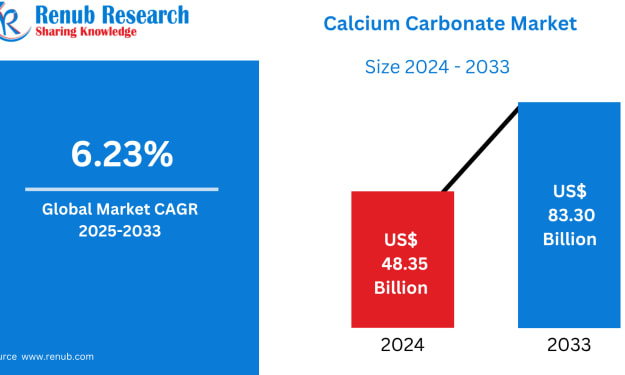
Global Calcium Carbonate Market Size & Forecast 2025–2033
Introduction: A Quiet Giant of Global Industry Calcium carbonate may not be a headline-grabbing material, but it is one of the most indispensable compounds in modern industrial life. Found naturally in limestone, marble, and chalk, this humble mineral underpins everything from the buildings we live in to the paper we write on and the plastics we use every day. Its low cost, wide availability, and remarkable versatility have made it a cornerstone raw material across multiple industries worldwide.
By jaiklin Fanandisha day ago in Earth
Smart phones, Humans and Aliens.
WARNING. I will be tapping into one of your favorite creative tensions: The absurdity of humans worshipping their glowing rectangles as if they were tiny oracles. There’s something deliciously poetic about that contradiction, and it lends itself beautifully to an instructive proviso.
By Novel Allen4 days ago in Poets



Comments (1)
This is so sad. I've seen species decline due to human actions. We gotta do better to protect what's left before it's all gone. It's gut-wrenching to think of all the species disappearing. We need to take real steps to stop this mass extinction.