
Exploring the Rich Cultural Tapestry of Bangladesh
Exploring the Rich Cultural Tapestry of Bangladesh

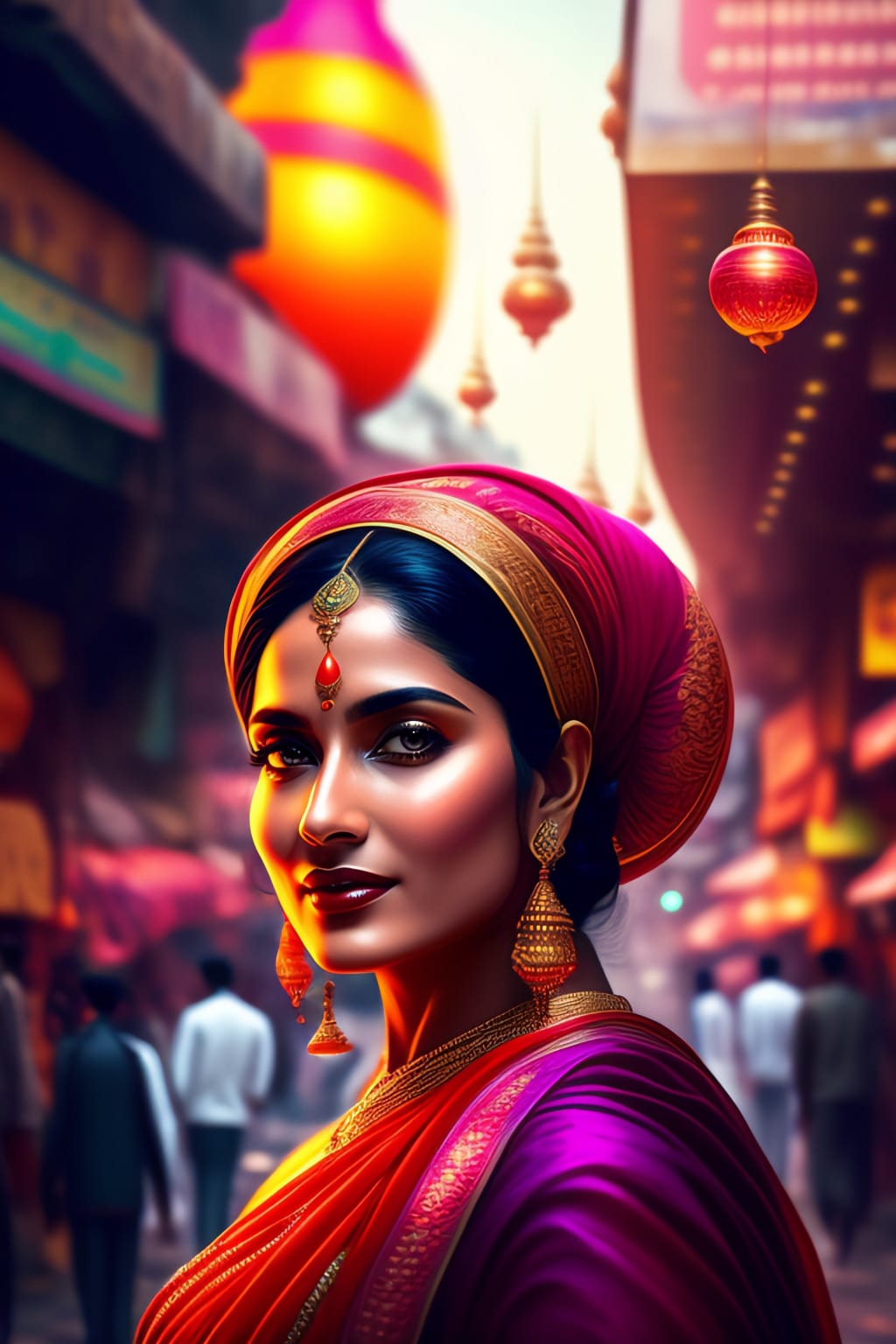
Nestled in the heart of South Asia, Bangladesh is a vibrant country brimming with a rich cultural heritage. Its history dates back thousands of years, and this land has witnessed the rise and fall of mighty civilizations. From its diverse ethnic groups to its captivating festivals and traditions, Bangladesh offers a tapestry of cultural experiences that captivate both locals and visitors alike.
Ethnic Diversity and Harmony
Bangladesh is home to a mosaic of ethnic communities, each with its distinct cultural practices and traditions. The Bengali people, comprising the majority, embrace a blend of ancient traditions and modern influences. The country also harbors indigenous communities such as the Chakma, Garo, and Santal, among others, who contribute to the cultural fabric of Bangladesh. Despite their differences, these communities coexist in harmony, fostering a sense of unity and inclusiveness.
Festivals: Celebrations that Unite
Festivals play a pivotal role in Bangladesh's cultural tapestry, serving as occasions that bring communities together. One of the most significant celebrations is the Bengali New Year or Pohela Boishakh, observed in April. Colorful processions, traditional music, and dance performances mark this joyous festival, symbolizing new beginnings and cultural rejuvenation. Another popular festival is Eid-ul-Fitr, which follows the Islamic holy month of Ramadan. During this time, families come together, exchange gifts, and indulge in delectable traditional delicacies.
Traditional Arts and Crafts
Bangladesh is renowned for its exquisite arts and crafts, which reflect the country's cultural depth. Jamdani, a handloom technique producing intricately woven muslin fabric, is a UNESCO-recognized Intangible Cultural Heritage of Humanity. Terracotta pottery, seen in the historic city of Rajshahi, showcases the skill and craftsmanship of local artisans. Nakshi Kantha, an embroidered quilt, is another traditional craft known for its intricate designs and vibrant colors. These artistic expressions are cherished both within Bangladesh and around the world.
Music and Dance
Music and dance hold a special place in Bangladeshi culture. Baul, a mystical genre of folk music, captures the essence of spirituality and love. The traditional dance form, known as Manipuri, tells stories through graceful movements and colorful costumes. Lalon Geeti, a blend of music and poetry by the revered mystic poet Lalon Shah, is treasured for its philosophical depth. Modern music has also found a place in Bangladesh, with the emergence of popular genres like Bangla pop and rock, which resonate with the younger generation.
Cuisine: A Gastronomic Adventure:
Bangladeshi cuisine is a delightful fusion of flavors, reflecting the country's historical influences and regional diversity. Staple dishes include rice, lentils, fish, and a variety of vegetables, infused with aromatic spices. Must-try dishes include biryani, a fragrant rice dish, and hilsa fish curry, a delicacy savored during special occasions. Sweets like roshogolla and mishti doi tantalize taste buds with their sweetness. Street food, such as fuchka (a type of savory snack) and jhalmuri (spiced puffed rice), adds to the culinary charm of Bangladesh.
Bangladesh's cultural tapestry is a testament to its rich history and diverse heritage. The country's vibrant festivals, traditional arts and crafts, mesmerizing music and dance, and delectable cuisine all contribute to its unique identity.
The warmth and hospitality of the Bangladeshi people are an integral part of their culture. Visitors to Bangladesh often remark on the genuine kindness and generosity extended to them by the locals. It is common for guests to be welcomed with open arms and treated to delicious homemade meals, showcasing the country's strong sense of community and togetherness.
Religion plays a significant role in Bangladeshi culture, with Islam being the predominant faith. Mosques, temples, and churches dot the landscape, serving as places of worship and reflection. Religious festivals like Durga Puja, celebrated by the Hindu community, and Muharram, observed by Muslims, add further diversity and color to the cultural calendar.
The language of Bangladesh, Bangla, holds immense importance and is an essential part of the nation's cultural identity. The works of Nobel Laureate Rabindranath Tagore, the national poet, have deeply influenced Bangladeshi literature, music, and arts, leaving an indelible mark on the cultural landscape.
In recent years, Bangladesh's film industry, known as Dhallywood, has gained recognition both domestically and internationally. It has produced critically acclaimed movies that portray the diverse facets of Bangladeshi society and culture.
In conclusion, Bangladesh's cultural tapestry is a vibrant mosaic woven with diversity, traditions, and resilience. From its ethnic harmony and festive celebrations to its traditional arts, music, and cuisine, this country offers an immersive cultural experience. Bangladesh embraces its heritage while embracing modern influences, creating a harmonious blend that captivates the hearts of its people and leaves a lasting impression on those fortunate enough to explore its cultural riches
About the Creator
BUSHRA TANVIR
I am a poetess and article writer
Keep reading
More stories from BUSHRA TANVIR and writers in Earth and other communities.
LIFE ON PLANET MARS
For decades, scientists and science fiction writers alike have been fascinated by the possibility of life on Mars. Although Mars may not have the lush greenery and abundant water of Earth, recent discoveries have revealed that the red planet may have the potential for microbial life.
By BUSHRA TANVIR3 years ago in Earth
Astonishing Snow Leopard Hunt Filmed in Pakistan’s Remote Mountains
High in the jagged peaks of northern Pakistan, where icy winds carve through barren rock and human presence is scarce, a rare and astonishing moment has been captured on camera: a snow leopard executing a powerful hunt in the wild. The footage, filmed in Pakistan’s remote mountainous regions, has stunned wildlife experts, conservationists, and nature lovers around the world. More than just a dramatic spectacle, the video offers a rare window into the secretive life of one of Earth’s most elusive big cats.
By Fiaz Ahmed Brohiabout 17 hours ago in Earth
Wild Card Weekend Recap: What Happens Now?
I think I figured out why I love Wild Card Weekend so much. It's because it's the first playoff anything of the calendar year. The NFL season starts in the fall, and once upon a time, the champion was crowned either on or slightly before New Year's. The evolution of the NFL schedule has resulted in the playoffs starting just into the New Year, and currently, the final week of the season falls on the first weekend of the New Year, with Wild Card Weekend coming a week after that. So yes, chronologically, the NFL's Wild Card Weekend serves as the first playoff anything of the calendar year.
By Clyde E. Dawkins6 days ago in Unbalanced




Comments
There are no comments for this story
Be the first to respond and start the conversation.