
Exploring the Impending Climate Crisis and the Global Implications of El Nino
The Rising Threat of El Nino: Implications and Preparedness for the Climate Crisis


As the Earth continues to experience a steady increase in temperatures, the implications of climate change are becoming more apparent. In the past decade alone, we have witnessed the hottest years ever recorded, driven by the continuous emission of greenhouse gases. Adding to this alarming trend, climate models now predict that 2023 and 2024 will surpass all previous records, making them the hottest years in history. Compounding this issue is the looming return of El Nino, a climatic phenomenon known to disrupt weather patterns globally. In this article, we delve into the implications of these impending warm years and shed light on how we can better prepare for the challenges they bring.
The Nature of El Nino
El Nino is a natural climatic event that occurs every few years, resulting in significant deviations from the equatorial Pacific Ocean's normal temperature range. This phenomenon acts as a primary driver of year-to-year weather variations in many regions worldwide. During an El Nino event, the prevailing winds weaken, allowing warm water to accumulate in the eastern Pacific. This leads to elevated surface ocean temperatures, ultimately contributing to a rise in global temperatures. The impacts of El Nino extend beyond temperature changes, influencing weather conditions in diverse parts of the world.
Implications of El Nino and Climate Change
The convergence of El Nino with the escalating climate crisis poses grave consequences for various countries and regions. Predictions indicate that the United States, Australia, and Indonesia will bear the brunt of these severe effects, including scorching heatwaves, devastating wildfires, and disease outbreaks. El Nino's influence, combined with the long-term warming trend, could push global temperatures to unprecedented levels, potentially exceeding the critical 1.5 degrees Celsius threshold set by the Paris Agreement. Consequently, the world must brace itself for intensified heatwaves, prolonged hot seasons, and more powerful storms.
Regional Impact
Different parts of the world will experience distinct consequences as El Nino unfolds. Australia, for example, will face hotter and drier conditions, exacerbating droughts and wildfires. Given the country's vulnerability to climate change, it is particularly susceptible to the effects of El Nino. On the other hand, Colombia may experience a rise in temperature and a decrease in precipitation, leading to outbreaks of insect-borne diseases such as malaria and dengue fever. Moreover, the Amazon rainforest and other tropical forests in Africa, India, and Australia will witness reduced vegetation growth, impacting carbon absorption and further contributing to climate change.
Global Ramifications
El Nino's influence extends far beyond local regions, affecting weather patterns worldwide. In Europe, it can result in colder and drier winters in the north and wetter winters in the south. Spain may experience increased rainfall, while the eastern seaboard of the United States could face drier conditions during subsequent winter and spring seasons. Northern Europe, in particular, is likely to experience harsher winters with decreased precipitation. Furthermore, marine life along the Pacific coast will be endangered, with disruptions in the upwelling process, reduced food supply for fish, and heightened risks for coral reefs.
The convergence of El Nino and the escalating climate crisis presents a formidable challenge for the world. The impending warm years of 2023 and 2024, coupled with El Nino's disruptive influence, demand heightened preparedness from governments, emergency services, and individuals. It is essential to understand the intricate climate system and leverage scientific advancements to anticipate and mitigate the adverse impacts. As the globe continues to heat up, regions must adapt by making informed decisions regarding crop selection and emergency response strategies. While the future behavior of El Nino remains uncertain, it is crucial to prioritize long-term adaptation efforts to mitigate the effects of climate change and safeguard our planet for future generations.
About the Creator
Chela Kikwai
Passionate about climate action and sustainability, I raise awareness and promote climate education through my articles. Read, Learn, Follow, Tip and Share
Keep reading
More stories from Chela Kikwai and writers in Earth and other communities.
Combating Desertification, Land Degradation, and Drought
Desertification, land degradation, and drought are critical environmental issues that pose immense challenges to ecosystems and human well-being. These interconnected problems have wide-ranging consequences, including food and water shortages, economic instability, and social unrest. To address these challenges effectively, it is crucial to understand their causes, grasp their impacts, explore sustainable solutions, and emphasize the importance of international cooperation. This article delves into the intricacies of desertification, land degradation, and drought, while proposing potential strategies to combat them.
By Chela Kikwai3 years ago in Earth
Live Updates: Trump Promotes Gaza Plan and Meets With Zelensky at Davos
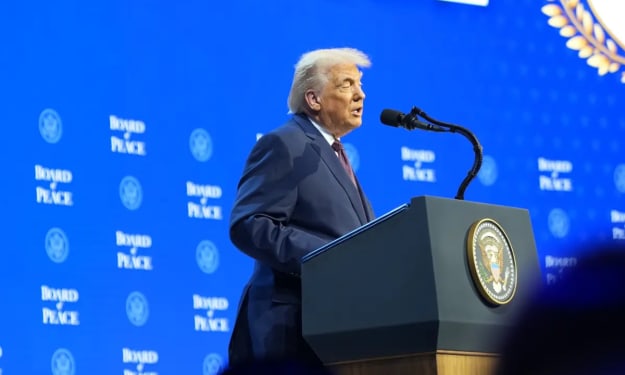
Former U.S. President Donald Trump is making headlines at the annual World Economic Forum in Davos, Switzerland, by promoting his latest plan for Gaza and holding a high-profile meeting with Ukrainian President Volodymyr Zelensky. The developments have captured global attention, highlighting Trump’s continued influence on international diplomacy and Middle East affairs.
By Muhammad Hassan3 days ago in Earth
Queen Elizabeth II Memorial Statue to Stand Tall
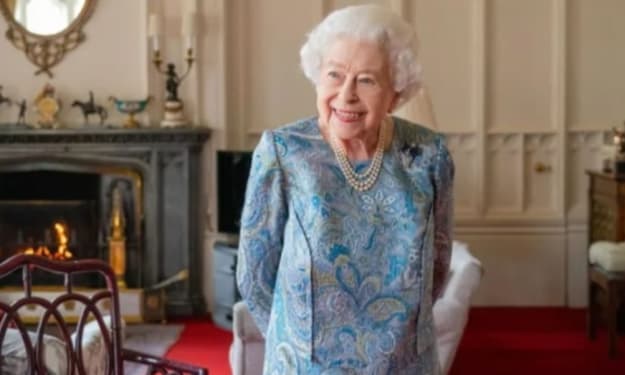
The announcement of a memorial statue honoring Queen Elizabeth II has stirred deep emotions across the United Kingdom and beyond. More than a tribute to Britain’s longest-reigning monarch, the statue is intended to stand as a powerful symbol of continuity, national identity, and collective memory in a country navigating change at home and uncertainty abroad. For many, Queen Elizabeth II represented stability in a rapidly evolving world. Her image was woven into daily life — from coins and stamps to historic speeches during moments of crisis. As plans for her memorial statue move forward, the project reflects not just remembrance, but a broader conversation about what the monarchy has meant, and continues to mean, to modern Britain. Remembering a Monarch Who Defined an Era Queen Elizabeth II ascended the throne in 1952, inheriting a post-war nation still rebuilding from devastation. Over the next seven decades, she witnessed profound transformations: the end of empire, the Cold War, the digital revolution, and dramatic political shifts both within the UK and across the Commonwealth. Unlike many public figures, her influence was subtle rather than outspoken. She reigned, but did not rule — offering a constant presence while governments, prime ministers, and global alliances rose and fell. That quiet endurance is precisely what many supporters hope the memorial statue will capture. The statue is envisioned as a dignified and timeless representation, emphasizing service over spectacle. Organizers say the aim is not grandeur for its own sake, but respect rooted in restraint, echoing the Queen’s own approach to public life. A Memorial Beyond Stone and Bronze Public memorials often say as much about the present as they do about the past. In this case, the Queen Elizabeth II memorial statue is arriving at a moment when questions of identity, unity, and tradition are being actively debated across British society. Supporters argue that the statue will serve as a shared national reference point, offering a space for reflection that transcends politics. In a fragmented media environment and polarized public sphere, symbols that bring people together are increasingly rare. The memorial is also expected to attract visitors from around the world. As a figure recognized globally, Queen Elizabeth II remains one of the most familiar faces of the 20th and early 21st centuries. For tourists and citizens alike, the statue may become a focal point for understanding Britain’s constitutional monarchy and its evolving role. Design, Location, and Symbolism While final design details are still under consideration, early proposals suggest a statue that emphasizes calm authority rather than dramatic posture. Sculptors and planners involved in the project have spoken about portraying the Queen during a defining period of her reign, reflecting dignity, duty, and composure. The location of the statue is equally significant. Placing it within a historic or civic space would embed the memorial into the everyday rhythm of national life. Rather than isolating it as a distant monument, planners aim for accessibility — a place where people can pause, gather, and reflect. Symbolism will play a crucial role. From the Queen’s attire to her stance, every detail will communicate values she embodied: service, continuity, and responsibility. Even subtle elements — such as surrounding landscaping or inscriptions — are expected to reinforce themes of unity and legacy. Public Opinion and Debate As with any national memorial, the project has sparked discussion. While many welcome the statue as a fitting tribute, others question how the monarchy should be represented in the 21st century. Critics argue that Britain must balance respect for tradition with an honest reflection on history, including the complexities of empire and colonialism. These debates are not unique to this memorial. Across the world, societies are reassessing monuments and public symbols, weighing historical significance against contemporary values. In that context, the Queen Elizabeth II statue becomes part of a wider cultural conversation about remembrance and representation. Supporters counter that acknowledging complexity does not negate the importance of honoring service. They point out that Queen Elizabeth II herself navigated these evolving conversations with caution and sensitivity, often adapting royal traditions to changing expectations. A Legacy Passed to the Future Perhaps the most powerful aspect of the memorial lies in its long-term purpose. For future generations who never witnessed Queen Elizabeth II’s reign firsthand, the statue will serve as an entry point into history. Children growing up decades from now may learn about her not through headlines or broadcasts, but through school trips, family visits, and moments of quiet curiosity. In that sense, the memorial is not only about looking back — it is about preserving memory forward. As Britain continues to redefine its place in the world, symbols of continuity take on renewed importance. The Queen Elizabeth II memorial statue is expected to stand as a reminder that institutions endure not through power alone, but through trust, service, and shared values. Conclusion The planned Queen Elizabeth II memorial statue is more than a physical structure. It is a statement about remembrance, respect, and national identity at a pivotal moment in British history. By honoring a monarch whose reign spanned generations, the memorial seeks to bridge past and present, tradition and change. Whether viewed as a tribute, a tourist landmark, or a place of reflection, the statue will stand tall as a reminder of a life devoted to service — and of a nation’s ongoing relationship with its history.
By Muhammad Hassan2 days ago in Earth


Comments
There are no comments for this story
Be the first to respond and start the conversation.