
EPR Registration Certificate | Process | Documents | Fees
EPR certificate for customs - an important authorization introduced by CPCB to prevent, control, and abate pollution.
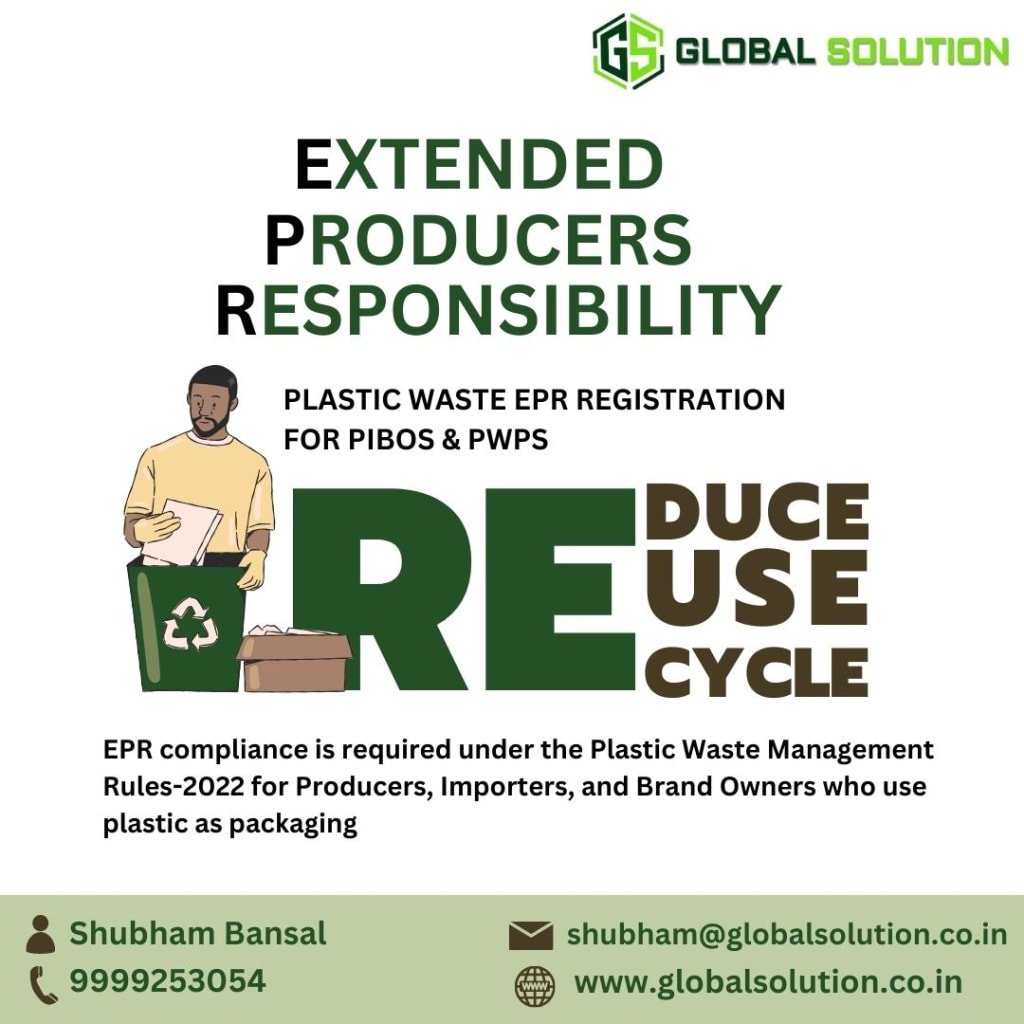
Extended Producer Responsibility (EPR) registration is a critical aspect of waste management policies in many countries. It holds producers, manufacturers, and importers responsible for the end-of-life management of their products, including their recycling or proper disposal. The EPR registration process, required documents, and fees can vary depending on the specific EPR program and the country or region where the registration is sought. Below is a comprehensive guide to EPR registration, outlining the typical process, necessary documents, and associated fees.
Process of EPR Registration:
Research and Understand EPR Regulations: The first step in the EPR registration process is to thoroughly research and comprehend the EPR regulations in the country or region where the business operates. EPR regulations may vary, and it is crucial to be aware of the specific obligations, product categories covered, and timelines for compliance.
Identify Applicability and Obligations: Determine whether your business falls under the scope of EPR regulations. Certain product categories, such as electronics, batteries, packaging materials, plastics, or tires, are commonly covered by EPR programs. Assess the obligations you need to fulfill as a producer or importer of the targeted products.
Contact the Regulatory Authority: Reach out to the designated environmental or waste management authority responsible for EPR implementation. The regulatory authority will provide guidance on the registration process, the required documents, and any specific prerequisites for compliance.
Prepare Required Documents: Assemble all the necessary documents for EPR registration. The documents required may vary depending on the country, the product category, and the scope of the EPR program. Commonly requested documents include:
Business Registration Documents: This includes certificates of incorporation, trade licenses, and tax identification numbers, which establish the legal identity of the business.
Product Information: Provide detailed descriptions, specifications, and quantities of the products that fall under the EPR program's scope.
Waste Management Plan: Outline how you intend to manage and recycle the post-consumer waste generated from your products.
Financial Statements: Some EPR programs may require evidence of financial capacity to fulfill the obligations related to waste management.
Environmental Impact Assessment (EIA): In some cases, a detailed assessment of the environmental impact of the products may be necessary.
Other Specific Documents: Depending on the EPR program and the country's regulations, additional documents may be required to demonstrate compliance.
Submit Application and Documents: Prepare the application for EPR registration and submit it, along with all the required documents, to the regulatory authority. Follow the application submission guidelines provided by the authority.
Comply with Reporting Obligations: After obtaining EPR registration, ensure that you comply with ongoing reporting requirements. This may include providing regular reports on the quantities of products produced or imported, waste generated, and recycling data. Accurate record-keeping is essential for reporting purposes.
EPR Registration Fees:
The fees associated with EPR registration can vary based on several factors, including the product category, the scope of the EPR program, and the scale of the business operations. EPR fees are typically used to support waste management and recycling initiatives, including the establishment of collection systems and recycling infrastructure.
The specific EPR registration fees are determined by the regulatory authority in each country or region. The authority may take into account factors such as the environmental impact of the products, the expected waste generated, and the financial resources required for effective waste management.
It is important to note that EPR fees are subject to periodic review and adjustment by the regulatory authorities. As such, businesses should be aware of any updates or changes in the fee structure communicated by the relevant authorities.
Conclusion:
EPR registration is a crucial step for importers and producers to fulfill their responsibility for proper waste management and recycling. The process involves understanding and complying with EPR regulations, submitting the required documents to the regulatory authority, and adhering to reporting obligations. EPR registration fees contribute to supporting sustainable waste management practices and recycling initiatives.
For a successful EPR registration, importers and producers should stay informed about the latest EPR regulations in their respective countries or regions, seek guidance from environmental consultants or legal experts when needed, and actively participate in the implementation of effective waste management and recycling systems. By fulfilling EPR obligations, businesses can contribute to environmental sustainability and promote a circular economy for a greener future.
About the Creator
Keep reading
More stories from writers in Earth and other communities.
Officially confirmed : heavy snow begins late tonight as weather alerts warn of major disruptions, travel chaos, and dangerous conditions
Meteorological authorities have officially confirmed that a powerful winter storm will begin bringing heavy snowfall late tonight, prompting widespread weather alerts and warnings of major disruption across several regions. Forecasters say the system is expected to intensify rapidly overnight, creating hazardous travel conditions, possible power outages, and significant delays to public transportation. The national weather service issued multiple advisories on Tuesday afternoon, urging residents to prepare for what could be one of the most disruptive snow events of the season. Snowfall rates of up to two inches per hour are possible in some areas, accompanied by strong winds that could lead to blizzard-like conditions. Storm System Strengthens Overnight According to meteorologists, the storm system is moving in from the northwest and will collide with a mass of cold air already settled over much of the region. This combination is expected to produce heavy, wet snow in lower elevations and lighter, powdery snowfall in higher areas. “The timing is particularly concerning because the heaviest snow is expected during the overnight and early morning hours,” said a senior forecaster. “That increases the risk of accidents during the morning commute and makes road treatment more difficult.” Snow is forecast to begin shortly before midnight, with accumulation accelerating through the early morning. Some regions could see between 8 and 14 inches of snow by midday tomorrow, while mountain communities may receive significantly more. Travel Disruptions and Road Closures Expected Transportation officials have warned that highways, secondary roads, and rural routes could become impassable. Snowplows and salt trucks have been placed on standby, and emergency response teams are preparing for a high volume of calls. Major airports have already announced the possibility of flight delays and cancellations, advising passengers to check their schedules before heading to terminals. Rail operators are also preparing for service disruptions due to icy tracks and reduced visibility. “Even well-treated roads can become dangerous very quickly under this kind of snowfall,” said a spokesperson for the transport authority. “We strongly recommend avoiding non-essential travel until conditions improve.” Local police departments are urging drivers to carry emergency kits, including blankets, food, and flashlights, in case vehicles become stranded. Schools and Businesses Prepare for Closures Several school districts have indicated that remote learning or delayed openings may be announced depending on overnight conditions. Universities and government offices are reviewing contingency plans as the storm approaches. Businesses in heavily affected areas are preparing for reduced staffing and possible temporary closures. Grocery stores reported increased demand for bread, milk, batteries, and heating supplies as residents stocked up in advance of the storm. “We saw a rush this afternoon,” said one store manager. “People remember what happened during the last storm and don’t want to be caught unprepared.” Risk of Power Outages Utility companies are warning that the combination of heavy snow and gusty winds could bring down power lines and tree branches. Crews have been placed on emergency schedules to respond quickly to outages. The risk is especially high in areas where snow is expected to be wet and heavy, placing additional strain on infrastructure. “We’re ready to respond, but restoration times may be longer if roads are blocked or visibility is poor,” a utility company statement said. Residents are being advised to charge electronic devices, prepare alternative heating options if safe, and keep flashlights and batteries accessible. Emergency Services on High Alert Hospitals and emergency responders are bracing for an increase in weather-related injuries, including slips and falls, car accidents, and exposure-related health issues. Officials are reminding people to check on elderly neighbors and those with medical conditions who may need assistance. Homeless shelters have expanded capacity in several cities to accommodate those seeking refuge from the cold. “This storm is not just an inconvenience—it can be life-threatening if people underestimate it,” said a spokesperson from the emergency management agency. Weather Alerts Remain in Effect Weather alerts will remain in place through tomorrow afternoon, with additional updates expected as the storm’s path becomes clearer. Forecasters caution that conditions could change rapidly and that snowfall totals may increase if the storm slows or intensifies further. Temperatures are expected to remain below freezing for much of the day tomorrow, increasing the risk of ice formation once the snow begins to melt and refreeze overnight. A Call for Caution Authorities are emphasizing preparation and patience. Residents are encouraged to stay indoors if possible, avoid unnecessary travel, and follow official guidance. “This is the kind of storm where small decisions can have big consequences,” said one emergency official. “If you don’t need to be on the roads, stay home.” While winter storms are not unusual, the scale and timing of this system have raised concerns about its potential impact on daily life. With heavy snow beginning late tonight, communities are bracing for a challenging day ahead. As crews prepare to clear roads and restore services, officials stress that public cooperation will be critical. The coming hours will test both infrastructure and individual readiness, with safety depending on careful planning and respect for the severity of the conditions. For now, the message from authorities is clear: prepare immediately, remain alert, and take the storm seriously.
By Fiaz Ahmed 3 days ago in Earth
Billie Eilish Passes Adele And Bruno Mars With Her New Grammy Win
Billie Eilish has once again made music history, reportedly surpassing major global artists Adele and Bruno Mars in Grammy-related achievements with her latest award win. The milestone highlights Eilish’s continued dominance in the global music industry and reinforces her position as one of the most influential artists of her generation.
By Aarif Lashari4 days ago in Earth
Living in SillyVille, U.S.A.
U.S. President Donald Trump speaks at a ceremony held to dedicate a 4-mile stretch of road from West Palm Beach Airport to his Mar-a-Lago estate to be named as 'President Donald J. Trump Boulevard', at the Mar-a-Lago estate in Palm Beach, Florida, U.S., January 16, 2026. REUTERS/Kevin Lamarque.
By Novel Allen6 days ago in Poets


Comments
There are no comments for this story
Be the first to respond and start the conversation.