
Environmental Impact: The Human Footprint and the Fight for a Sustainable Planet
Exploring the Causes, Consequences, and Solutions to Humanity’s Growing Ecological Footprint


Environmental Impact: Grasping the Shifts in Our Planet's Ecosystem
Introduction
The phrase "environmental impact" refers to the influence that human actions exert on the natural environment. This encompasses a wide range of issues, including deforestation, air quality deterioration, climate change, and the decline of biodiversity. As the global population increases and industrial activities expand, it becomes essential to comprehend the environmental repercussions of our behaviors. This article examines the different dimensions of environmental impact, focusing on the underlying causes, resulting effects, potential solutions, and the worldwide initiatives aimed at safeguarding and rejuvenating our planet.
1. The Human Influence on the Environment
Since the onset of the Industrial Revolution, human endeavors have significantly reshaped the Earth. Urban sprawl, agricultural expansion, mining operations, and transportation networks have all disrupted natural ecosystems. Notable indicators of this human influence include:
Deforestation and the degradation of land
Contamination of water and air
Acidification of oceans
Emissions of greenhouse gases
Pollution from plastics

2. Climate Change and Its Consequences
Among the various environmental challenges, climate change stands out as one of the most urgent. Fueled by greenhouse gases such as carbon dioxide and methane, the planet's temperature is on the rise. The repercussions of this phenomenon include:
Increasing sea levels
More frequent and severe weather events
Melting of polar ice caps
Alterations in precipitation patterns
Disruption of natural habitats
Biodiversity plays a crucial role in maintaining the resilience of ecosystems. Unfortunately, factors such as habitat destruction, pollution, and climate change have resulted in a concerning decline in various species. Notable indicators of this crisis include the ongoing sixth mass extinction, the alarming bleaching of coral reefs, the decreasing populations of pollinators, and the loss of forests and wetlands.
Pollution manifests in several ways, each with significant repercussions. Air pollution leads to respiratory issues and exacerbates climate change, while water pollution contaminates drinking water sources and poses threats to marine ecosystems. Soil pollution undermines the quality of agricultural land, and both noise and light pollution negatively impact human health and disrupt animal behaviors.
Contemporary lifestyles contribute to substantial waste generation, evident in the prevalence of plastic pollution in oceans, overflowing landfills, and the accumulation of electronic waste and hazardous materials. To address these challenges, it is vital to promote sustainable consumption practices, enhance recycling efforts, and develop circular economies.

Natural Resource Depletion
The resources on our planet are limited, yet we're consuming them at an ever-increasing pace. This includes issues like overfishing, the extraction of fossil fuels, and deforestation for both timber and agricultural purposes. To keep our ecosystems in balance, it's essential to focus on conserving these resources.
Urbanization and Its Impact
As cities grow, they become hubs of human activity, which leads to a rise in energy consumption, traffic congestion, and air pollution. Additionally, urban areas often create heat islands and result in the loss of green spaces. To tackle these challenges, we need smart city planning and the implementation of green infrastructure.
Agriculture and Environmental Degradation
Industrial farming practices are a significant factor in environmental harm, causing soil erosion, excessive water use, pesticide contamination, and emissions from livestock. Embracing sustainable farming methods and agroecology can provide effective alternatives to these damaging practices.
Energy Production and Emissions
The global energy landscape is largely dominated by fossil fuels, which release harmful greenhouse gases into the atmosphere. It's crucial to shift towards renewable energy sources such as solar, wind, and hydropower to lessen our environmental footprint.

Oceans Under Threat
Our oceans play a vital role in absorbing much of the carbon dioxide and heat generated by human activities. However, they are facing serious threats, including ocean acidification, coral bleaching, overfishing, and plastic pollution. Establishing marine protected areas and fostering international collaboration are essential strategies for conservation.
Indigenous Knowledge and Conservation
Indigenous peoples often hold extensive ecological insights that can greatly enhance conservation efforts. By safeguarding their rights and actively involving them in conservation initiatives, we can achieve more effective and ethically sound results.
Environmental Justice and Inequality
Environmental degradation tends to hit low-income and marginalized communities the hardest. These groups face significant challenges, such as a lack of access to clean water, higher exposure to pollutants, and increased vulnerability to climate change. Therefore, it is crucial to prioritize equity and justice in all environmental solutions.
Global Efforts and Policy Responses
Key international agreements play a vital role in addressing environmental issues, including the Paris Agreement on climate change, the Convention on Biological Diversity, and the Sustainable Development Goals (SDGs). Additionally, national policies and local initiatives are essential components of the overall response to these challenges.

Green Innovation and Technology
Advancements in technology are proving beneficial in reducing environmental impacts. Innovations such as electric vehicles, green building designs, carbon capture and storage systems, and artificial intelligence for environmental monitoring are paving the way for a more sustainable future. Investing in these green technologies is critical for achieving long-term sustainability.
The Role of Individuals and Communities
Individual and community actions can significantly contribute to environmental change. Simple steps like reducing meat consumption, utilizing public transportation, supporting local and sustainable products, and engaging in environmental activism can collectively make a meaningful impact.
The influence of human actions on the environment is extensive and intricate, affecting all corners of the Earth. However, by embracing innovation, fostering collaboration, and adopting sustainable practices, we can lessen these impacts and pave the way for a more sustainable future. Raising awareness and taking action—across all sectors—are our strongest assets in the quest to protect the environment.

About the Creator
MD Bayzid
ASSALAMUALIKUM. Information is the most powerful weapon in the hole world. So gather true an essential information to progress in life.
China’s Ambitious Satellite Plan: 200,000 Satellites and Counting
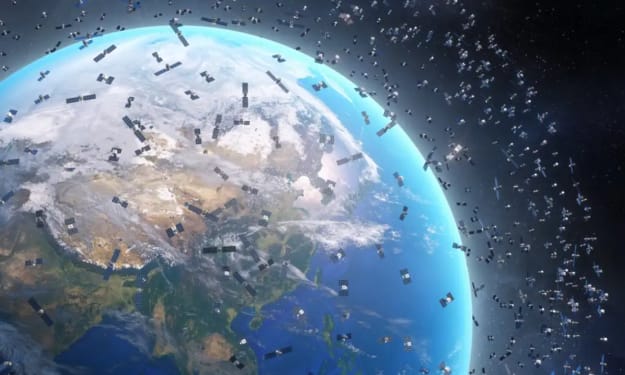
China has submitted an astonishing application to the International Telecommunication Union (ITU) to launch 200,000 satellites over the coming years. To put this into perspective, the entire world currently operates far fewer than this number. Even SpaceX’s Starlink project, one of the largest satellite networks globally, has plans for around 42,000 satellites. China’s proposal signals an unprecedented escalation in space activity and raises important questions: what are these satellites for, and what implications do they hold for global technology, security, and the environment? The Purpose Behind the Numbers At first glance, launching 200,000 satellites may seem excessive, but China’s goals are strategic and multifaceted. Experts suggest that these satellites could serve several purposes: 1. Global Internet Coverage China is aiming to build a massive low-Earth orbit (LEO) satellite network, similar to Starlink and OneWeb. By positioning thousands of satellites closer to Earth, they can provide high-speed internet to remote regions, rural areas, and even ships or aircraft in the oceans. This could help China expand its digital influence globally, offering connectivity in areas where traditional internet infrastructure is weak or non-existent. 2. Enhanced Military and Surveillance Capabilities A satellite network of this scale is also a game-changer for defense and surveillance. Satellites can monitor troop movements, track ships, and provide early warning systems. China’s military has been investing heavily in space-based technology, and these satellites could be a crucial part of modernizing its intelligence, surveillance, and reconnaissance (ISR) capabilities. 3. Scientific Research and Earth Observation Some of these satellites may be dedicated to Earth observation, collecting data on climate, agriculture, natural disasters, and urban development. With thousands of satellites constantly orbiting the planet, China could achieve near real-time monitoring of environmental changes and resource management, giving scientists and policymakers an unprecedented level of insight. 4. Competition in the Commercial Space Sector China’s plan is not purely for government use. The commercial potential of satellite networks is massive, from providing satellite internet services to supporting the burgeoning space economy. Companies under Chinese state and private ownership could leverage this infrastructure to offer services domestically and internationally, challenging Western tech giants in global space markets. The Scale of the Ambition Launching 200,000 satellites is not just ambitious; it’s historic. If approved and executed, China would operate more satellites than all other countries combined, fundamentally reshaping how space is utilized. However, there are serious logistical challenges. Manufacturing, launching, and maintaining hundreds of thousands of satellites requires enormous resources, advanced technology, and careful orbital planning to avoid collisions. China has made major progress in its space launch capacity, with frequent missions through the Long March rocket family and ongoing developments at the Wenchang and Jiuquan Spaceports. Yet, sustaining such a colossal fleet will test even the most advanced space programs. Global Implications The potential consequences of China’s satellite plan are profound, both technologically and geopolitically. 1. Space Traffic Management A network of 200,000 satellites could drastically increase the risk of collisions in orbit. Space debris is already a growing concern, and introducing tens of thousands of new satellites may exacerbate this problem. International cooperation and sophisticated traffic management systems will be essential to prevent catastrophic accidents in space. 2. Geopolitical Tensions China’s space ambitions may intensify global rivalry in space technology, particularly with the United States, Europe, and other spacefaring nations. Control over satellite networks can translate into strategic advantages, from military surveillance to dominance in global communications infrastructure. This may lead to a new phase of space competition reminiscent of the Cold War’s space race. 3. Impact on Astronomy Astronomers have already expressed concern over satellite mega-constellations interfering with observations. Thousands of bright satellites moving across the night sky can distort telescope images and hinder research into deep space phenomena. If China proceeds with 200,000 satellites, the challenge to professional and amateur astronomers will be enormous. 4. Global Connectivity Revolution On the positive side, if managed responsibly, China’s satellite network could revolutionize global connectivity, bringing internet access to millions of people who currently have none. It could accelerate digital development in underserved regions, support education, and foster global commerce in unprecedented ways. Regulatory Hurdles The ITU regulates global satellite usage, including frequency allocation and orbital slots. For China to launch 200,000 satellites, it must secure approval from the ITU, which evaluates whether such an immense network could interfere with other countries’ satellites or violate international agreements. This is not a mere formality—approval for a project of this scale could take years and may require negotiations with multiple nations. Conclusion: A Bold Step Toward the Future China’s application to launch 200,000 satellites is a bold statement about the future of space and global technology. It reflects the country’s ambition to dominate in digital infrastructure, military capability, and commercial space enterprise. While challenges abound—from space debris and regulatory hurdles to geopolitical tensions—the potential benefits are significant, particularly for connectivity and scientific advancement. As the world watches China’s next steps, one thing is clear: the age of satellite mega-constellations is here. How humanity navigates the risks and rewards of this new frontier will shape the future of communication, security, and our presence in space for decades to come.
By Muhammad Hassan4 days ago in Earth
How to Succeed at the Benson Directory®
Congratulations and welcome to the Benson Directory® employee #22391! As our newest call handler, you will have the privilege of speaking with dozens of unique and interesting people on a daily basis as well as the opportunity to earn bonuses for high performance. Contained within this handbook you will find a set of ease to follow instructions designed to help you settle in to your new role and begin paving the way to success.
By S. A. Crawford2 days ago in Fiction



Comments
There are no comments for this story
Be the first to respond and start the conversation.