
Embracing a Transformed World: Navigating Life Globally after COVID-19
Navigating Life Globally after COVID-19


Introduction
The COVID-19 pandemic has left an indelible mark on societies worldwide, challenging established norms and reshaping the way we live, work, and interact. As we cautiously emerge from the grips of the pandemic, it is essential to assess the profound changes that have taken place and explore what lies ahead. This article explores the post-COVID-19 world, delving into the various aspects of life that have been transformed and highlighting the opportunities and challenges that lie before us in this new era.
A Shift Towards Digital Transformation
The pandemic has accelerated the digital transformation in almost every aspect of life. Remote work and online learning became the new norm, with businesses and educational institutions embracing virtual platforms. The increased reliance on technology has sparked innovation, leading to more streamlined processes and greater accessibility. However, a digital divide has also become apparent, emphasizing the need for bridging the gap and ensuring equal access to technology for all.
Reshaping Global Health and Well-being
COVID-19 has irrevocably changed our approach to health and well-being. Enhanced hygiene practices and public health measures have become ingrained in our daily lives. Telemedicine has gained prominence, allowing for remote medical consultations and reducing the strain on healthcare systems. Mental health has also taken center stage, with increased awareness and de-stigmatization of psychological well-being. Governments and organizations are recognizing the importance of investing in robust healthcare systems and mental health support networks.
A Renewed Focus on Sustainability
The pandemic has highlighted the vulnerabilities of our global systems and the urgent need to address environmental challenges. Governments, businesses, and individuals have become more conscious of their impact on the planet. There is a growing emphasis on sustainable practices, including renewable energy, circular economy models, and responsible consumption. The recovery from COVID-19 presents an opportunity to rebuild in a more environmentally conscious manner and accelerate the transition towards a greener future.
Redefining Global Connectivity
While physical distancing measures temporarily restricted travel and mobility, technology enabled us to stay connected on a global scale. Virtual meetings, conferences, and events bridged the geographical divide, fostering international collaboration and understanding. However, the absence of in-person interactions has also highlighted the irreplaceable value of human connection. As restrictions ease, a hybrid approach that combines the benefits of virtual connectivity with the importance of face-to-face interactions will likely emerge.
The Importance of Adaptability and Resilience
The pandemic has underscored the need for adaptability and resilience in navigating an uncertain world. Individuals, communities, and businesses have had to quickly adapt to rapidly changing circumstances. The ability to embrace flexibility, learn new skills, and pivot strategies has become crucial. Resilience, both at the individual and societal levels, has proven essential in overcoming challenges and recovering from setbacks.
Economic Recovery and Global Cooperation
The pandemic triggered a global economic downturn, affecting industries and livelihoods worldwide. As economies recover, there is a growing recognition of the need for collaboration and resilience. Countries and international organizations are exploring avenues for cooperation to address shared challenges, including vaccine distribution, economic stimulus, and sustainable development. The crisis has highlighted the interconnectedness of our world, emphasizing the importance of collective action and solidarity.
Preparedness for Future Crises
The COVID-19 pandemic has served as a wake-up call, highlighting the importance of preparedness for future crises. Governments, organizations, and individuals must learn from this experience and invest in building resilience and response capabilities. Strengthening healthcare systems, improving supply chains, and enhancing emergency response mechanisms are crucial steps. Additionally, proactive measures to address climate change, mitigate risks, and foster scientific research and collaboration are essential for a more prepared and resilient world.
Conclusion
The COVID-19 pandemic has reshaped the world in profound ways, presenting both challenges and opportunities. As we move forward, it is crucial to harness the lessons learned during this global crisis to create a more sustainable, inclusive, and resilient future. By embracing technological advancements, prioritizing health and well-being, focusing on sustainability, and fostering connectivity, we can navigate the post-pandemic world with confidence.
About the Creator
Keep reading
More stories from Md. Manuar Hossen and writers in Earth and other communities.
Devastating Forest Fire in Canada: Causes, Impacts and Conservation Efforts
Introduction: Canada, known for its breathtaking natural beauty, has been grappling with a pressing environmental concern in recent years – forest fires. These destructive infernos, fueled by various factors, pose significant threats to both the environment and human lives. In this article, we will delve into the causes and impacts of forest fires in Canada, highlighting the urgent need for conservation efforts to preserve these invaluable ecosystems.
By Md. Manuar Hossen3 years ago in Earth
Deadly Nipah Virus Outbreak
In recent years, the world has become painfully familiar with viral outbreaks. From COVID-19 to Ebola, infectious diseases have repeatedly reminded humanity how fragile global health systems can be. Among these threats, the Nipah virus stands out as one of the deadliest and least understood viruses, capable of causing severe illness and sudden outbreaks with devastating consequences. Although Nipah virus outbreaks are relatively rare, their high fatality rate and lack of a specific cure make them a serious public health concern. Each new outbreak reignites fears and highlights the urgent need for awareness, preparedness, and global cooperation. What Is the Nipah Virus? The Nipah virus is a zoonotic virus, meaning it spreads from animals to humans. It was first identified in 1998 during an outbreak among pig farmers in Malaysia. Since then, cases have been reported mainly in South and Southeast Asia, including Bangladesh and India. Fruit bats, particularly those from the Pteropus species, are considered the natural carriers of the virus. These bats often show no symptoms but can transmit the virus to humans either directly or through intermediate hosts such as pigs. Human-to-human transmission has also been documented, making outbreaks especially difficult to contain. How Nipah Virus Spreads One of the most alarming aspects of the Nipah virus outbreak is how easily it can spread in certain environments. Common modes of transmission include: Direct contact with infected animals Consumption of food contaminated by bat saliva or urine, such as raw date palm sap Close contact with infected individuals, especially in healthcare or household settings In many affected regions, traditional practices and limited access to healthcare increase the risk of exposure. Once the virus enters a community, it can spread rapidly if preventive measures are not taken seriously. Symptoms and Severity The symptoms of Nipah virus infection can vary widely, which often makes early diagnosis difficult. Initial symptoms may resemble common illnesses, including: Fever Headache Muscle pain Vomiting and sore throat However, the disease can quickly progress to severe neurological complications such as encephalitis (brain inflammation). In advanced cases, patients may experience confusion, seizures, coma, and respiratory distress. What makes Nipah virus particularly deadly is its high mortality rate, which has ranged from 40% to as high as 75% in some outbreaks. Survivors may also suffer long-term neurological problems, significantly impacting their quality of life. Recent Outbreaks and Global Concern Each new Nipah virus outbreak raises international alarm, not only because of its fatality rate but also due to its potential to spark a larger epidemic. The World Health Organization (WHO) has listed Nipah virus as a priority pathogen, meaning it has the potential to cause a public health emergency with limited treatment options available. Recent outbreaks, even when limited to a few cases, have required massive public health responses, including contact tracing, quarantines, and community lockdowns. These measures, while effective, place immense strain on healthcare systems and local economies. The fear is not just about the present outbreak but about the virus’s potential to mutate and spread more efficiently among humans in the future. Why There Is No Cure Yet Currently, there is no specific antiviral treatment or approved vaccine for the Nipah virus. Medical care focuses on managing symptoms and providing supportive treatment, such as respiratory support and intensive care when needed. Several experimental treatments and vaccines are under development, but progress is slow due to the sporadic nature of outbreaks and limited funding compared to more widespread diseases. This lack of a cure makes prevention the most powerful tool in fighting Nipah virus outbreaks. Prevention and Control Measures Preventing a Nipah virus outbreak relies heavily on public awareness and early action. Key preventive strategies include: Avoiding consumption of raw or unprocessed foods that may be contaminated Limiting contact with bats and sick animals Using protective equipment when caring for infected individuals Strengthening infection control practices in hospitals Governments and health organizations also play a crucial role by monitoring potential hotspots, educating communities, and responding swiftly to suspected cases. The Role of Global Awareness The deadly nature of the Nipah virus is a stark reminder that global health threats do not respect borders. An outbreak in a small village can quickly become an international concern if ignored. This is why transparency, rapid reporting, and global cooperation are essential. Raising awareness through accurate information helps prevent panic while encouraging responsible behavior. Media outlets, healthcare professionals, and policymakers must work together to ensure communities understand both the risks and the protective measures. Looking Ahead As the world continues to recover from recent pandemics, the Nipah virus outbreak serves as a warning rather than a prediction. It highlights the importance of investing in research, strengthening healthcare infrastructure, and respecting the delicate balance between humans and wildlife. While Nipah virus may not yet be a household name, its potential impact is undeniable. Preparedness today can save countless lives tomorrow. By staying informed and supporting global health initiatives, humanity can reduce the risk posed by this silent but deadly threat.
By Saboor Brohi 5 days ago in Earth
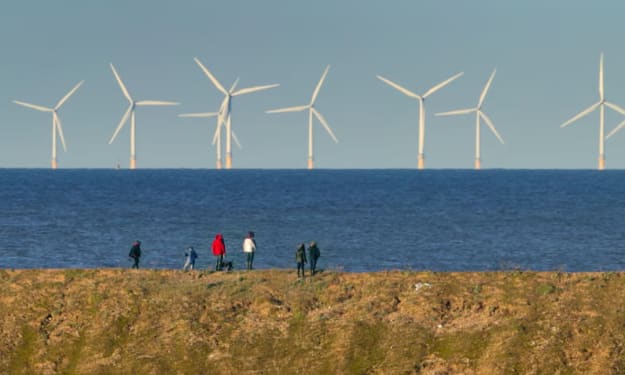
UK Among 10 Countries to Build 100GW Wind Power Grid in North Sea
The United Kingdom has joined forces with nine other European countries to create a massive offshore wind power grid in the North Sea, aiming to generate 100 gigawatts (GW) of renewable electricity. This ambitious initiative, one of the largest international energy projects in recent history, reflects Europe’s growing commitment to sustainable energy and the transition away from fossil fuels.
By Aarif Lashari6 days ago in Earth
The Duelist
The rays of a dying red sun flashed against the onrushing blade. The grey beards say the key to dueling lies in size, speed, reach, righteous fury, whatever the person in front of them pays them to say. Matteo knew better than any it was none of these and had an undefeated record on these sands to prove it.
By Matthew J. Fromm6 days ago in Fiction


Comments
There are no comments for this story
Be the first to respond and start the conversation.