
Elizabeth Line: London’s Modern Transport Revolution
Introduction: London’s Modern Transport Revolution

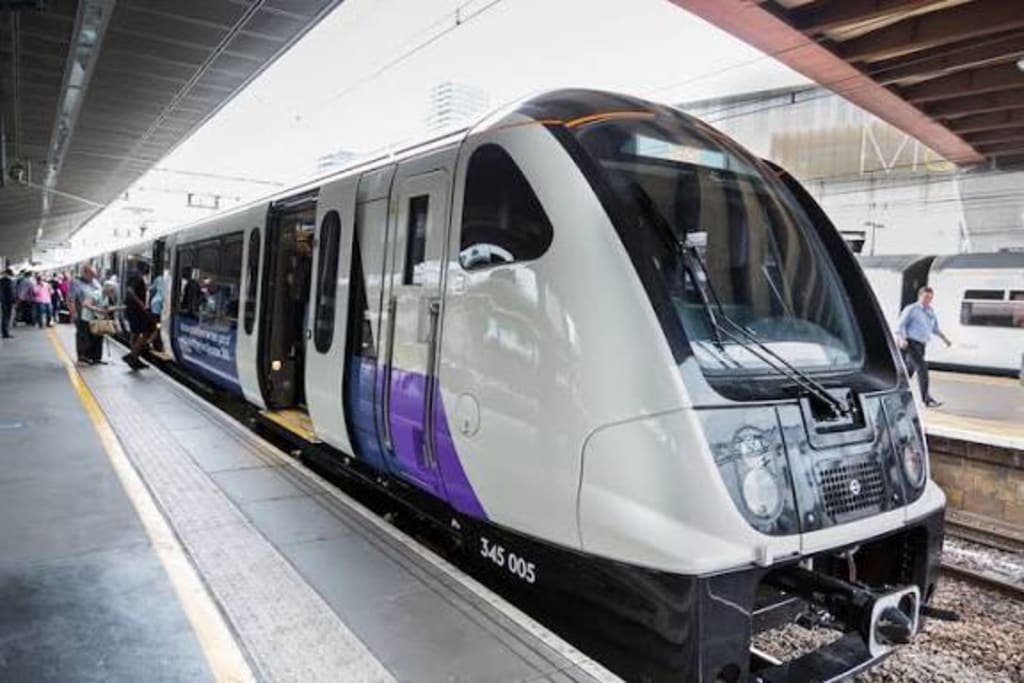
A New Era for the Capital
When the Elizabeth Line officially opened in 2022, it wasn’t just another addition to London’s transport system—it was a historic transformation. Named after Queen Elizabeth II, the line represents one of the most ambitious infrastructure projects in modern British history. Stretching more than 60 miles from Reading and Heathrow in the west to Shenfield and Abbey Wood in the east, it has become a lifeline for millions of commuters, connecting distant parts of the city with remarkable speed and comfort.
The Vision Behind the Elizabeth Line
The idea of the Elizabeth Line, originally known as Crossrail, dates back several decades. London’s growing population and economic importance demanded a transport solution that could relieve congestion and link the city’s outer areas more efficiently. The goal was to make travel across London faster and simpler, reducing the need for multiple transfers. This vision turned into reality through years of planning, engineering, and determination from thousands of workers and experts.
Building the Future Underground
The construction of the Elizabeth Line was no small task. Engineers had to dig deep tunnels under one of the busiest and oldest cities in the world. The £18.9 billion project faced delays, budget adjustments, and technical hurdles—but every challenge pushed the boundaries of modern engineering. The result is a masterpiece of underground design, with new stations featuring wide platforms, glass walls, and step-free access to ensure safety and accessibility for everyone.
Technology Meets Design
Beyond its striking architecture, the Elizabeth Line stands out for its use of cutting-edge technology. Modern air-conditioned trains, real-time digital information systems, and smooth transitions between underground and overground lines make travel more efficient and enjoyable. The trains are designed for comfort, with spacious seating and high-speed connections, making them ideal for both local commuters and international travelers arriving from Heathrow Airport.
Connecting Communities and Boosting the Economy
The Elizabeth Line is more than just a railway—it’s a symbol of connection. By linking once-isolated neighborhoods and business districts, it has reshaped London’s economic map. Areas like Canary Wharf, Tottenham Court Road, and Paddington have seen growth in property values and business opportunities. According to Transport for London (TfL), the line is expected to add billions to the UK economy over the next few decades by improving access to jobs and reducing travel times.
An Eco-Friendly Step Forward
One of the most impressive aspects of the Elizabeth Line is its focus on sustainability. With energy-efficient trains, improved ventilation systems, and reduced carbon emissions, the line reflects London’s commitment to greener public transport. Encouraging more people to use trains instead of cars helps lower pollution and traffic congestion, making London a cleaner and more connected city.
The Passenger Experience
For Londoners and visitors alike, the Elizabeth Line feels like a breath of fresh air. The spacious platforms, bright lighting, and art-filled stations create a calm and modern atmosphere. Passengers enjoy shorter journey times—many trips across the city that once took over an hour can now be completed in under 30 minutes. The line also prioritizes accessibility, with elevators and step-free platforms for wheelchair users and parents with strollers.
A Glimpse Into the Future
The Elizabeth Line is more than a transport success—it’s a model for future infrastructure around the world. It shows how innovation, collaboration, and long-term vision can transform a city’s daily life. As other cities look to improve their transport networks, the Elizabeth Line stands as a proud example of what’s possible when progress meets purpose.
Conclusion: The Beating Heart of a Modern City
In a city famous for its history, the Elizabeth Line represents the future. It connects people, opportunities, and communities while symbolizing resilience and progress. From its striking design to its environmental impact, it has truly redefined what public transport can achieve. For millions of Londoners, the Elizabeth Line isn’t just a route—it’s a revolution on rails.
About the Creator
Fiaz Ahmed
I am Fiaz Ahmed. I am a passionate writer. I love covering trending topics and breaking news. With a sharp eye for what’s happening around the world, and crafts timely and engaging stories that keep readers informed and updated.
Keep reading
More stories from Fiaz Ahmed and writers in Earth and other communities.
Weather Snow Forecast: Is the UK Preparing for a White Winter?
As autumn winds sweep across the United Kingdom, one question begins to dominate conversations — will we see snow this year? From cozy chats over tea to trending hashtags on social media, the “weather snow forecast” has become one of the most searched topics across the UK. With changing weather patterns and unpredictable conditions, many Britons are wondering whether a white winter is on the horizon or just a fleeting dream.
By Fiaz Ahmed 5 months ago in Earth
The Universe That Dreams Us
For centuries, humanity believed the universe was expanding. Galaxies drifting farther apart. Space stretching endlessly like an invisible fabric. The theory had been supported by decades of observations, especially from the famous Hubble Space Telescope, which showed distant galaxies moving away from Earth in every direction.
By Abubakar2206 days ago in Earth




Comments
There are no comments for this story
Be the first to respond and start the conversation.