
Elegy for the Lost Landscapes
A Heartfelt Tribute to Nature's Undoing
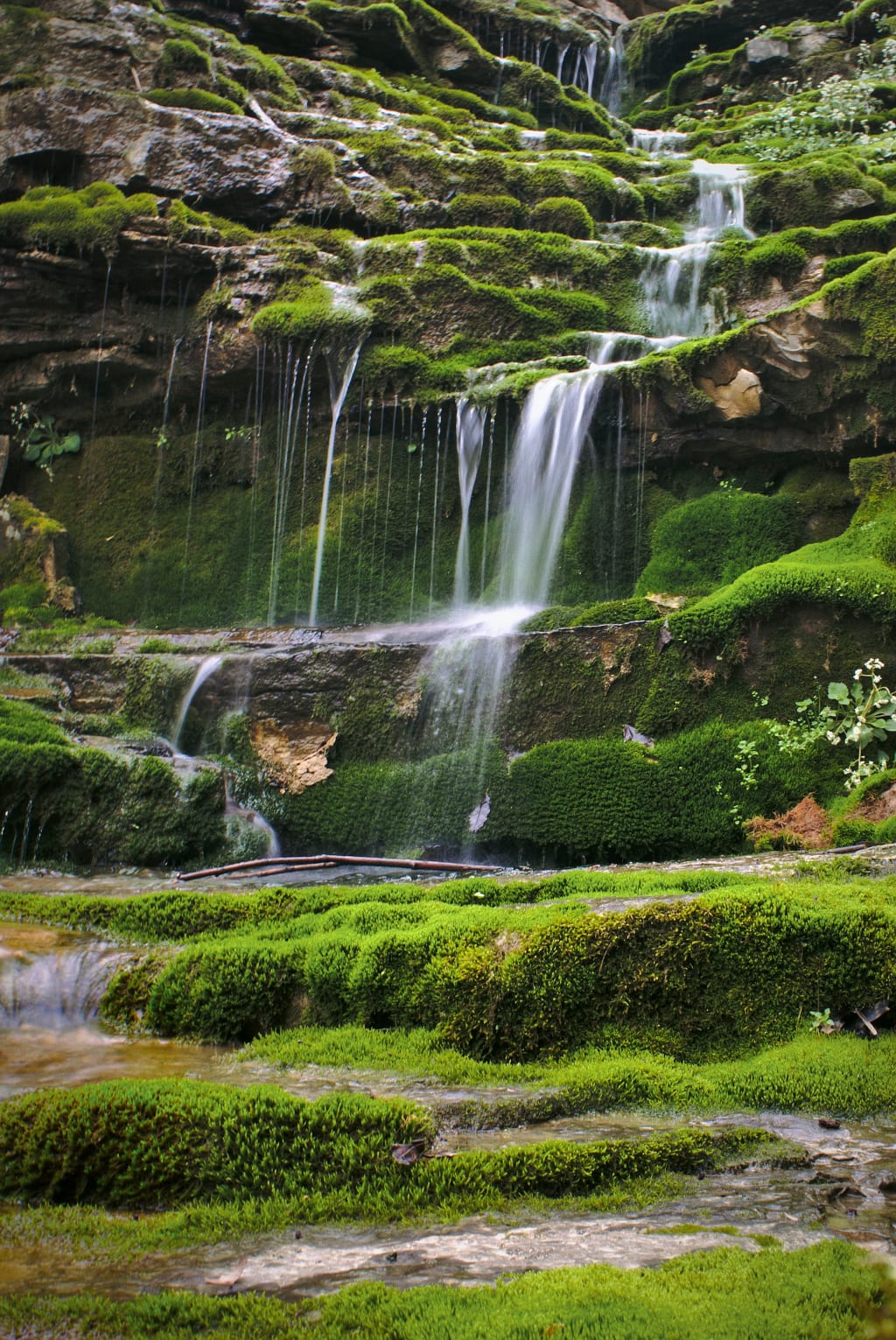
Elegy for the Lost Landscapes: A Heartfelt Tribute to Nature's Undoing
Introduction:
In the realm of untouched natural landscapes, where pristine forests whisper ancient stories, majestic mountains stand as sentinels of time, and rivers flow freely, a profound emotional connection exists between humanity and these untamed realms. These sacred spaces have long been the source of solace, inspiration, and wonder for individuals, nurturing our souls and reminding us of our place in the intricate web of life. However, as the relentless march of human activities alters or destroys these fragile ecosystems, a wave of sadness and longing sweeps over our collective consciousness, leaving us yearning for the lost majesty of our natural world.
Body:
The Elixir of Untouched Nature:
Immersing oneself in untouched natural landscapes is akin to drinking from a wellspring of rejuvenation. The serenity and harmony found within these environments have the power to heal the weary hearts and burdened minds of humanity. The towering ancient forests, with their canopies interlacing to create a verdant cathedral, evoke a sense of awe and wonder that transcends mere words. The gentle sway of the trees in the breeze, the earthy scent of moss and decaying leaves underfoot, and the ethereal symphony of birdsong create a sanctuary that whispers ancient wisdom and invites introspection.
The Mountains as Timeless Guardians:
Mountains, the stoic sentinels of the natural world, bear silent witness to the eons that have passed. Their jagged peaks, cloaked in a misty embrace, beckon adventurers and poets alike, inviting them to ascend into the realm of the divine. Standing atop these monumental structures, one is filled with an overwhelming sense of insignificance and interconnectedness. As humans disrupt these majestic landscapes with industrialization and mining, a profound sense of loss engulfs us. The scars left behind on these revered giants mirror the wounds inflicted upon our souls.
Rivers: The Lifeblood of Creation:
Rivers, those meandering arteries coursing through the earth, carry with them the pulse of life. They bestow sustenance, nourishment, and vitality to all living creatures, seamlessly connecting diverse ecosystems. The gentle babbling of a brook or the thunderous roar of a waterfall stirs within us a deep-rooted longing for a world unspoiled. Yet, as human intervention alters the natural flow of rivers, pollutes their waters, and diminishes their vibrant ecosystems, a sadness akin to losing an old friend fills our hearts.
The Melancholy of Destruction:
Every act of destruction inflicted upon these sacred landscapes ripples through our emotional landscape. Witnessing the clear-cutting of forests, the strip mining of mountains, or the damming of rivers sends shockwaves of sorrow and anger cascading through our hearts. The devastation of pristine landscapes not only robs future generations of the chance to experience the beauty and wonder we once knew, but it also erodes our own connection to the natural world. The ache we feel is both personal and collective, an acknowledgement of the irreversible damage wrought upon the fabric of our planet.
Longing for Restoration:
In the face of this loss, a deep longing emerges—an insatiable desire to reclaim what has been taken from us. We yearn for the revival of the untouched landscapes, for the forests to regenerate and reclaim their dominion, for the mountains to be free of scars, and for the rivers to flow unimpeded once again. It is a longing born out of love and a shared understanding of the intrinsic value of these spaces. We yearn to see our children and grandchildren experience the same sense of wonder and connection that once enraptured us.
Conclusion:
The loss of natural landscapes is a sorrowful reality that we must confront. The emotional connection we share with these untamed realms transcends cultural and geographical boundaries, reminding us of our shared responsibility as custodians of the Earth. The profound sadness and longing we experience when witnessing the destruction of these landscapes can serve as a catalyst for change. We must nurture and protect the remaining untouched spaces, advocating for their preservation and restoration. By doing so, we honor the emotional bond that exists between humanity and nature, and we ensure that future generations will have the opportunity to forge their own connections with the pristine beauty of our planet. Let us strive to be the guardians who defend the majesty of nature, so that the elegy for the lost landscapes can transform into an anthem of resilience and hope for a brighter future.
About the Creator
Keep reading
More stories from writers in Earth and other communities.
A bit about Bats
About The Bat Family ~ The bats and flying foxes sub-classifications are members of the bat family. Bats are the only mammals whose forelimbs evolved as proper wings. Their body is squat with a short neck and an elongated head. The hands are greatly enlarged. The fingers , between which the flying membranes are located, are elongated. Bats only have a claw on their thumb which they use to climb or grip things firmly.
By Sophie Carpenter3 days ago in Earth



Comments
There are no comments for this story
Be the first to respond and start the conversation.