
EFFECT OF CLIMATE CHANGE AND SOLUTIONS
In this article, you will get to know more about the effect of climate change and how it has affected humanity globally and the step to finding lasting solutions to these problems.

WHAT IS CLIMATE CHANGE?
Climate change refers to long-term shifts in temperature and weather patterns that occur as a result of human activities, primarily the emission of greenhouse gases such as carbon dioxide into the atmosphere. These changes have numerous effects on the environment, ecosystems, and human societies.
Here are some key impacts of climate change:
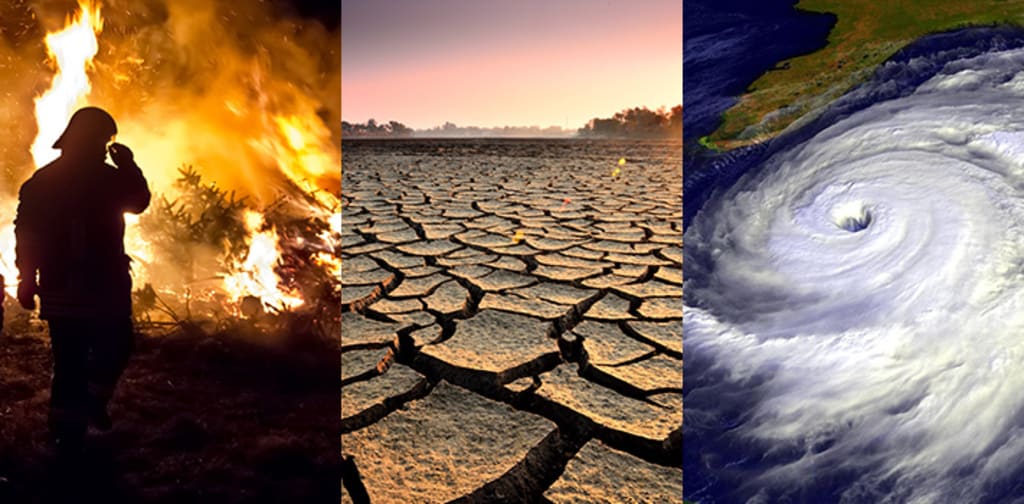
1. Rising temperatures: Global warming leads to increased average temperatures, which can cause heatwaves, droughts, and wildfires. Higher temperatures also contribute to the melting of glaciers and ice caps, leading to rising sea levels.
2. Changing precipitation patterns: Climate change affects rainfall patterns, leading to more intense and frequent extreme weather events such as heavy rainfall, floods, and storms. Some regions may experience increased rainfall, while others may face more prolonged dry spells and droughts.
3. Sea-level rise: As temperatures rise, ice sheets and glaciers melt, causing sea levels to rise. Rising sea levels threaten coastal communities and low-lying areas, leading to increased flooding, erosion, and saltwater intrusion into freshwater resources.
4. Loss of biodiversity: Climate change disrupts ecosystems, impacting biodiversity and species distribution. Some species may struggle to adapt or migrate fast enough, leading to habitat loss and potential extinction. Changes in temperature and precipitation can also disrupt food chains and impact ecosystem functioning.
5. Impact on agriculture: Changes in temperature, rainfall, and extreme weather events can significantly affect agriculture. Crop yields can be reduced, and food security can be compromised due to droughts, floods, pests, and diseases. This can lead to higher food prices and increased vulnerability for communities dependent on agriculture.
6. Human health risks: Climate change contributes to the spread of diseases as changing temperatures and precipitation patterns can alter the habitats of disease vectors, such as mosquitoes and ticks. Heatwaves can also lead to heat-related illnesses and deaths, particularly among vulnerable populations.
7. Economic consequences: The impacts of climate change can have significant economic costs. Disasters like hurricanes, floods, and wildfires can cause damage to infrastructure, property, and livelihoods. Industries reliant on natural resources, such as agriculture, fishing, and tourism, may suffer from disruptions and losses.
These effects of climate change are interconnected and can have far-reaching consequences on ecosystems, economies, and human well-being. Addressing climate change through mitigation (reducing greenhouse gas emissions) and adaptation (preparing for and managing the impacts) is crucial for minimizing the risks and protecting our planet and future generations.
A Comprehensive Approach: Solutions to Address Climate Change
Climate change has emerged as one of the most pressing challenges facing humanity today. It poses significant threats to our environment, economy, and social well-being. Addressing climate change requires a comprehensive approach that encompasses multiple strategies and involves collaboration at all levels of society. In this write-up, we will explore some key solutions that can help mitigate and adapt to the impacts of climate change.
1. Transition to Renewable Energy:
Shifting away from fossil fuels and embracing renewable energy sources is paramount in reducing greenhouse gas emissions. Governments and businesses should invest in the development and deployment of clean energy technologies such as solar, wind, and hydropower. Supporting research and development initiatives can accelerate the advancement of energy storage systems and improve the efficiency of renewable energy generation.
2. Energy Efficiency:
Improving energy efficiency across sectors is another crucial solution. Buildings, transportation, and industrial processes can be optimized to consume less energy, reducing both costs and emissions. This can be achieved through the implementation of energy-efficient technologies, stricter building codes, and incentives for adopting eco-friendly practices.
3. Sustainable Transport:
Transportation is a significant contributor to greenhouse gas emissions. Encouraging the use of public transport, cycling, and walking can reduce carbon emissions and improve air quality in urban areas. Governments should invest in the development of electric vehicles (EVs), expand charging infrastructure, and provide incentives to make EVs more affordable and accessible.
4. Forest Conservation and Reforestation:
Forests play a crucial role in carbon sequestration. Protecting existing forests from deforestation and promoting reforestation efforts can help mitigate climate change. Forest conservation initiatives should be supported, while deforestation practices such as illegal logging and clearing for agriculture should be strictly regulated.
5. Circular Economy:
Transitioning to a circular economy, where waste is minimized, and resources are used more efficiently, can significantly reduce emissions. Promoting recycling, extending product lifecycles, and adopting sustainable production methods can reduce the carbon footprint associated with resource extraction and waste management.
6. Climate Education and Awareness:
Raising public awareness and understanding of climate change is essential for fostering sustainable behaviors. Education programs, public campaigns, and media engagement can help individuals and communities understand the urgency of the issue and encourage them to take action. Climate education should be integrated into school curricula to empower future generations.
7. International Cooperation:
Climate change is a global issue that requires international cooperation. Governments, organizations, and communities must collaborate to share knowledge, resources, and best practices. International agreements like the Paris Agreement provide a framework for global cooperation, and efforts to strengthen and enforce these agreements should be prioritized.
Conclusion:
Addressing climate change is a complex task that demands a multi-faceted approach. Transitioning to renewable energy, improving energy efficiency, promoting sustainable transport, conserving forests, adopting circular economy principles, fostering climate education, and encouraging international cooperation are all crucial solutions. By implementing these strategies, we can work towards mitigating the impacts of climate change, protecting the planet for future generations, and creating a sustainable and resilient future. Time is of the essence, and collective action is needed from individuals, communities, governments, and businesses to tackle this global challenge head-on.
About the Creator
Keep reading
More stories from Eseosa Enoch Uwaila and writers in Earth and other communities.
THE PAINFUL STING OF HEARTBREAK: UNDERSTNADING THE HURT
The Painful Sting of Heartbreak: Understanding the Hurt Introduction: Heartbreak is an intensely painful emotional experience that most of us have encountered at some point in our lives. It leaves us feeling shattered, vulnerable, and overwhelmed. This write-up aims to delve into the profound impact of heartbreak, shedding light on the complex emotions and physical sensations it elicits. By exploring the depths of heartbreak, we can gain a better understanding of its effects and find guidance on how to heal and move forward.
By Eseosa Enoch Uwaila 3 years ago in Motivation
Rape Trial Puts Norway's Royal Family in Unwelcome Glare of Public
Norway’s royal family, long regarded as one of Europe’s most respected and low-profile monarchies, has recently found itself under intense public scrutiny following a high-profile rape trial connected to individuals within its extended social and public circle. The case has triggered widespread media attention, national debate, and renewed discussion about how institutions — even symbolic ones like monarchies — navigate crises involving criminal allegations.
By Aarif Lashari4 days ago in Earth
I Never Imagined This!’ How KPop Demon Hunters Could Make History at the Grammys and the Oscars
When KPop Demon Hunters was first announced, even its creators likely did not expect it to spark serious awards-season conversations. Blending high-energy K-pop music, supernatural action, animation, and global storytelling, the project initially seemed like a bold experiment aimed at younger audiences and niche fandoms. Today, however, it is being discussed as a potential history-maker—one that could break barriers at both the Grammys and the Academy Awards.
By Aarif Lashari5 days ago in Earth
The Devil's Triangle
The sails ruffled in the breeze as we cruised along. The Sea Breeze was a mid-size catamaran that sailed out of Royal Naval Dockyard in Bermuda. We had booked this trip weeks in advance and were now looking at our Captain, Spike and two boat hands. Paddy and Wilson seemed like nice guys, joking around with the passengers and telling us some stories about Bermuda that only locals would know. Their island accents sounded almost British but they were pleasant to listen to.
By Barbara Gode Wilesa day ago in Fiction



Comments
There are no comments for this story
Be the first to respond and start the conversation.