
Dracaena Plant Care
A Comprehensive Guide to Keeping Your Dracaena
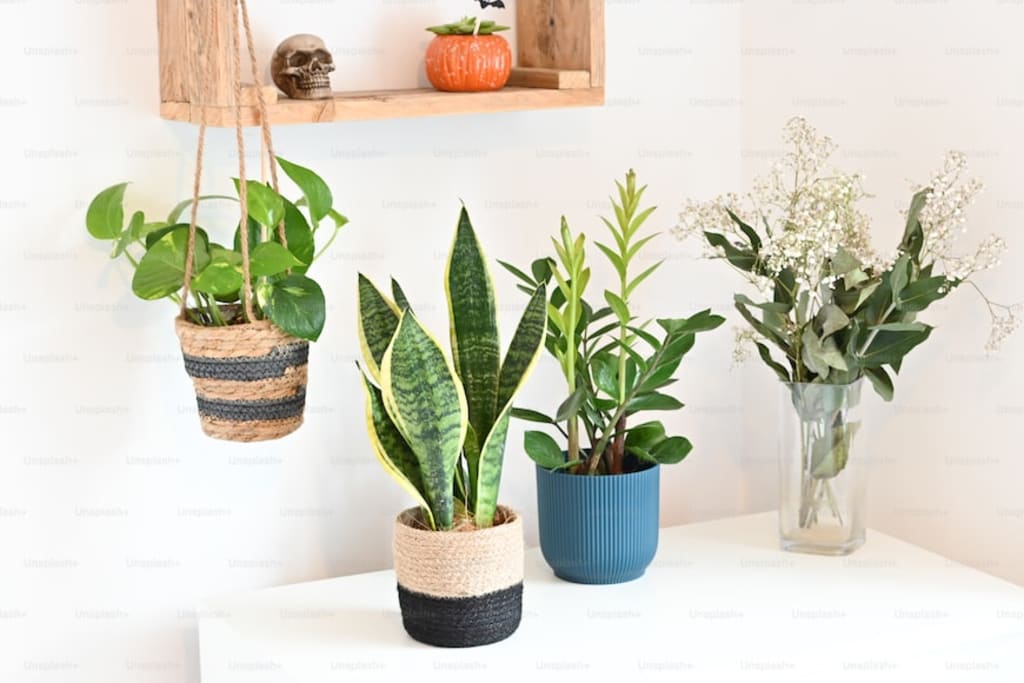
Dracaena plants have become popular choices for indoor greenery due to their vibrant foliage and low maintenance requirements. We will discuss the essential aspects of Dracaena plant care in this comprehensive guide, enabling you to provide the best conditions for their growth and longevity.
Light Requirements
Dracaena plants require bright indirect light to thrive. Leaf scorching can occur when they are exposed to direct sunlight, even though they can tolerate conditions with lower light levels. Make sure your Dracaena gets plenty of light through a filter by placing it near a window facing north or east. However, the intense afternoon sun, which can be too harsh, should be avoided. To guarantee even light distribution and balanced growth, rotate the plant occasionally.
Temperature Considerations
Dracaena plants like to be between 60°F (15°C) and 75°F (24°C). They can withstand slightly lower temperatures, but in the winter, they should not be placed in drafty areas or near cold windows. Avoid sudden temperature changes because they can be harmful to the plant. Dracaena plants thrive and avoid problems caused by stress when the temperature stays the same.
Regular Watering
Guidelines for Watering Dracaena plants require regular watering. Before watering, allow the soil's top inch or two to dry out. Root rot can result from excessive watering, so the plant must not be submerged in water. Saturate the soil completely with water while allowing any excess to drain away. To avoid waterlogging, check to see that the pot has adequate drainage. Dracaenas require less water when they are dormant, so water less frequently during the winter.
Humidity Management
Management of Humidity Although Dracaena plants thrive in slightly higher humidity, they can handle the majority of indoor humidity. Make sure that the bottom of the pot is not in direct contact with the water before misting the plant or placing a tray of water near it to increase humidity. This method creates a humid environment in specific locations. Additionally, a microclimate with increased humidity levels can be created by grouping plants together.
Soil Requirements
Dracaena plants do best in soil that drains well. Choose a potting mix that doesn't become overly saturated while still retaining some moisture. The best choice is a sand, perlite, and peat moss mixture or a houseplant-specific potting mix that can be purchased in stores. Root rot can result from heavy soils that hold on to too much water. By inserting your finger into the top inch of the soil on a regular basis, you can determine when to water.
Techniques for Fertilization
Feed your Dracaena plant once a month during the growing season (spring and summer) with a balanced liquid fertilizer. To prevent overfeeding, dilute the fertilizer to half the recommended strength. During the winter, when the plant is dormant, stop fertilizing it. Fertilizing provides the nutrients necessary for vibrant foliage and healthy growth. Remember to follow the manufacturer's instructions and not to fertilize the plant too much, as this can cause salt buildup and harm.
Pruning and Maintenance
Maintaining your Dracaena plant's shape and health require regular pruning. To encourage bushier growth, prune it back if it becomes leggy or develops brown tips. Cut just above a node (where leaves emerge) with clean, sharp pruning shears. To keep the plant looking its best, remove any dead or yellowing leaves on a regular basis. Examine the plant for signs of pests and take any necessary precautions.
Conclusion
Proper care is essential for your Dracaena plant's health and longevity. You can ensure optimal growth and vibrant foliage by providing adequate light, maintaining appropriate temperatures, properly watering, controlling humidity levels, using well-draining soil, and fertilizing on a regular basis. Additionally, regular pest control and pruning are essential for preserving the plant's appearance and overall health. Your Dracaena will flourish and add beauty to your indoor space for many years to come with a little care and attention.
About the Creator
Handicrafts Market: Preserving Tradition in a Modern World
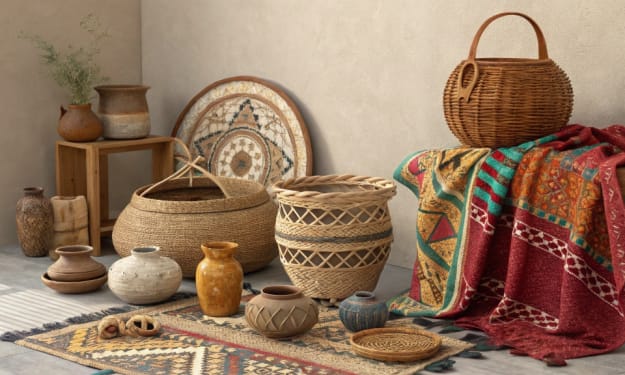
Handicrafts represent the cultural identity, creativity, and heritage of communities around the world. These handmade products reflect generations of skill, tradition, and artistic expression passed down through time. From textiles and pottery to woodwork and metal art, handicrafts showcase the craftsmanship and cultural richness of different regions. In today’s fast-paced and industrialized world, handcrafted products continue to hold a special place because of their authenticity and uniqueness.
By Rohit Shah6 days ago in Earth



Comments
There are no comments for this story
Be the first to respond and start the conversation.