
Do Solar Panels Work When It’s Cloudy
Solar Panel in Winters
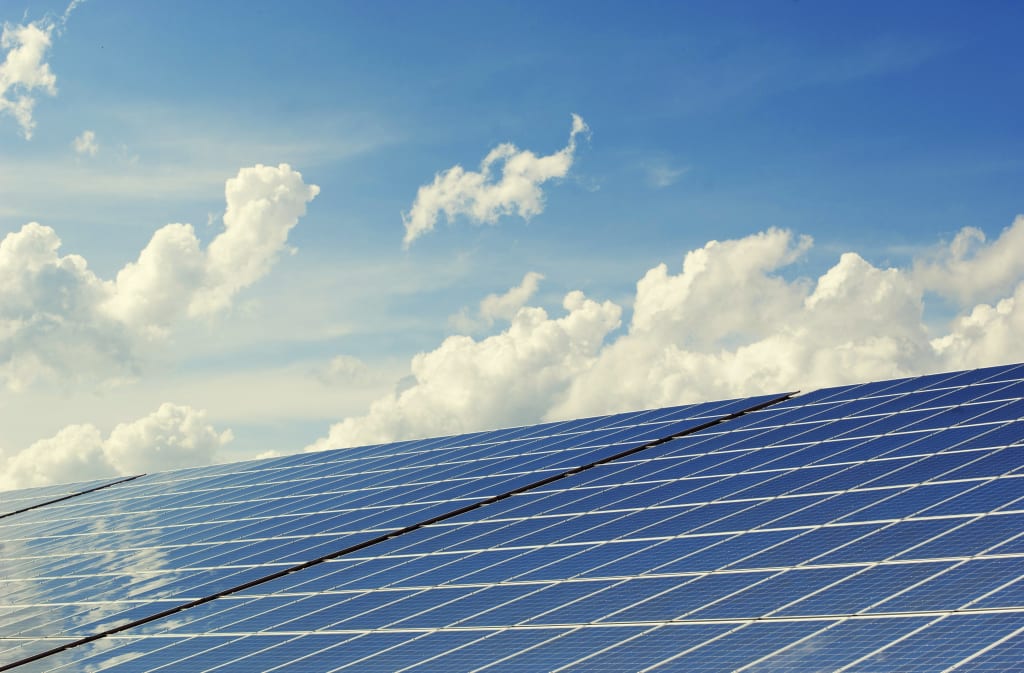
Cloudy skies are very common in India, especially during the monsoon season. So a question many people have when considering installing solar panels is - do they still produce energy when the sun isn't brightly shining? The short answer is yes; solar panels do still generate electricity on cloudy days. However, the amount of energy produced is reduced compared to sunny days. Let's take a closer look at how solar panels operate and what impact different weather conditions have.
How Solar Panels Use Sunlight
Solar photovoltaic (PV) panels work by directly converting sunlight into electricity. They are made up of solar cells, usually either made from silicon or thin-film materials. When sunlight strikes on these solar cells, the solar energy knocks electrons loose from the cell's atoms. This flow of electrons is captured and turned into usable electric current.
The key thing to understand is that it is not heat from the sun that creates the electricity, but rather the solar radiation itself. Sunlight contains particles of light called photons, which carry various amounts of energy depending on their wavelength. When these energized photons strike the solar cell what causes the electrons to be discharged.
So solar panels do not necessarily need strong, direct sunlight or high temperatures to be able to generate energy. They just need exposure to sunlight photons. This is why solar panels can still be effective even when the sunlight is partially blocked by cloud cover or pollution haze.
How Clouds Impact Solar Production
During completely overcast or stormy days, relatively little sunlight reaches the solar cells. So less electricity is produced compared to clear, sunny days. However, solar panels will almost always produce at least some energy during daylight hours, as long as they have exposure to the open sky above. Even when passing behind clouds, a portion of diffuse skylight is still typically present during the day.
Here is how solar electricity production is impacted under different cloud cover conditions:
Partly Cloudy - With some intervals of direct sun and others with light clouds or haze, daily energy production may be around 60-80% on partly cloudy days compared to optimum output.
Mostly Cloudy - Heavier but broken cloud cover can limit panels to generating about 30-50% of peak production capacity.
Stormy/Overcast - During storms, overcast weather, or prolonged dense fog where the sun stays behind a solid cloud layer, solar devices may only produce 10-25% of their usual electricity.
So in most conditions, outside of severe storms, solar panels can make meaningful contributions to meeting electricity demand. Adding battery storage allows the solar power that is produced during cloudy spells to be strategically used whenever needed most.
What About Rain and Storms?
Rain or snow by themselves do not impede solar panel performance - water droplets allow sunlight photons to still pass through and reach the solar cells underneath. In fact, rainfall can even help clean off any accumulated dust or dirt on panels, boosting their efficiency.
However, stormy weather brings excess clouds and often incorporates high winds. Both of these elements can negatively influence how much energy a solar array yields:
• Cloud Cover - As explained earlier, thick storm clouds block a larger share of the sun's rays, limiting solar electricity generation.
• Wind - Strong gusts from storms can apply pressure to solar installations and prevent panels from facing optimally toward the sunlight. This slightly reduces energy absorption.
Additionally, storms raise the danger of hail, which, if large enough, can damage exterior panel components and impair long-term performance. Thankfully, such heavy hail events are infrequent across most of India. And solar devices are designed to stand up well to typical rain, snow, and moderate wind scenarios.
Optimizing Your Solar System in Cloudy Regions
For homeowners or businesses located in predominantly cloudy, rainy, or foggy areas, a few solar power system adjustments can help maximize your clean energy output:
Panel Angle - Adjusting tilt angle helps point more directly at the sun breaking through cloud breaks.
Tracker Systems – Rotating solar panels to follow the sun’s movement helps capture more diffuse light.
Expanded Array Size – Increasing panel capacity leaves extra room for production shortfalls on adverse weather days.
Quality Components – Investing in efficient solar cells and batteries ensures excellent energy capture when possible.
Smart Technology – Sophisticated monitoring and control systems allow strategic use of the solar power generated.
With the right solar array design and components, you can feel confident in maintaining reliable, clean power on your property in any location – even regions with substantial cloud cover.
The Future is Bright for Indian Solar
India has committed to rapidly scaling up solar power to help meet rising electricity demand in a sustainable manner. The country enjoys average solar irradiation of 4-7 kilowatt-hours per square meter per day – even during monsoon season. This makes India one of the world’s sunniest major countries over the course of a year.
Solar energy will continue expanding across India in the coming decade, with tens of gigawatts of new photovoltaic and concentrated solar power capacity targeted. Households and businesses everywhere have ample sunlight resources to meet electricity needs with solar panel systems. That includes relatively cloudier cities like Mumbai and Chennai as well as drier regions like Delhi and Bangalore.
Intelligent solar technology coupled with battery storage makes it possible to smooth out variable production from changing weather. So no matter what climate you are in regionally, solar power delivers a reliable solution.
One company leading the way in making solar energy accessible and affordable for Indian homes and offices is Waaree Energies. As India's pioneering solar brand for over 30 years, Waaree offers exceptional service and support for residential solar installations across the country. Waaree utilizes state-of-the-art smart solar systems tailored for the modern Indian consumer's needs while working within their budget.
To find out more and get started with solar today, contact a Waaree solar expert or visit the Waaree official website. Investing in solar panels from Waaree provides you with exceptional quality equipment, professional maintenance and monitoring services, and customized financing options to go solar at zero upfront costs.
About the Creator
Keep reading
More stories from writers in Earth and other communities.
The Watering Wisdom: AI Creates a Custom Schedule Based on Your Home's Environment
The quest for the perfect watering routine is the holy grail of houseplant care. It’s a dynamic equation with variables that change with the seasons, your home’s climate, and even the plant's growth cycle. But what if you could stop guessing? Modern plant care, powered by artificial intelligence, is moving beyond static advice to create dynamic, personalized watering wisdom that responds to your environment.
By Emma Wallace7 days ago in Earth
Super Bowl LX Recap: A Team Called Hawks
Sixty. The Super Bowl turned 60! Still amazes me that this was the sixtieth Super Bowl played in NFL history. It seems like yesterday that I watched Super Bowl XXVII, the first SB I ever watched. The QB who won Super Bowl XXVII has since called a few SBs, and will call next year's game, but that's another story. Super Bowl LX took place at Levi's Stadium in Santa Clara, California, the home stadium of the San Francisco 49ers. However, it was one of their division foes who represented the NFC, as the Seattle Seahawks faced off against the New England Patriots.
By Clyde E. Dawkins2 days ago in Unbalanced



Comments
There are no comments for this story
Be the first to respond and start the conversation.