
DISCOVERY OF WORLD
Cultural Discovery and Global Exchange

Cultural Discovery and Global Exchange
The discovery of the world wasn’t just about finding new continents or drawing better maps—it was also about the meeting of people, ideas, and cultures. Throughout history, as humans ventured beyond their borders, they didn’t just bring goods; they brought languages, traditions, religions, and ways of life. These cultural exchanges shaped civilizations, inspired creativity, and sometimes even led to conflict. But in the end, they connected the world in powerful and lasting ways.
One of the earliest examples of global cultural exchange was the Silk Road, an ancient network of trade routes linking China with the Middle East and Europe. Along these dusty paths, traders didn’t just carry silk and spices—they carried stories, technology, and beliefs. Buddhist teachings traveled from India to China, while mathematics and astronomy passed from the Islamic world to Europe. Through trade and contact, cultures learned from one another and evolved.
However, the most dramatic wave of cultural discovery came during the Age of Exploration in the 15th and 16th centuries. Driven by the desire for wealth, land, and new trade routes, European powers like Spain, Portugal, and later England and France, began exploring the world’s oceans. When Christopher Columbus landed in the Caribbean in 1492, it marked the beginning of what would be called the Columbian Exchange—an unprecedented movement of people, plants, animals, and ideas between the Eastern and Western Hemispheres.
From the Americas, Europeans brought back foods like potatoes, tomatoes, maize (corn), cacao (used to make chocolate), and tobacco—items that would transform European diets and economies. Imagine Italian food without tomatoes or Swiss chocolate without cacao; these ingredients were all New World discoveries.
In return, Europeans brought wheat, sugar, coffee, horses, cattle, and diseases like smallpox. The impact of disease was devastating: millions of Indigenous people in the Americas died from illnesses they had never encountered before. While cultural exchange can be enriching, it has also, at times, been destructive.
Yet even in the shadows of conquest and colonization, cultures blended. New languages, customs, and identities emerged. In Latin America, Indigenous, European, and African influences fused to form unique traditions in music, dance, religion, and food. The African diaspora, caused by the transatlantic slave trade, contributed deeply to the cultural richness of the Americas. The rhythms of African music live on in samba, jazz, blues, and hip hop. Despite the pain behind this forced migration, it left a lasting and powerful cultural legacy.
Meanwhile, in Asia, Europe’s arrival brought both conflict and curiosity. Trade between East and West grew rapidly. China’s silk, tea, and porcelain became highly sought after in Europe, while European missionaries introduced Christianity and Western science. In Japan, a period of isolation was followed by a fascination with Western culture in the 19th century, leading to rapid modernization that still honored traditional values.
In Africa, cultural exchange occurred through trade across the Sahara long before Europeans arrived. Islamic culture and education spread into West Africa, where cities like Timbuktu became centers of learning. But with the arrival of European colonizers and the expansion of the slave trade, African societies were deeply affected. The loss of population, resources, and autonomy disrupted many cultures, though many African traditions survived and adapted.
As time went on, the world became even more connected. The Industrial Revolution brought faster ships and railways, allowing people and products to move across continents. By the 20th century, cultural exchange was happening at an even faster pace. Immigrants brought their cultures to new lands. Wars, colonization, and globalization continued to spread ideas and values across the world.
In today's digital age, cultural exchange is more global than ever. We can listen to K-pop in Kenya, eat Indian curry in Canada, or celebrate Chinese New Year in London. Social media allows us to experience other cultures in real time, helping people connect across borders.
Of course, cultural exchange comes with challenges. Sometimes, elements of culture are taken without understanding or respect—this is known as cultural appropriation. It’s important to recognize the difference between appreciation and exploitation. True cultural exchange requires respect, listening, and learning.
Despite its complexities, cultural discovery and global exchange have brought the world closer together. They have sparked creativity, built understanding, and reminded us that, though we come from different backgrounds, we share much in common. Whether through a shared meal, a piece of music, or a meaningful tradition, we continue to discover one another—and in doing so, discover more about ourselves.
About the Creator
nasrullah khan
ITS ABOUT LIFE OF MANS AND THERE STRUGGLES ON EARTH
Keep reading
More stories from nasrullah khan and writers in Earth and other communities.
PEOPLE VS COURTS
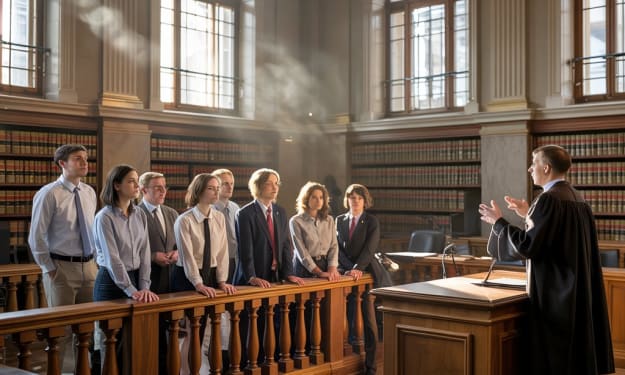
Exploring Legal Systems and Public Engagement The relationship between legal systems and public engagement is essential for the functioning of a just and fair society. Legal systems are not just about enforcing laws or delivering justice in individual cases; they are also deeply interwoven with the values and behaviors of the public. How the public interacts with the legal system—whether through participating in juries, engaging in debates about laws, or advocating for reforms—shapes the entire legal landscape. This article explores how legal systems operate and the critical role public engagement plays in maintaining their effectiveness, legitimacy, and fairness.
By nasrullah khan9 months ago in Education
Tourists Banned From Entering a Famous Snowfall Spot for Four Days: What Happened and Why It Matters
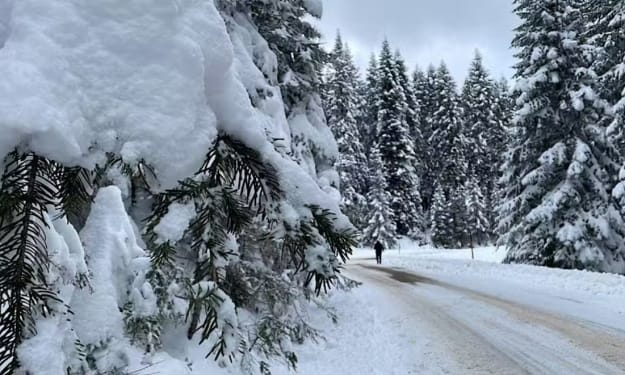
Snowfall destinations attract millions of tourists every year. Fresh snow, white landscapes, and winter activities turn certain locations into seasonal hotspots. But sometimes, nature’s beauty comes with serious risks. Recently, authorities temporarily banned tourists from entering a famous snowfall spot for four days, citing safety, environmental, and logistical concerns. The decision sparked debate among travelers, local businesses, and environmental experts. While many tourists expressed disappointment, officials argued that the ban was necessary to protect lives, infrastructure, and the fragile winter environment. Why Authorities Imposed the Ban The temporary closure was not an impulsive move. Officials announced the restriction after extreme snowfall overwhelmed the area, making roads dangerous and emergency access difficult. Heavy snow accumulation reduced visibility, increased avalanche risks, and caused traffic congestion that emergency services could not manage effectively. In previous years, similar conditions had resulted in stranded vehicles, medical emergencies, and damage to local infrastructure. Authorities learned that allowing unrestricted tourism during extreme snowfall could turn a scenic trip into a disaster. By banning entry for four days, officials aimed to: Clear roads and restore access routes Reduce the risk of accidents and avalanches Allow emergency services to operate efficiently Prevent environmental damage caused by overcrowding Tourist Reactions: Frustration and Understanding Many tourists had planned their trips weeks in advance. Hotels were booked, transportation arranged, and expectations set. For them, the sudden ban felt unfair and inconvenient. Social media quickly filled with complaints, with travelers questioning why better planning hadn’t prevented the closure. However, others supported the decision, acknowledging that safety should always come first. Experienced travelers pointed out that winter tourism carries inherent risks, especially in mountainous or high-altitude regions. As one frequent visitor noted online, “Snow is beautiful, but it doesn’t care about travel plans.” Impact on Local Businesses Local businesses often feel the immediate impact of such bans. Hotels, restaurants, tour operators, and small vendors rely heavily on seasonal tourism. A four-day closure can mean significant financial losses, especially during peak snowfall periods. Some business owners expressed concern about lost revenue, while others supported the ban as a necessary short-term sacrifice. Many acknowledged that accidents or fatalities would cause far greater long-term harm to the region’s reputation. In some cases, local authorities offered partial relief measures, such as rescheduling permits, extending hotel bookings, or waiving certain fees. These steps helped ease tensions between officials and the tourism industry. Environmental Concerns During Peak Snowfall Beyond safety, environmental protection played a major role in the decision. Popular snowfall destinations often experience severe strain during peak tourist seasons. Large crowds can damage snow-covered vegetation, increase waste, and disturb wildlife. When snow accumulates rapidly, ecosystems become even more vulnerable. Trampling through fragile areas, littering, and off-road driving can cause long-lasting damage that takes years to recover. Temporary bans give nature time to stabilize. Snowpack settles, wildlife adjusts, and authorities can manage waste and infrastructure more effectively. In this sense, the restriction serves not only humans but the environment as well. The Growing Challenge of Overtourism This incident highlights a broader global issue: overtourism. As social media makes scenic locations instantly famous, tourist numbers can surge beyond what places are designed to handle. Snowfall spots are especially vulnerable because weather conditions can change rapidly. Without strict controls, overcrowding can lead to: Traffic jams in remote areas Overburdened emergency services Increased pollution Higher accident rates Temporary bans are increasingly being used as a management tool, allowing authorities to balance tourism with safety and sustainability. How Authorities Decide When to Close Tourist Sites Decisions like this are usually based on data, not guesswork. Authorities monitor: Snow depth and weather forecasts Road and infrastructure conditions Emergency response capacity Past incident records When multiple risk factors align, closures become unavoidable. Officials also consult meteorologists, environmental experts, and local administrations before announcing restrictions. Clear communication is essential. In this case, officials used public notices, social media updates, and travel advisories to inform tourists and prevent confusion. What Tourists Can Learn From This For travelers, the incident offers valuable lessons. Winter travel requires flexibility. Weather-related bans are not punishments—they are protective measures. Tourists can reduce disruption by: Checking local advisories before traveling Booking refundable accommodations Avoiding peak congestion periods Respecting local rules and restrictions Understanding the realities of winter destinations can make travel safer and more enjoyable. Will Bans Like This Become More Common? As climate patterns become more unpredictable, temporary closures may become more frequent. Sudden heavy snowfall, extreme cold, or rapid snowmelt can quickly turn tourist-friendly areas into hazardous zones. Authorities worldwide are likely to adopt stricter crowd-control measures, especially in fragile or high-risk environments. While inconvenient, these steps are part of responsible tourism management. Final Thoughts The four-day ban on tourists entering a famous snowfall spot reminds us that nature sets the rules—not travel schedules. While such decisions may disappoint visitors and affect local businesses, they play a crucial role in ensuring safety, protecting ecosystems, and preventing long-term damage. Responsible tourism requires patience, adaptability, and respect for local conditions. Sometimes, the smartest travel decision is waiting until nature is ready to welcome visitors again.
By Muhammad Hassana day ago in Earth
Trump’s Posturing Over Greenland Has Changed the Transatlantic Alliance Forever
In recent weeks, U.S. President Donald Trump’s aggressive stance on Greenland has sent shockwaves through Europe, prompting officials to warn that the transatlantic alliance may never return to its previous equilibrium. What began as heated discussions over Arctic strategy and territorial influence quickly escalated into a diplomatic standoff that tested the foundations of NATO, revealing tensions that European leaders say could have long-term consequences.
By Muhammad Hassan5 days ago in Earth


Comments
There are no comments for this story
Be the first to respond and start the conversation.