
Dinosaur Islands of Europe
Where did the dinosaurs go?


When Pangea started to break up, we lost more than just a couple of continents. The Panthalassa was a gigantic ocean and the Tethys was a bay of the supercontinent Pangea. When Pangea began to break up, the Tethys became a sea dividing the next two continents of Gondwana and Laurasia between 185 and 125 MA. These two continents moved away from each other and smaller pieces of Pangea have broken apart. The central mountains on Pangea connected Africa, Europe, and the eastern side of North America. During this time, these mountains began separating. It was essentially the Appalachian mountains which today run from Alabama up the eastern seaboard into Canada. Africa began to drift away and part of this mountain range was pulled apart. It also started the beginning of the Atlantic Ocean.
Somewhere along this time period, Africa broke off from South America, Australia, and Antarctica during the Jurassic period. It eventually bumped into Europe again closing the Tethys sea for a brief period. This volcanic activity happened especially along the lower regions of Europe from the pulling apart, bumping into, and again separating from Africa. The volcanic activity might have caused a massive die-off of bivalves moving into the Jurassic age. There was evidence of a great reef across this area at one time which might explain the lagoon theory. Africa again separated from Europe only being connected by the stretch of land now known as the middle east.
At the same time, there was a period of fluctuations when there were no polar ice caps causing the water levels to rise above normal. It has been suggested as much as 600 ft above current water levels. Looking at simulations of modern-day Europe, that much water rising would create islands out of the current mountain ranges. When Pangea broke up, it was a result of at least three different factors. There were the continents breaking up with loose pieces dragging away, water levels rising without polar ice caps, and volcanic activity happening because of the breakup. Any one of these would create the islands of the European archipelago.
When Laurasia began to break apart separating North America and Europe, that is when the land was stretched into the Islands of Europe. Several nations were re-arranged and actually made an archipelago of sub-tropic islands. So why is all this important to know? The dinosaurs that we know of today are the huge Brontosaurus and Tyrannosaurus. We can easily see the evidence of these dinosaur paths across a continent like North America, but very little is known about the dinosaurs of Europe.
Many people wondered where they might have gone, but recent discoveries have provided a clue. All this bumping around the continents, volcanic activity along the subduction zones, and fluctuating of the ice caps made Europe a series of islands. They had dinosaurs from Pangea, but as these islands separated and moved apart…it created an island effect on the dinosaurs. The food chains were smaller, the diet was getting limited, and it is speculated that a lot of the fossils were lost in the movement. What they have found are smaller versions of the dinosaurs that we know of. They are sauropods the size of modern-day cows and therapods the size of turkeys or geese. Some have shown signs of developing aquatic capabilities that allowed them to swim from island to island!
As these islands moved apart and came back together, the water levels were rising and falling from the polar caps shrinking and coming back. This also creates something similar to our article on California and New Zealandia. It is very possible that evidence of the dinosaurs was washed away. California doesn’t really have dinosaur sites, but they do have petrified trees from 55 million years ago. We know that Zealandia was above water as recently as 40-60 million years which would give them time to have dinosaurs as well. Yet they haven’t found very many fossils from that time period.
Thanks to some observant geologists in Europe, they were able to find the skeletons of smaller dinosaurs in the area of central Europe. Dinosaur skeletons have been found in other regions of Europe as well, but we may never get the whole picture of what happened. It does give an interesting picture of the end of the dinosaur era. If the asteroid would have never happened, would all dinosaurs eventually shrink and become the pets of the modern-day world? Would mammals have ever dominated like they do today? We know from the end of the Carboniferous era that some environmental events would have brought about a change anyway. Perhaps that change was already happening when the asteroid hit.
About the Creator
Jennifer Allen
Hello. I like writing about interesting and unique facts about science and history like four-tusked Mastodons and droughts from the Bronze Age. Check out my website at historyscorner.weebly.com
Keep reading
More stories from Jennifer Allen and writers in Earth and other communities.
What happened to the Lost Continents?
Recent discoveries on the lost continent of Zealandia have made people begin to wonder if there are more lost continents out there. By dating the Zircons found in Zealandia, there is evidence to suggest that this was a part of the supercontinent Rodina long before Pangea. It aged over 1 billion years ago when Rodina was formed as a supercontinent. Using that as a guide, they recently measured the zircons on the mass under Mauritania and found it was dated earlier than that. Could Mauritania have been part of a supercontinent before the supercontinents that we know of? It is much older even though it sank under the sea after Zealandia did.
By Jennifer Allen3 years ago in Earth
UAE Weather Tomorrow: Rains Likely; Temperatures to Rise
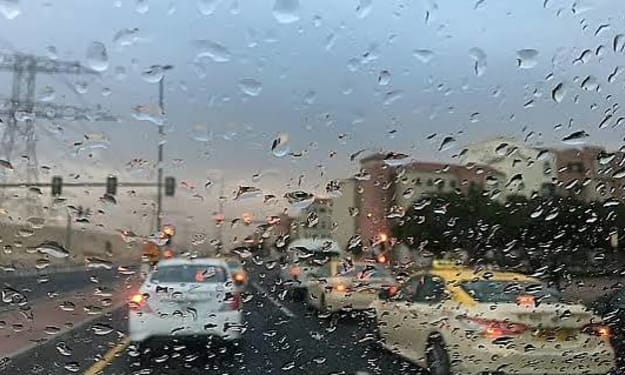
The United Arab Emirates is preparing for a change in its weather conditions as forecasters predict rain and rising temperatures across the country tomorrow. Residents and travelers are advised to stay updated with local weather alerts, as the shift could affect daily activities, traffic, and outdoor events. Meteorologists have noted that this weather pattern is part of a seasonal transition, bringing a mix of showers, mild winds, and warmer daytime temperatures. The change comes after several days of relatively dry and moderate weather across the UAE. Expected Weather Conditions According to the National Centre of Meteorology (NCM), the UAE will experience partly cloudy skies in most areas, with chances of scattered rain showers in some regions. Temperatures are expected to rise slightly, reaching maximums higher than the recent average for this time of year. Specific forecasts for major cities include: Abu Dhabi: Cloudy periods with isolated showers; temperatures between 22°C and 30°C Dubai: Sunny to partly cloudy with chances of light rain; temperatures around 24°C–31°C Sharjah: Light rain expected in some areas; highs of 30°C Northern Emirates (Ras Al Khaimah, Fujairah): Increased cloud cover with scattered showers; temperatures between 20°C and 29°C The NCM has also issued a notice for occasional gusty winds, particularly along coastal areas, which may affect marine activities and beachgoers. Causes of the Weather Change Meteorologists explain that the predicted rains and temperature rise are linked to: Shifting air masses: Cooler air from the north interacting with the warmer Gulf air is causing cloud formation and occasional rain. Seasonal transition: As the UAE moves towards its warmer months, temperatures naturally rise, even as intermittent rain falls in some areas. Regional atmospheric disturbances: Occasional low-pressure systems over the Arabian Peninsula bring moisture from surrounding seas, increasing rain potential. While the rain is expected to be light to moderate, it can temporarily affect visibility and road conditions, especially in areas prone to water accumulation. Impact on Daily Life Residents and visitors are advised to consider the following due to the changing weather: Road Safety: Rain may make roads slippery. Drivers are encouraged to maintain safe speeds and keep a safe distance from other vehicles. Travel Plans: Flight schedules may experience minor delays due to weather-related air traffic adjustments. Outdoor Activities: Those planning outdoor events, picnics, or beach visits should check local forecasts and be prepared for sudden showers. Marine Conditions: Boating and fishing enthusiasts should note choppy seas due to gusty winds, particularly along the UAE coastline. Temperature Trends While rain is expected, temperatures are forecasted to rise slightly across the country. Daytime highs will generally reach 30°C to 31°C in major cities, with cooler early mornings between 20°C and 24°C. Meteorologists emphasize that even with rain, the overall trend points toward warmer daytime conditions, marking a transition into the pre-summer period. Nights may remain slightly cooler, offering relief from the daytime heat. Preparation and Precautionary Measures Weather experts advise the public to take simple precautionary measures: Carry umbrellas or raincoats when moving outdoors. Check local weather apps and official NCM updates regularly. Drive cautiously on wet roads and follow traffic advisories. Secure outdoor items such as furniture, tents, or decorations that could be affected by gusty winds. Stay informed about marine weather updates if engaging in boating or fishing activities. By taking these precautions, residents can safely navigate the changes in weather without significant disruption to daily life. Regional Weather Patterns The UAE’s weather is influenced by its desert climate, but seasonal shifts and occasional regional disturbances often bring short-term rainfall and temperature variations. Northern Emirates: More likely to receive rain due to proximity to the Hajar Mountains, which can trap moist air and cause showers. Central and Southern Emirates: Rain is usually less frequent, but isolated showers can occur, particularly near coastal regions. Coastal Areas: Experience higher humidity and occasional gusty winds, especially when rain systems pass through. Expert Advice Experts from the NCM stress that such weather changes are normal and seasonal. While heavy rains are unlikely, even light showers can temporarily affect commuting, outdoor plans, and local businesses. Meteorologists also advise keeping an eye on short-term forecasts, as local weather can shift rapidly due to regional atmospheric changes. Conclusion Tomorrow, the UAE can expect a mix of rain showers and rising temperatures, signaling a shift in the seasonal weather pattern. Residents are encouraged to stay informed, take necessary precautions, and plan outdoor activities carefully. While the rain may be light and scattered, its presence reminds everyone that even in a predominantly arid country, weather conditions can change quickly, affecting roads, travel, and daily life. With proper awareness and preparation, the UAE’s residents and visitors can navigate these weather changes safely while enjoying the mild rainfall and warmer daytime temperatures.
By Fiaz Ahmed about 11 hours ago in Earth
Global Leaf Blowers Market Size and Forecast 2025–2033: Growth Powered by Eco-Friendly Landscaping Trends
Introduction: A Growing Market Fueled by Cleaner, Smarter Landscaping The global leaf blowers market is entering a transformative phase, driven by rising demand for efficient landscaping solutions and the global shift toward environmentally responsible tools. According to Renub Research, the leaf blowers market was valued at US$ 1.47 billion in 2024 and is projected to reach US$ 2.13 billion by 2033, expanding at a CAGR of 4.2% during 2025–2033.
By Aaina Oberoiabout 10 hours ago in Earth



Comments
There are no comments for this story
Be the first to respond and start the conversation.