
Digital Privacy and Cybersecurity: Protecting Our Lives in the Digital Age
Navigating the Challenges of Data Protection and Online Security
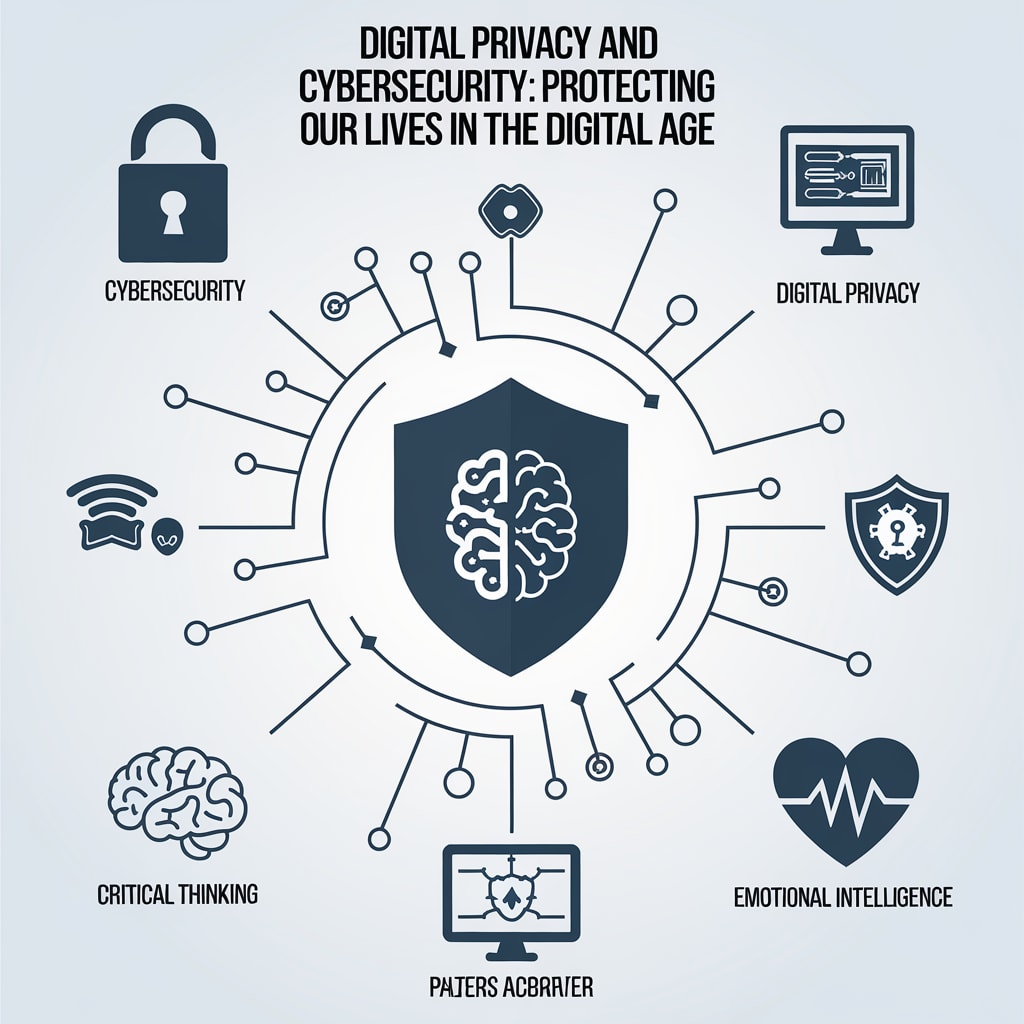
In today’s hyperconnected world, digital technology permeates every aspect of our lives. From social media and online banking to smart homes and telemedicine, the internet has transformed how we communicate, work, and access information. However, this digital revolution has also brought significant risks to our privacy and security. Digital privacy and cybersecurity have become critical issues, as individuals, businesses, and governments face increasing threats from cybercriminals, data breaches, and surveillance. This essay explores the importance of digital privacy, common cybersecurity threats, strategies for protection, and the ongoing challenges we face in safeguarding our digital identities.
The Importance of Digital Privacy
Digital privacy refers to the right of individuals to control their personal information in the digital realm. It encompasses the protection of data such as names, addresses, financial information, health records, online activity, and even biometric identifiers like fingerprints or facial recognition data. Maintaining privacy online is crucial because personal data can be misused in numerous ways—from identity theft and financial fraud to intrusive advertising and discriminatory profiling.
The mass collection and analysis of personal data by corporations and governments have raised serious concerns. Many online services are free because they monetize user data, often with limited transparency or consent. Governments may also engage in surveillance, sometimes justified for security purposes but often at the cost of individual freedoms. Thus, digital privacy is not only a personal concern but also a fundamental aspect of human rights and democracy in the digital age.
Common Cybersecurity Threats
Cybersecurity refers to the measures taken to protect computer systems, networks, and data from unauthorized access or attacks. Cyber threats continue to evolve in complexity and scale, exploiting vulnerabilities in technology and human behavior. Some common cybersecurity threats include:
Malware: Short for malicious software, malware includes viruses, ransomware, spyware, and trojans. Malware can damage devices, steal sensitive data, or lock users out of their systems until a ransom is paid.
Phishing: This social engineering attack tricks individuals into revealing confidential information like passwords or credit card numbers, often through fraudulent emails or websites that mimic legitimate ones.
Data Breaches: Large-scale breaches occur when attackers gain unauthorized access to databases, exposing sensitive information of millions of users. Notable examples include breaches of major companies, healthcare providers, and government agencies.
Denial-of-Service (DoS) Attacks: These attacks overwhelm servers with traffic, rendering websites or services inaccessible.
Man-in-the-Middle (MitM) Attacks: Attackers intercept and potentially alter communications between two parties without their knowledge, compromising confidentiality and integrity.
The consequences of these threats range from financial losses and reputational damage to privacy violations and national security risks.
Strategies for Protecting Digital Privacy and Security
To navigate the complex digital landscape safely, individuals and organizations must adopt robust privacy and cybersecurity practices:
Strong Authentication: Using complex, unique passwords for different accounts is fundamental. Two-factor authentication (2FA) or multi-factor authentication adds an extra layer of security by requiring a second form of verification, such as a text message code or biometric scan.
Encryption: Encrypting data—whether stored on devices or transmitted online—ensures that even if intercepted, the information remains unreadable to unauthorized parties. Secure communication protocols like HTTPS and VPNs help protect data privacy.
Regular Software Updates: Cyber attackers often exploit known vulnerabilities in outdated software. Keeping operating systems, applications, and antivirus programs up to date helps close security gaps.
User Education: Many cyberattacks exploit human error. Training users to recognize phishing attempts, suspicious links, and social engineering tactics reduces risks significantly.
Data Minimization: Sharing only necessary personal information with trusted services and reviewing privacy settings limits data exposure.
Legal and Regulatory Protections: Laws such as the European Union’s General Data Protection Regulation (GDPR) and California Consumer Privacy Act (CCPA) set standards for data protection, requiring organizations to handle personal data responsibly and transparently.
Advanced Technologies: Artificial intelligence (AI) and machine learning help detect and respond to cyber threats in real time, analyzing patterns to identify anomalies and block attacks.
Balancing Privacy, Security, and Convenience
One of the most significant challenges in digital privacy and cybersecurity is finding the right balance between protection, user convenience, and innovation. Strong security measures sometimes create friction in user experience, and excessive surveillance or data collection can infringe on privacy rights. Conversely, lax protections can lead to breaches and abuse.
Businesses face pressure to collect and analyze vast amounts of data for marketing, product development, and security, often raising ethical concerns. Governments must protect citizens from cybercrime while respecting civil liberties. Striking this balance requires ongoing dialogue, transparent policies, and a commitment to ethical standards.
The Future of Digital Privacy and Cybersecurity
As technology continues to evolve rapidly, so too do the challenges and solutions in privacy and security. Emerging technologies like the Internet of Things (IoT), 5G connectivity, and cloud computing expand the attack surface, making security more complex. Quantum computing promises both new opportunities and threats for encryption.
Privacy-enhancing technologies, such as decentralized identity systems and zero-knowledge proofs, offer promising ways to give users more control over their data. Simultaneously, international cooperation is increasingly important to tackle cybercrime that transcends borders.
Ultimately, digital privacy and cybersecurity are shared responsibilities involving individuals, corporations, governments, and technology developers. Public awareness and education will remain crucial in empowering people to protect themselves in an ever-changing digital environment.
Conclusion
Digital privacy and cybersecurity form the foundation of trust and safety in the digital age. As our lives become increasingly intertwined with technology, protecting our personal information and securing digital infrastructure is essential to preserving our freedoms, financial security, and well-being. While the threats are daunting and constantly evolving, a combination of strong technical measures, informed users, ethical practices, and robust regulations can help create a safer and more private digital future for all.
About the Creator
Keep reading
More stories from Anwar Jamil and writers in Earth and other communities.
Space Exploration and Colonization: Humanity’s Next Frontier
For centuries, humans have gazed at the stars with curiosity and wonder, dreaming of exploring the vast cosmos beyond our home planet. In recent decades, technological advancements have transformed those dreams into reality. Space exploration has evolved from launching small satellites to sending astronauts to the Moon and robotic probes to distant planets. Today, the concept of space colonization—establishing permanent human settlements beyond Earth—has moved from science fiction to a plausible future objective. This essay delves into the history, motivations, challenges, and prospects of space exploration and colonization, exploring why humanity looks to the stars and what it will take to become an interplanetary species.
By Anwar Jamil9 months ago in Earth
Seasoned Journeys:
Successful hunting is often a matter of timing, preparation, and adaptability. One of the most crucial aspects of planning a hunt is understanding how the climate and the natural cycles of wildlife intersect. By aligning your hunting trips with the best seasonal conditions and the behavioral patterns of your target species, you can dramatically improve your chances of success. Here’s how to plan your hunts around climate and game cycles for a more fruitful experience.
By Brox Baxley4 days ago in Earth
Hottest in the Office
Dear Rafi, You’re very distracting to work around. For the first second I saw you the other day, I thought you were some type of executive. It took a moment to realize no, you were just the new guy, dressed up for the job he wants. Be still, my heart.
By Gabriel Shames5 days ago in Pride




Comments
There are no comments for this story
Be the first to respond and start the conversation.