
Cultural significance of traditional cuisines
Traditional cuisines are more than just a collection of recipes passed down through generations; they are a reflection of a community’s history, values, and cultural identity.


Food is an integral part of every society, shaping not only how people eat but also their social structures, religious beliefs, and customs. The cultural significance of traditional cuisines lies in their role as a vehicle for storytelling, an expression of regional pride, and a means of preserving identity in a rapidly changing world.
Food as a Reflection of Identity and Heritage
Traditional cuisines serve as a powerful reflection of a community’s identity. The ingredients, cooking methods, and even the way food is presented are deeply tied to a culture's history. For example, in countries like Japan, food is closely tied to the concept of seasonality, with dishes changing based on what ingredients are available during different times of the year. Sushi, tempura, and ramen are not just dishes—they carry centuries of tradition and local influence, and in many cases, they have evolved over time to represent a nation’s culinary pride. The same can be said for other regions: India’s diverse array of curries, Italy’s regional pastas, or Mexico’s beloved tamales all carry immense cultural meaning, linking food to heritage.
In many societies, traditional cuisines have evolved in response to the local environment and natural resources available. For instance, Indigenous communities in the Americas developed complex cooking techniques that utilized native ingredients like corn, beans, and squash. These foods are often referred to as the "Three Sisters," which represent not only a food source but a deep cultural connection to land and tradition. Similarly, in Africa, the use of grains such as millet, sorghum, and teff reflects both agricultural practices and the socio-economic systems of many communities. The importance of local ingredients, whether it's rice in Southeast Asia or potatoes in the Andes, shows how food choices are directly tied to cultural survival and identity.
Food as a Storyteller: Myths, Traditions, and Rituals
Food is also an essential vehicle for storytelling and a method of passing down traditions. Many traditional dishes are rooted in ancient myths or legends that are symbolized through the meal. For example, in Greece, the preparation of moussaka often involves intricate steps that families pass down through generations, with each family adding its own unique twist. Similarly, the Jewish dish matzo ball soup plays an integral part in the Passover celebrations, symbolizing freedom and the escape from slavery. Food stories are also central to rituals and religious observances, from the holy bread used in Christian ceremonies to the ceremonial dishes served during Hindu festivals.
In many cultures, food is used to mark the passage of time—whether that’s the preparation of festive foods for holidays, family gatherings, or seasonal celebrations. Foods such as Chinese mooncakes during the Mid-Autumn Festival, or turkey at Thanksgiving in the United States, have become symbols of cultural unity and collective memory. These foods are reminders of the values that the community holds dear, such as family, gratitude, and reverence for nature’s cycles.
Food as Social and Communal Bonding
Traditional cuisines are often communal, meaning that the process of cooking and eating can bring people together in a way that reinforces social ties. Meals are shared, and food preparation often involves collaboration between family members, neighbors, or even entire communities. In parts of Africa, large communal bowls of rice and stew are shared between families, promoting a sense of unity and togetherness. In Italy, it’s not unusual for families to spend hours preparing a Sunday meal together, using food as a way to connect emotionally and socially.
Moreover, food fosters social rituals, such as communal feasts, banquets, and markets, which are opportunities for bonding and reinforcing social bonds. Weddings, births, and other life milestones are often celebrated with traditional foods that are deeply symbolic of prosperity, fertility, and longevity. In India, weddings feature a multi-course meal that is not just a gastronomic delight, but a display of wealth, status, and cultural pride. Sharing food at these important moments strengthens the sense of belonging to a particular cultural group.
Food as a Political and Economic Tool
Traditional cuisines are not immune to political and economic pressures. The globalization of food has led to the homogenization of diets, threatening the preservation of regional cuisines and food practices. As a result, many cultures have sought to protect and promote their traditional cuisines as a means of preserving cultural heritage. This can be seen in efforts to protect foods with geographical indications (GIs), such as French wine, Italian cheese, and Mexican tequila, which are protected by law to maintain their authenticity and cultural significance.
In some cases, traditional cuisines have become symbols of resistance and resilience against colonialism or globalization. In Vietnam, the global spread of pho, a traditional noodle soup, represents the country’s enduring culinary legacy, while simultaneously showcasing the ways in which food can evolve and adapt to new influences. For many indigenous peoples, maintaining food traditions is a way of resisting cultural assimilation and asserting their sovereignty.
Conclusion
Traditional cuisines are far more than just sustenance; they are an expression of a community’s identity, history, and cultural continuity. They carry with them centuries of stories, rituals, and practices that are passed down from generation to generation. Food, in its many forms, serves as a powerful reminder of who we are and where we come from, offering a glimpse into the values and beliefs that shape our lives. In a world of increasing globalization and cultural exchange, traditional cuisines are not only cherished but essential for maintaining cultural diversity and pride.
About the Creator
Badhan Sen
Myself Badhan, I am a professional writer.I like to share some stories with my friends.
Keep reading
More stories from Badhan Sen and writers in Earth and other communities.
The impact of genetically modified organisms on agriculture
GMOs are organisms whose genetic material has been altered using genetic engineering techniques, allowing for the introduction of new traits that are not naturally found in the species. These organisms have sparked debate worldwide, as their integration into agriculture has wide-reaching consequences, both positive and negative.
By Badhan Sen11 months ago in Earth
Police Warn Against ‘Ridiculous’ Parking at Beauty Spot Amid Snow Disruption
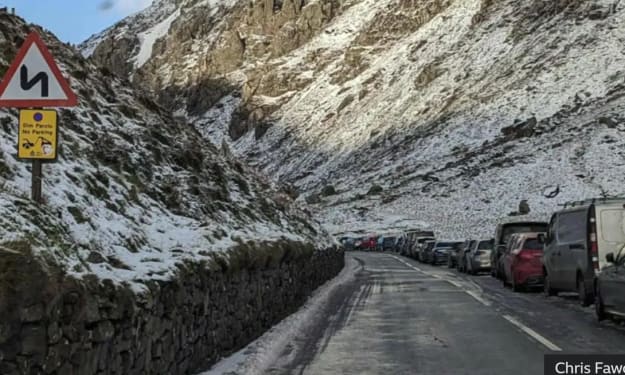
Heavy snowfall may transform beauty spots into winter wonderlands, but it also brings serious risks when visitors ignore basic safety and parking rules. Police have issued a strong warning against what they describe as “ridiculous” parking at a popular beauty spot, after snow disruption led to blocked roads, stranded vehicles, and delayed emergency access. As wintry conditions continue to affect travel, authorities are urging the public to prioritise safety over scenic photographs, reminding drivers that poor parking decisions can have life-threatening consequences during severe weather. Snowfall Turns Scenic into Hazardous The recent spell of snow attracted large numbers of visitors eager to enjoy picturesque landscapes blanketed in white. Hillsides, national parks, and rural viewpoints quickly became hotspots for walkers, families, and amateur photographers. However, police say the surge in visitors coincided with widespread parking chaos. Cars were left abandoned on narrow roads, grass verges, gateways, and even blocking access routes meant for emergency vehicles and local residents. What may appear to drivers as a harmless decision to “park for just a few minutes” can quickly escalate into a major safety issue—especially when snow and ice reduce road space and visibility. Police Response and Public Warning Local police forces have taken to social media and public statements to express frustration at the situation. Officers described some parking behaviour as not only irresponsible but dangerous, particularly given the weather conditions. Police warned that emergency vehicles, including ambulances and mountain rescue teams, were struggling to reach areas due to blocked roads. In severe weather, response times are already under pressure, and illegally parked vehicles can mean the difference between life and death. Authorities have also made it clear that enforcement action will be taken where necessary. Drivers risk fines, towing, and penalty points if their vehicles obstruct roads or endanger others. Impact on Emergency Services One of the most serious consequences of poor parking during snow disruption is its impact on emergency services. Narrow rural roads, already difficult to navigate in icy conditions, become completely impassable when cars are parked irresponsibly. Fire crews, paramedics, and rescue teams rely on clear access routes, particularly in popular beauty spots where accidents such as slips, falls, or stranded walkers are more likely in winter conditions. Police stressed that emergency vehicles do not have the luxury of “finding another way around” when roads are blocked. Delays caused by inconsiderate parking put both responders and the public at risk. Local Residents Left Frustrated It is not only emergency services that are affected. Residents living near popular beauty spots often bear the brunt of snow-related disruption. Driveways are blocked, access to homes becomes difficult, and essential journeys for work, medical appointments, or supplies are delayed. Many locals report feeling ignored by visitors who treat rural communities like seasonal attractions rather than lived-in areas. During winter weather, this frustration is magnified, as residents may already be dealing with power outages, poor road conditions, and limited access to services. Police have echoed these concerns, reminding visitors that beauty spots are often surrounded by working communities, not just open spaces for leisure. Why Snow Makes Parking More Dangerous Snow significantly reduces road safety margins. It narrows carriageways, hides road markings, and makes verges unstable. A car parked partly on a road might seem manageable in normal conditions, but in snow it can create blind corners, force vehicles into oncoming traffic, or cause skidding accidents. Additionally, snowploughs and gritters require space to operate effectively. Poorly parked vehicles can prevent these essential services from clearing roads, prolonging disruption for everyone. Authorities warn that even experienced drivers can underestimate how quickly conditions can change in winter weather. Social Media and the “Snow Day” Effect Police have also pointed to social media as a contributing factor. Viral images of snow-covered landscapes often encourage spontaneous trips without proper planning. People see beautiful photos and head out without considering parking availability, road conditions, or weather warnings. This “snow day” mentality can overwhelm rural infrastructure not designed for large volumes of traffic, particularly during adverse weather. Police urge visitors to check local advice before travelling and to be prepared to turn back if conditions are unsafe. Advice for Safe Winter Visits In response to the ongoing disruption, authorities have shared clear guidance for anyone planning to visit beauty spots during snowy conditions: Avoid unnecessary travel during severe weather warnings Park only in designated areas, never on roads or verges Do not block gateways, tracks, or emergency access routes Check weather and road conditions before setting off Be prepared to leave if parking is unavailable Police emphasise that no photograph or short walk is worth risking lives or causing serious disruption. Enforcement and Accountability While officers prefer to rely on public cooperation, they have confirmed that enforcement will be stepped up if irresponsible behaviour continues. Vehicles may be ticketed or removed, particularly if they pose a danger or obstruction. Authorities stress that enforcement is not about spoiling enjoyment but about ensuring public safety. Winter conditions demand higher levels of responsibility from drivers, not less. A Shared Responsibility Snow transforms landscapes, but it also tests public behaviour. Police warnings against “ridiculous” parking are not just expressions of frustration—they are urgent reminders that safety must come first. Enjoying nature is a privilege, not a right, especially during extreme weather. By parking responsibly and respecting local communities, visitors can help ensure that beauty spots remain accessible, emergency services remain effective, and winter days do not turn into preventable disasters. As snow disruption continues, the message from police is clear: think before you park, or don’t park at all
By Muhammad Hassan7 days ago in Earth
Greenland: New Shipping Routes, Hidden Minerals – and a Frontline Between the US and Russia?
Once seen as a remote and largely isolated Arctic territory, Greenland is rapidly emerging as a focal point of global geopolitics. Climate change, melting ice, and technological advances are transforming the island into a strategic hub defined by new shipping routes, vast mineral resources, and growing rivalry between major powers, particularly the United States and Russia. As the Arctic opens up, Greenland’s geographic position and untapped potential are pushing it to the center of international attention, raising questions about security, sovereignty, and sustainable development. Melting Ice and the Opening of New Shipping Routes One of the most visible impacts of climate change in the Arctic is the reduction of sea ice, which is making previously inaccessible waters navigable for longer periods each year. New Arctic shipping routes, including passages near Greenland, promise shorter travel times between Europe, Asia, and North America. Compared to traditional routes like the Suez Canal, Arctic pathways can reduce shipping distances by thousands of kilometers, cutting fuel costs and emissions. For global trade, this could be transformative. Greenland’s coastal waters are increasingly important as potential transit corridors and support hubs for these routes. However, the expansion of Arctic shipping also raises concerns about environmental risks, maritime safety, and the lack of robust emergency infrastructure in the region. Hidden Mineral Wealth Beneath the Ice Beyond shipping, Greenland holds significant reserves of critical minerals, many of which are essential for modern technologies and the global energy transition. These include rare earth elements, lithium, graphite, uranium, and other strategic resources used in electric vehicles, wind turbines, batteries, and defense systems. As demand for these materials grows, Greenland is being viewed as a potential alternative to existing supply chains dominated by a small number of countries. This has increased interest from Western governments seeking to diversify mineral sourcing and reduce strategic dependencies. However, mining in Greenland is controversial. Local communities and policymakers must balance economic opportunities with environmental protection and cultural preservation. Greenland’s harsh climate and fragile ecosystems make resource extraction both technically challenging and politically sensitive. The United States’ Strategic Interest in Greenland The United States has long considered Greenland strategically vital, largely due to its location between North America and Europe. The US already maintains a military presence at Pituffik Space Base (formerly Thule Air Base), which plays a key role in missile warning systems and space surveillance. In recent years, Washington has renewed its focus on Greenland, emphasizing Arctic security, infrastructure investment, and cooperation with Denmark, which oversees Greenland’s foreign and defense policy. US interest is driven by several factors: protecting transatlantic security routes, countering rival powers in the Arctic, and ensuring access to critical minerals. Greenland is increasingly viewed as a frontline in maintaining Western influence in the High North. Russia’s Arctic Ambitions Russia, meanwhile, sees the Arctic as central to its economic and military strategy. It has invested heavily in Arctic military bases, icebreaker fleets, and energy projects, particularly along its northern coastline. Although Greenland is geographically distant from Russia’s main Arctic territories, Moscow closely monitors developments there. The island’s proximity to key Arctic sea lanes and North Atlantic routes makes it strategically relevant in any broader confrontation between Russia and NATO. As tensions between Russia and the West remain high, Greenland’s location places it near the intersection of competing security interests, increasing its geopolitical significance. Greenland Between Global Powers The growing attention from major powers puts Greenland in a delicate position. While the island seeks greater economic independence and development, it must navigate complex relationships with Denmark, the United States, and other international actors. Greenland’s government has emphasized the importance of maintaining control over its resources and ensuring that development benefits local populations. At the same time, geopolitical competition risks turning Greenland into a strategic chessboard rather than a partner in decision-making. This balancing act is becoming more difficult as Arctic competition intensifies. Environmental and Social Challenges Greenland is on the front lines of climate change. Melting ice sheets contribute to global sea-level rise, while local communities face changes to traditional livelihoods such as fishing and hunting. The expansion of shipping and mining could bring jobs and infrastructure, but it also threatens fragile ecosystems and raises concerns about pollution, habitat disruption, and long-term sustainability. Any future development in Greenland will require careful regulation, international cooperation, and meaningful engagement
By Aarif Lashari3 days ago in Earth



Comments
There are no comments for this story
Be the first to respond and start the conversation.