
Covid-19: A Global Pandemic
Read and know what awful it was during the covid pandemic.
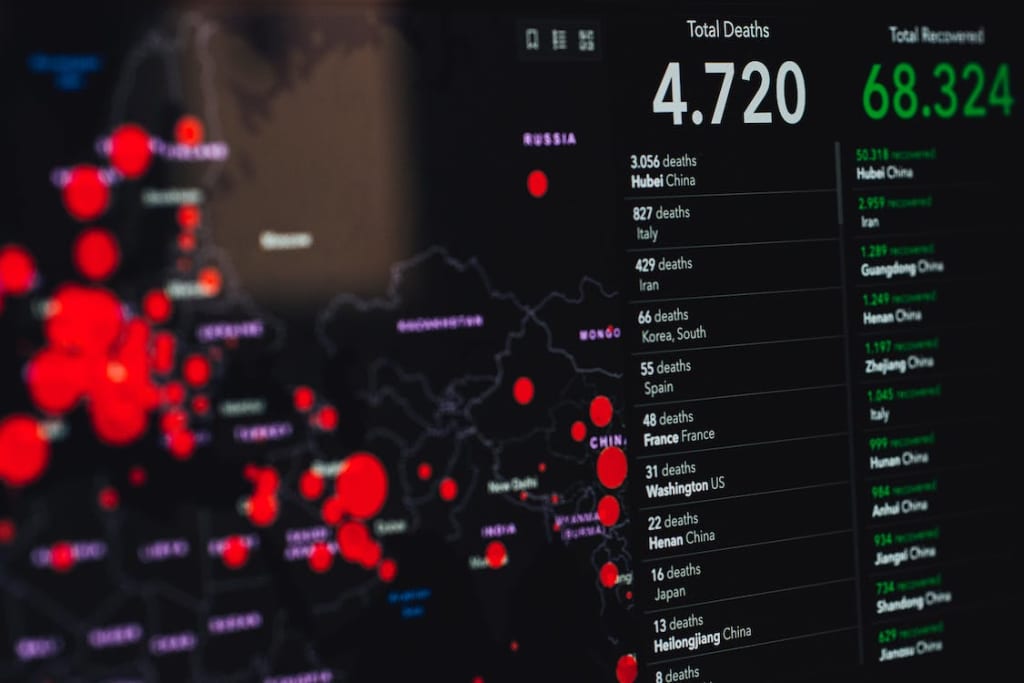
In recent months, the world has faced an unprecedented crisis in the form of the COVID-19 pandemic. The novel coronavirus, officially named SARS-CoV-2, has rapidly spread across continents, affecting millions of people and bringing nations to a standstill. In this article, we will explore the origins and impact of COVID-19, the measures taken to combat its spread, and the long-term implications it has on various aspects of our lives.
The Origins of COVID-19
COVID-19 is believed to have originated in Wuhan, China, in late 2019. The initial cases were linked to a seafood market in the city, where live animals were also being sold. The exact source of the virus is still under investigation, but it is widely believed to have originated from bats and possibly transmitted to humans through an intermediate host, such as a wild animal.
Spread and Impact
What started as a local outbreak soon turned into a global pandemic, spreading rapidly from person to person. The highly contagious nature of the virus and its ability to transmit even before symptoms appear has made it difficult to contain. As a result, COVID-19 has spread to virtually every corner of the world, causing significant health, social, and economic impacts.
The health impact of COVID-19 cannot be understated. Tens of millions of people have been infected, and hundreds of thousands have lost their lives. The virus primarily affects the respiratory system and can lead to severe pneumonia and acute respiratory distress syndrome (ARDS). Vulnerable populations, such as the elderly and those with underlying health conditions, are particularly at risk.
Beyond the health toll, the pandemic has disrupted societies and economies on a global scale. Lockdowns and travel restrictions implemented to slow the spread of the virus have led to mass unemployment, business closures, and a plunge in global economic activity. The impact on mental health has also been significant, with increased rates of anxiety, depression, and other psychological disorders.
Global Response and Measures
Governments and health organizations around the world have implemented various measures to combat the spread of COVID-19. These measures range from social distancing and mask mandates to widespread testing and contact tracing. Travel restrictions and quarantine protocols have also been put in place to limit the importation of new cases.
In addition, the development and distribution of vaccines have played a crucial role in fighting the pandemic. Multiple vaccines have been approved for emergency use, providing hope for a gradual return to normalcy. However, vaccine distribution has faced its own challenges, with issues of vaccine nationalism, limited supply, and vaccine hesitancy hindering progress in some regions.
Long-Term Implications
COVID-19 is not just a short-term crisis. Its long-term implications will be felt across various sectors for years to come. Here are some areas that have been significantly affected:
Healthcare: The pandemic has exposed weaknesses in healthcare systems worldwide. It has highlighted the need for better preparedness, increased investment in public health infrastructure, and improved collaboration between countries.
Economy: Global economies have been severely impacted by the pandemic, with many countries experiencing recessions and economic contractions. Recovery efforts will require a combination of fiscal policies, stimulus packages, and international cooperation.
Education: School closures have disrupted the education of millions of students. The shift to online learning has highlighted the digital divide and the importance of accessible and inclusive education. Schools will need to adapt and innovate to provide quality education in a post-pandemic world.
Travel and Tourism: The travel and tourism industry has been brought to a standstill, with international borders closed and restrictions in place. The road to recovery will require the implementation of robust health and safety protocols and the restoration of consumer confidence.
Social Dynamics: COVID-19 has changed the way people interact and socialize. Remote work, virtual events, and online platforms have become commonplace. The pandemic has also exposed social inequalities and highlighted the importance of community support and resilience.
Conclusion
The COVID-19 pandemic has had a profound impact on the world and will continue to shape our lives for years to come. While the development of vaccines provides hope, the virus and its long-term implications remain a significant challenge. It is crucial that we learn from this crisis, invest in global health systems, and work together to prevent and mitigate future pandemics. Only through collective action can we overcome this global threat and build a more resilient world.
About the Creator
Keep reading
More stories from writers in Earth and other communities.
The Terrarium Toolkit: AI Helps You Build and Maintain a Miniature World
You assemble layers of earth, carefully position tiny plants, and add decorative stones, culminating in the moment you place the glass lid or front panel. You've created more than a decoration; you've built a miniature, self-contained world. Yet, weeks later, that world can become clouded—literally. Condensation obscures the view, mold appears on the soil, or a once-vibrant plant turns to mush. The delicate balance you sought has tipped.
By Emma Wallace2 days ago in Earth




Comments
There are no comments for this story
Be the first to respond and start the conversation.