
Corruption and embezzlement
Many leaders have been accused of misappropriating public funds for personal gain, leading to a significant loss of resources that could have been used for the development of the country.

Title: Corruption and Embezzlement: Impeding Nigeria's Development and Widening the Wealth Gap
Introduction:
Corruption and embezzlement have long plagued Nigeria, hindering its progress and impeding socio-economic development. Within the realm of politics, some leaders have become notorious for their involvement in these illicit practices. This essay delves into the significant issue of corruption and embezzlement among political leaders in Nigeria, exploring its detrimental effects on the country, including underdevelopment and a widening wealth gap.
Definition of Corruption and Embezzlement:
Corruption refers to the abuse of entrusted power for personal gain, while embezzlement involves the misappropriation of funds or assets entrusted to one's care for personal enrichment. In the context of Nigeria, political leaders who engage in corruption and embezzlement exploit their positions to amass wealth at the expense of the nation and its citizens.
Magnitude of the Problem:
Nigeria has faced a long-standing battle against corruption, consistently ranking poorly in global corruption perception indices. Various reports and investigations have exposed the extent of corruption within the political class. Billions of dollars meant for public projects and services have been siphoned off by corrupt leaders, leaving critical sectors such as healthcare, education, and infrastructure in dire straits.
Causes and Enablers of Corruption:
Numerous factors contribute to the prevalence of corruption and embezzlement among Nigerian political leaders. Weak governance structures, lack of transparency and accountability, weak law enforcement, and a culture of impunity all play significant roles. Additionally, low salaries for public officials, coupled with a desire for personal enrichment, create an environment ripe for corruption.
Consequences of Corruption and Embezzlement:
The consequences of corruption and embezzlement in Nigeria are far-reaching and detrimental to the nation's progress. Firstly, the misallocation of funds intended for public projects results in inadequate infrastructure and services, hindering economic growth and social development. This perpetuates a cycle of poverty, as citizens are deprived of essential amenities and opportunities for upward mobility.
Furthermore, corruption erodes public trust and undermines the legitimacy of government institutions. When political leaders prioritize personal gain over public welfare, citizens lose faith in the democratic process, leading to apathy and disillusionment.
Corruption also widens the wealth gap, exacerbating income inequality. The misappropriation of public funds concentrates wealth in the hands of a few, while the majority of Nigerians struggle to access basic necessities. This disparity further deepens social divisions, leading to increased social tensions and instability.
Anti-Corruption Efforts:
Recognizing the urgency of the issue, Nigeria has made efforts to combat corruption and embezzlement. Institutions such as the Economic and Financial Crimes Commission (EFCC) and the Independent Corrupt Practices and Other Related Offenses Commission (ICPC) were established to investigate and prosecute corruption cases. Additionally, reforms in financial management, transparency initiatives, and public accountability mechanisms have been introduced.
However, despite these efforts, the fight against corruption remains challenging. The persistence of corrupt practices is partly due to the resilience of corrupt networks and the inadequacy of enforcement mechanisms. Political will, judicial independence, and an enabling legal framework are crucial to achieving meaningful progress in this battle.
Recommendations:
To effectively tackle corruption and embezzlement among political leaders in Nigeria, a comprehensive and multi-faceted approach is required. The following recommendations can contribute to addressing this issue:
Strengthening Institutions: Bolstering the capacity and independence of anti-corruption agencies, along with providing them with adequate resources, will enhance their effectiveness in investigating and prosecuting corruption cases.
Transparency and Accountability: Implementing measures to promote transparency and accountability in public administration, such as financial audits, asset declarations, and robust procurement systems, can curb corruption. Whistleblower protection laws should also be enacted to encourage the reporting of corrupt practices.
Political Will and Leadership: Sustained commitment from political leaders at all levels is crucial. They must lead by example, demonstrating integrity, and holding corrupt officials accountable, regardless of their positions or affiliations.
Public Awareness and Participation: Educating the public about the detrimental effects of corruption and empowering them to demand accountability can create a groundswell of support for anti-corruption efforts. Civil society organizations, the media, and educational institutions play a vital role in fostering this awareness.
Conclusion:
Corruption and embezzlement among political leaders in Nigeria pose a significant challenge to the country's development and exacerbate social and economic disparities. Tackling this issue requires a concerted effort from various stakeholders, including government, civil society, and the citizens themselves. Only through a comprehensive approach that addresses the root causes, strengthens institutions, and promotes transparency can Nigeria pave the way for a more prosperous and equitable future.
About the Creator
Keep reading
More stories from writers in Earth and other communities.
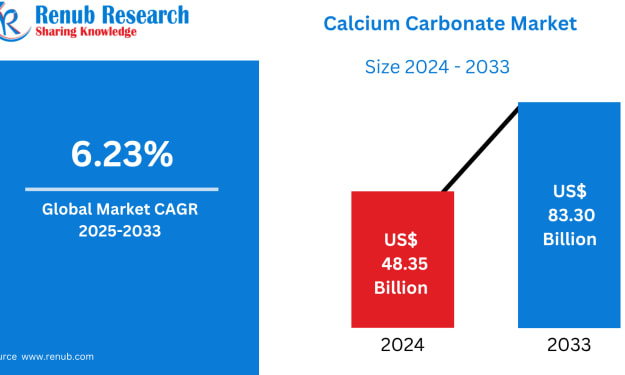
Global Calcium Carbonate Market Size & Forecast 2025–2033
Introduction: A Quiet Giant of Global Industry Calcium carbonate may not be a headline-grabbing material, but it is one of the most indispensable compounds in modern industrial life. Found naturally in limestone, marble, and chalk, this humble mineral underpins everything from the buildings we live in to the paper we write on and the plastics we use every day. Its low cost, wide availability, and remarkable versatility have made it a cornerstone raw material across multiple industries worldwide.
By jaiklin Fanandish7 days ago in Earth
Banyan tree
Early one morning, the forest was alive with an unusual commotion. Birds were chirping frantically, rabbits darted across the undergrowth, and monkeys climbed down from the trees, looking anxiously around. News had spread like wildfire: the oldest and kindest tree in the forest, the venerable Grandpa Banyan, was weak and frail, and it was on the verge of falling.
By Sudais Zakwan6 days ago in Earth
The Path to Salvation
The late autumn evening air filled the monk's lungs, but it wasn't the season that chilled his bones. The heavy-handed presence of evil he had sensed upon entering the woods surrounding this mountain village had not bothered to conceal itself from him.
By Made in DNA4 days ago in Fiction


Comments (1)
Good