
Composting Consciousness: Where’s the best place to do it?
A growing trend that can help plants grow. But just how accessible is it to you?
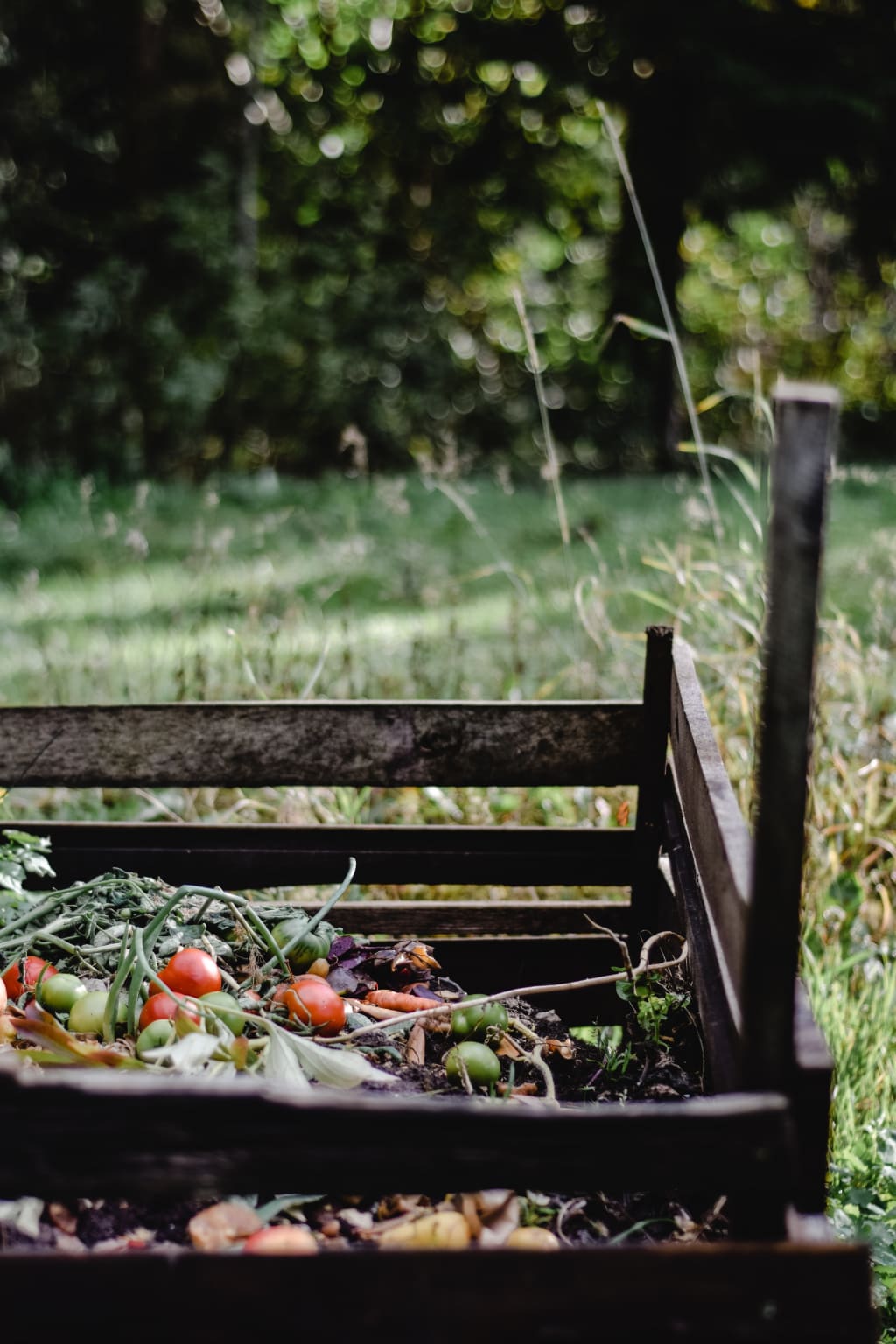
With Earth Day behind us, you may be thinking about the environment a little more. From using paper straws to reusable water bottles, saving the Earth has become a priority for many. One growing trend to help you become more environmentally friendly is composting. Composting creates organic material by combining dead plant parts and water with your waste and scraps, that definition according to the Environmental Protection Agency. The point of composting is so the organic material created can be used to cut down on methane emissions from landfills and also help plants grow.
Simple enough, right? Well not if you live somewhere that doesn’t have state mandates in place for composting or have the accessibility to composting facilities. So Garden’s Alive analyzed the U.S. to find out where’s the best to compost. They looked at 5 factors:
- The number of composting facilities in each state.
- If there is a state mandate for a special organic food waste system.
- How long it’s been since composting policies were last updated.
- The number of landfills per 10,000 people.
- The percentage of cropland per total land.
Through the five factors, each state would receive a score out of 50.
Across the country, they found Ohio reigned supreme for the top state to compost, scoring 34.1. Through the factors they looked at, Ohio has over 370 composting facilities in the state, which they found is also the most overall in any state in the U.S. They also found that there’s no state mandate for residents to compost. Close behind them in overall ranking is Delaware, which ranked #2 and scoring 33.6 and Massachusetts at #3 with a 29.8.
On the opposite end of the spectrum, North Carolina, Hawaii, and Nevada had the lowest scores, which the analysis pointed out was interesting because they each have different opportunities for green waste management, such as food waste in Nevada, agricultural waste from Hawaii, and crop and livestock waste from North Carolina. Looking regionally, they found none of the top 20 states were located in the south, though the region is heavily impacted by farming.
When looking at the states that had the most composting facilities, all of the top 10 states had at least 110 facilities available. Maine (2) and West Virginia (3) joined Ohio in the top three for this category. Also when turning to statewide mandates, it was shocking to see that only 5 states had mandates in place for organic goods treatment.
Overall, the team found that there’s room for the country to learn more and participate more in composting. The fact that none of the top 20 states for composting are in the south alone is enough to think about what must be done regionally. Especially with a giant presence in farming, would the overall ranking of states change if those southern states participated in composing? Looking at a bigger picture, how much more globally conscious could we be if those states participated just a little more and drove competition within the U.S. for who can provide the most composting opportunities?
So now that you know where the best place to compost in the U.S. is, what’s next? Though your state may not be ranked high for composting, that shouldn’t stop you from participating in saving the planet if you choose to. There’s always room for improvement and your contribution could just be the start of a movement that bumps your state up to #1. And if you still find yourself in a predicament, there’s always many other ways to give back to mother earth.
About the Creator
Keep reading
More stories from Pam Jannes and writers in Earth and other communities.
One Man’s Trash, One Globe’s Big Problem
It’s no secret that the Earth goes through a lot in it’s endless cycles around the solar system. And oftentimes humans can be more harmful than helpful to our planet despite all the pressure it already faces. From increasing natural disasters to drastic climate changes, it’s clear that the Earth is rapidly changing - and not for the better.
By Pam Jannes5 years ago in Earth
Man (22) Charged With Murder of English Tourist in Temple Bar
Arrest and Formal Charges A 22-year-old man has been charged with the murder of an English tourist following a fatal incident in Dublin’s Temple Bar area. The charge comes after an intensive Garda investigation into events that unfolded in one of Ireland’s busiest and most popular nightlife districts.
By Aarif Lashariabout 21 hours ago in Earth
No Word Comes Near Enough
The English language has its limits. I learned this when I became a student of the Bible and looked up the Greek and Hebrew definitions behind the Scriptures I loved. Some languages have so much more depth and power than the one I use to convey my thoughts. But, even so, I don't think any word could ever come close to describing this void and pain I am journeying through. I don't know how to swim through its murky waters.
By Shirley Belk3 days ago in Poets




Comments
There are no comments for this story
Be the first to respond and start the conversation.