
Close Calls: Four Epidemics That Were Almost a Reality (But Never Occurred)
Averting Catastrophe: The Untold Stories of Four Near-Miss Epidemics

Ebola stands as one of the most lethal viruses known to humanity, with a mortality rate of about 50% for untreated cases. It can be transmitted through various bodily fluids, including blood and sweat, and even the deceased can pass on the disease, particularly during funerals. In 2013, a tragic incident occurred when a two-year-old boy in southern Guinea fell sick and died just two days later. It took local doctors and international experts four months to identify Ebola as the culprit, primarily because it had never been detected outside of Central Africa. This delay allowed Ebola to gain a devastating head start, leading to the largest recorded Ebola epidemic in history. Over the span of two years, more than 28,000 people were infected, and over 11,000 lost their lives.
During the initial outbreak in Guinea, the country lacked an adequate emergency response system, trained contact tracers, rapid tests, border screenings, or an approved Ebola vaccine. However, after the epidemic, with the support of the US and other international partners, Guinea undertook a complete overhaul of its epidemic response system.
In January 2021, Guinea's preparedness was put to the test when a nurse in the southern region showed symptoms of Ebola and succumbed to the disease shortly afterward. Her family, following traditional burial practices, also contracted the virus. Fortunately, health officials suspected Ebola early on and quickly activated tests, confirming their suspicions. Guinea promptly triggered its epidemic alert system and launched a comprehensive response. The country established multiple emergency operations centers, deployed teams of experts to identify potential contacts, initiated widespread testing capabilities, and screened millions of travelers at its borders with Liberia and Cote d'Ivoire. Moreover, a large-scale vaccination campaign was conducted, and community mobilizers disseminated information on safe burial practices to reduce Ebola transmission.
Thanks to these measures, the 2021 outbreak was effectively controlled within four months. Only 23 people were infected, and just 12 lives were lost, amounting to less than 1% of the deaths seen in the previous outbreak, which cost $53 billion globally. In contrast, the 2021 response cost $100 million.
While Guinea's approach proved successful for Ebola, it's essential to understand that each disease and country may require a different response strategy. For instance, Brazil contained a yellow fever outbreak through a massive vaccination campaign, leveraging its vaccine production capacity and the population's familiarity with routine vaccinations. In contrast, Burkina Faso swiftly curbed a cholera outbreak by providing antibiotics to those potentially exposed and employing immediate contact tracing.
In Chiang Mai, Thailand, a community-driven outbreak alert system was piloted to monitor animal health, recognizing the potential for zoonotic spillovers. This system relied on villagers using an app to notify health authorities about animal outbreaks. Crucially, any effective outbreak response system must gain trust and active involvement from communities, respecting their language, culture, beliefs, and practices.
A key lesson from these experiences is the importance of investing in robust and enduring health infrastructure throughout the year, especially for vulnerable populations. Acting proactively can save countless lives, rather than merely responding reactively when an outbreak occurs.
Additionally, the success of an outbreak response hinges on the ability to swiftly detect and report potential cases. Establishing early warning systems, bolstered by strong surveillance and reporting mechanisms, is crucial to preventing outbreaks from escalating. Timely detection allows for rapid response measures to be implemented, reducing the spread of the disease and saving lives.
One common thread across successful outbreak responses is the need for community engagement and participation. Local communities are often the first to notice and report unusual health events. Ensuring that information about outbreaks and preventive measures reaches these communities in a culturally sensitive manner fosters trust and cooperation, leading to more effective containment efforts.
Furthermore, investment in research and development of vaccines and treatments plays a critical role in outbreak preparedness. The availability of approved vaccines and therapeutics can significantly mitigate the impact of an outbreak by providing protective measures or aiding in treatment. Governments and international organizations should prioritize funding and collaboration to advance medical advancements for various infectious diseases.
Beyond specific outbreak responses, building resilient healthcare systems is fundamental to combating outbreaks effectively. Investing in healthcare infrastructure, training healthcare workers, and ensuring access to essential medical resources all contribute to a country's ability to tackle emerging health challenges promptly.
Another key aspect of preparedness is fostering international cooperation and solidarity. Infectious diseases can rapidly cross borders, making global collaboration indispensable. Timely information sharing, resource mobilization, and mutual support among nations can prevent localized outbreaks from turning into widespread pandemics.
Furthermore, conducting regular simulation exercises and drills can help assess the effectiveness of outbreak response plans and identify areas for improvement. These simulations can involve all relevant stakeholders, including healthcare workers, public health authorities, and community representatives.
Lastly, it's essential to recognize that outbreaks disproportionately affect vulnerable populations, including those with limited access to healthcare, living in poverty, or facing other societal disparities. To achieve equitable health outcomes, outbreak response strategies must be designed with an inclusive and compassionate approach, prioritizing the needs of the most marginalized and at-risk individuals.
In conclusion, effectively responding to outbreaks requires a multifaceted approach that involves early detection, community engagement, tailored response strategies, investment in healthcare systems, global cooperation, and consideration of the most vulnerable. By proactively addressing these elements, we can better protect communities from infectious disease threats and minimize the devastating impact of future outbreaks.
About the Creator
Kishon Brown
As a fervent wanderer and devoted lover of literature, I find inspiration in every corner of the world. Join me as I journey and craft captivating tales of my adventures. Let's embark on this literary odyssey together! 🌍✍️
Keep reading
More stories from Kishon Brown and writers in Earth and other communities.
Building Climate-Resilient Cities: Addressing the Challenges of the Next Generation
Throughout the annals of history, the oldest cities have stood as testaments to a central theme: the intentional design for fostering human connection. Ancient urban centers boasted narrow winding streets, close-knit buildings, and a seamless blend of residential spaces, workplaces, and shops. The heart of these cities pulsated with vibrant central public spaces, fostering community interaction and a sense of belonging. However, the landscape of modern American cities paints a starkly contrasting picture, featuring wide roads, sprawling distances between homes and workplaces, vast parking lots, and an overriding emphasis on accommodating cars. The era of car-centric cities presents immense challenges in the 21st century, ranging from combating climate change and maintaining public health to ensuring social equality.
By Kishon Brown3 years ago in Earth
15 Years After Fukushima, Japan Prepares to Restart the World’s Biggest Nuclear Plant
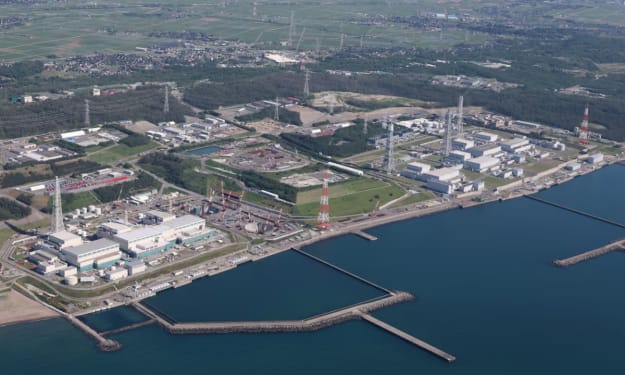
Fifteen years after the catastrophic Fukushima disaster, Japan is preparing to restart the world’s largest nuclear power plant. The decision marks a significant turning point in the country’s energy policy, reflecting both the urgent need for stable energy sources and the ongoing concerns about safety, environmental impact, and public trust. The move underscores Japan’s complex relationship with nuclear energy—a technology that has fueled the nation’s economic growth but also caused one of the worst nuclear disasters in history. The Fukushima Legacy In March 2011, a massive earthquake and tsunami triggered a meltdown at the Fukushima Daiichi Nuclear Power Plant, releasing radioactive material and forcing the evacuation of tens of thousands of residents. The disaster exposed flaws in safety regulations and emergency preparedness, reshaping public perception of nuclear energy in Japan and around the world. Following the incident, Japan shut down nearly all its nuclear reactors, relying heavily on imported fossil fuels to meet energy demand. The decision led to increased energy costs and heightened greenhouse gas emissions, creating pressure to diversify energy sources. Why Japan is Restarting Nuclear Reactors The restart of nuclear plants, including the world’s largest facility, is driven by several factors: Energy Security: Japan imports over 90% of its energy needs. Restarting nuclear plants reduces dependence on foreign fossil fuels and helps stabilize electricity supply. Climate Goals: Nuclear power generates electricity with minimal carbon emissions. As Japan commits to reducing greenhouse gases, nuclear energy offers a low-carbon alternative to coal and natural gas. Economic Considerations: Importing fossil fuels is expensive. Nuclear energy provides a relatively cheaper source of electricity in the long term, helping households and industries manage costs. The government emphasizes that advanced safety measures and rigorous inspections are in place, aiming to restore public confidence and prevent another disaster. Safety Measures and Upgrades Since 2011, Japan has invested heavily in upgrading nuclear infrastructure. Lessons from Fukushima have led to stricter regulations and improved disaster preparedness: Reinforced Reactor Buildings: Structures are now designed to withstand larger earthquakes and tsunamis. Advanced Cooling Systems: Redundant and automated cooling systems reduce the risk of overheating. Emergency Response Planning: Local governments and plant operators coordinate evacuation drills and disaster simulations. Regulatory Oversight: Japan’s Nuclear Regulation Authority (NRA) conducts independent inspections to ensure compliance with safety standards. Despite these measures, skepticism remains. Many citizens fear that no system can fully eliminate the risks associated with nuclear power, especially given the unpredictable nature of natural disasters in Japan. Public Opinion and Controversy The decision to restart the world’s biggest nuclear plant has sparked debate across Japanese society. Supporters argue that nuclear energy is essential for economic stability, energy security, and climate goals. They point out that without nuclear power, Japan would struggle to meet rising electricity demand and climate commitments. Opponents, however, raise concerns about safety, environmental impact, and long-term waste management. Memories of Fukushima remain vivid, and surveys indicate that a significant portion of the population is uneasy about returning to nuclear energy. Local communities near nuclear plants have voiced particular concern, fearing potential accidents and contamination. Economic and Energy Implications Restarting nuclear plants could have broad economic benefits. Stable electricity supply reduces the risk of blackouts, supports industrial activity, and helps control electricity prices for households. From an energy policy perspective, nuclear power allows Japan to balance its energy mix more sustainably. It complements renewable sources like solar and wind, which can fluctuate depending on weather conditions. Nuclear plants provide a steady “baseload” supply that renewables alone cannot guarantee. However, challenges remain: the disposal of radioactive waste, decommissioning older plants, and ensuring consistent regulatory oversight are all long-term concerns that Japan must address to maintain credibility and safety. Global Perspective Japan’s decision is being watched closely worldwide. The Fukushima disaster reshaped global nuclear policy, leading countries like Germany to phase out nuclear energy while others, including China and South Korea, continue to invest in it. Restarting the world’s largest nuclear plant sends a signal about Japan’s commitment to energy self-sufficiency and low-carbon power. It also raises questions about how other nations handle the balance between energy security and safety, especially as climate change increases the urgency for reliable, low-emission energy sources. Lessons Learned Fifteen years after Fukushima, Japan’s experience provides key lessons for the global community: Preparedness is Crucial: Robust safety standards and disaster response systems are essential for operating nuclear plants in seismically active regions. Public Trust Matters: Long-term energy policy must consider public perception and involve communities in decision-making. Diversified Energy Strategy: Nuclear power should be part of a broader energy mix, complemented by renewables to reduce risk and emissions. Continuous Oversight: Independent regulatory bodies and transparent operations are critical for maintaining safety and credibility. These lessons are not only relevant for Japan but also for any country considering nuclear power as part of its energy transition strategy. Conclusion The restart of Japan’s largest nuclear plant, fifteen years after the Fukushima disaster, represents both hope and caution. It promises more stable energy, lower carbon emissions, and economic benefits. At the same time, it reminds the world of the inherent risks of nuclear power and the need for rigorous safety, transparent governance, and public engagement. Japan’s journey reflects a broader challenge faced by many nations: how to meet growing energy demand and climate goals while ensuring safety, sustainability, and public trust. The coming years will reveal whether this bold step strengthens Japan’s energy future or reignites debate over the role of nuclear power in a post-Fukushima era.
By Muhammad Hassanabout 10 hours ago in Earth
The New Gold Rush is Happening at Wastewater Treatment Plants
I never thought much about where wastewater goes after it leaves my house until I read a study from Arizona State University. Researchers tested sewage sludge from cities across America and found something remarkable.
By Marcus Briggs13 minutes ago in Earth



Comments