
Climbing Manaslu: Risks, Rewards, and What You Need to Know
For many mountaineers, Manaslu is seen as the "starter 8000er"


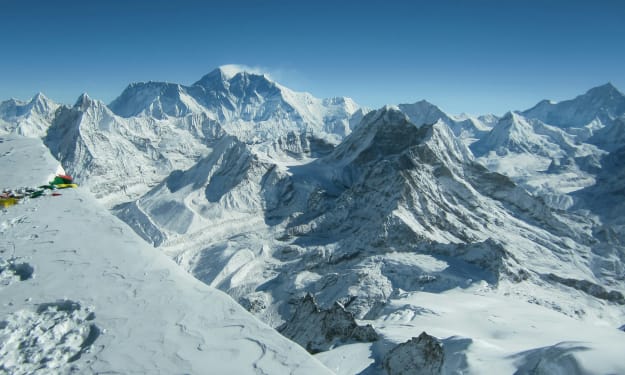
Standing proudly at 8,163 meters (26,781 feet), Mount Manaslu is the eighth highest mountain in the world. Located in the remote Gorkha region of Nepal, Manaslu offers climbers a unique blend of physical challenge, stunning landscapes, and relatively fewer crowds compared to Everest or Annapurna.
But climbing Manaslu is no small feat. It comes with significant risks, immense rewards, and a set of challenges that every aspiring climber must be prepared for.
Here’s everything you need to know before taking on this majestic Himalayan giant.
Why Climb Manaslu?
For many mountaineers, Manaslu is seen as the "starter 8000er" — a first step into the world of climbing 8000-meter peaks. While no mountain above 8,000 meters is ever easy, Manaslu is often considered more accessible than Everest or K2 due to its lower technical difficulty and more straightforward summit route.
Here are some reasons climbers choose Manaslu:
• Achievable Summit: It’s often seen as one of the “easier” 8000-meter peaks.
• Stunning Scenery: Dramatic glaciers, hanging ice cliffs, and endless mountain vistas.
• Fewer Crowds: Compared to Everest, the Manaslu expedition is far less crowded.
• Experience Building: Ideal preparation for those aiming to climb Everest or other technical peaks later.
However, make no mistake — climbing Manaslu still demands serious preparation, endurance, and respect for high-altitude conditions.
Understanding the Risks
No high-altitude expedition comes without risks, and Manaslu is no exception.
Here’s what you need to be aware of:
1. Avalanche Danger
Manaslu has a history of deadly avalanches, especially between Camp 2 and Camp 3. Heavy snowfall can dramatically increase avalanche risk, making it crucial to monitor weather forecasts closely and rely on the expertise of experienced guides.
2. Crevasse Hazards
The route traverses numerous glaciers riddled with crevasses. Using fixed ropes, ladders, and having glacier travel experience is vital to navigate safely.
3. Altitude-Related Illnesses
Climbers face the real threat of AMS (Acute Mountain Sickness), HAPE (High-Altitude Pulmonary Edema), and HACE (High-Altitude Cerebral Edema). Proper acclimatization and immediate medical response can be life-saving.
4. Unpredictable Weather
Manaslu’s weather can turn quickly. Snowstorms, whiteouts, and high winds are common, especially above 7,000 meters.
Climbers must be prepared for long waiting periods at base camp or high camps.
5. Physical and Mental Fatigue
Spending weeks at high altitude, coping with freezing temperatures, and making summit pushes through the night are mentally and physically exhausting.
Without solid fitness and mental toughness, success becomes unlikely.
The Rewards of Climbing Manaslu
Despite the risks, the rewards are unparalleled.
Standing atop Manaslu, with the vast Himalayas stretching out beneath your feet, is a moment few people ever experience.
Here’s why it’s worth it:
• Sense of Achievement: Summiting an 8000-meter peak is an extraordinary accomplishment.
• Spectacular Views: Witness endless glaciers, pristine snowfields, and nearby peaks like Ganesh Himal, Annapurna II, and Himlung.
• Cultural Immersion: The approach trek through the Manaslu Conservation Area offers an authentic glimpse into remote mountain villages and Tibetan Buddhist culture.
• Personal Growth: Facing your fears, pushing past your limits, and discovering new reserves of strength.
Manaslu doesn’t just test your body — it transforms your spirit.
When to Climb: The Best Seasons
The best time to climb Manaslu is during the autumn season, particularly from mid-September to late October.
• Autumn (September–October): Offers more stable weather, clear skies, and better snow conditions.
• Spring (April–May): Possible but less popular due to heavier snow accumulation and higher avalanche risk.
Many climbers aim for late September, when monsoon season has ended but winter storms haven't yet begun.
The Climbing Route: What to Expect
Here’s a general breakdown of the Manaslu climbing route:
• Base Camp (4,800m): Set on a rocky moraine near the Manaslu Glacier. This becomes your home for several weeks.
• Camp 1 (5,600m): A steep climb up through icefall and crevassed glacier.
• Camp 2 (6,400m): Located on a broad, snowy plateau. It’s safer but can be extremely cold and windy.
• Camp 3 (6,800m): A short but steep climb. Higher risk of avalanches.
• Camp 4 (7,400m): Final camp before the summit. Exposure and fatigue are major factors here.
• Summit Push (8,163m): A long, arduous day — often 12–16 hours round trip — but the reward is reaching the eighth highest point on Earth!
Typically, expeditions use the traditional Northeast route with fixed ropes placed by Sherpa teams.
Do You Need a Guide?
Yes, absolutely.
Since 2023, Nepal has made it mandatory to have a registered guide for high-altitude expeditions — and for good reason.
A reliable guide company will:
• Handle logistics (permits, base camp setup, food)
• Help with acclimatization plans
• Provide experienced Sherpa support
• Offer emergency evacuation support if needed
Attempting a Manaslu expedition without a professional team is extremely dangerous and not recommended.
Essential Preparation and Training
Training for Manaslu should start at least 6–12 months before the climb.
Focus on:
• Cardiovascular fitness: Long hikes, running, cycling.
• Strength training: Core, legs, and endurance workouts.
• Altitude experience: Pre-climb treks like Everest Base Camp or Mera Peak are excellent preparation.
• Technical skills: Crampon use, ice axe arrest, fixed rope techniques.
Also, mental preparation is key. Staying positive, managing fear, and pushing through discomfort are what separate summitters from turnarounds.
Permit and Costs
The Manaslu climbing permit costs approximately $1,800–$2,000 per person during the autumn season.
Additional costs include:
• Guide and Sherpa fees
• Base camp logistics
• Insurance
• Personal gear
• Flight and hotel expenses
Most climbers budget between $12,000–$18,000 for a complete expedition, depending on services and support.
Final Thoughts: Is Manaslu Right for You?
Climbing Manaslu is an incredible adventure for serious climbers ready to take the leap into the world of 8000ers. While it’s less technical than other giants, it demands deep respect, careful planning, and absolute determination.
If you are physically fit, mentally prepared, and passionate about high-altitude mountaineering, Manaslu offers one of the most rewarding experiences in the Himalayas.
It’s not just a summit — it’s a journey into some of the most remote and beautiful parts of Nepal, and into the depths of your own capabilities.
Standing on the summit of Manaslu, with endless mountains stretching beyond the horizon, you realize: the real climb was not just up the mountain — it was within yourself.
About the Creator
Anya Gurung
I am a traveller/explorer
Keep reading
More stories from Anya Gurung and writers in Earth and other communities.
Into the Silence: Alone at 6,476m on Mera Peak
There are moments in life when the world goes completely quiet—not just around you, but inside you. When all the noise of the past, all the worries about the future, and even your own heartbeat seem to fade into stillness. I found that silence at 6,476 meters, standing alone on the summit of Mera Peak in the remote Himalayas of eastern Nepal.
By Anya Gurung9 months ago in Earth
Falling Branch Victim’s Foundation ‘Will Help Kids’
A sudden tragedy has inspired a powerful initiative. Following the unfortunate death of a young child who was struck by a falling tree branch in a local park, the child’s family has launched a foundation dedicated to helping children and promoting safety in public spaces. The foundation, announced just weeks after the incident, aims to turn grief into meaningful action while raising awareness about community safety and supporting families in need.
By Muhammad Hassanabout 17 hours ago in Earth
GWR Confirms ‘Major Investment’ with Office Lease: What It Means for Plymouth and the South West
Great Western Railway (GWR) has confirmed a major long-term investment in Plymouth by securing a significant city-centre office lease close to the railway station. While the announcement may sound like a routine property deal on the surface, it actually signals something much bigger — a vote of confidence in the city, a boost for local regeneration, and a clear statement about the future direction of rail-led development in the South West.
By Muhammad Hassan4 days ago in Earth
Rachel Reviews: The Spiral Archive by Pieter Hendrik
It's difficult for me to know where to start with a review of this book as it was, for me, an entirely unique experience and one that I'll probably never have again. I don't want that to be interpreted as unenjoyable but it has left me scratching my head a little and ruminating on its content, its themes and its characters.
By Rachel Deeming6 days ago in BookClub


Comments
There are no comments for this story
Be the first to respond and start the conversation.