


Earth, our home planet, is a unique and diverse celestial body located in the vastness of space. As the third planet from the Sun in our solar system, Earth holds a special place as the only known place in the universe to support life. It is a complex and dynamic system that sustains a wide variety of ecosystems, creatures, and environments, making it a remarkable and precious place in the cosmos.
Geology and Structure:
Earth has a diameter of approximately 12,742 kilometers (7,917 miles) and is composed of several layers. The innermost core is primarily made up of iron and nickel, and it is estimated to have a temperature of around 5,000 to 6,000 degrees Celsius (9,000 to 11,000 degrees Fahrenheit). Surrounding the core is the outer core, which is also composed of iron and nickel but is in a liquid state due to the high temperature.
Above the core is the mantle, a semi-solid layer of rock that flows over geological timescales. The mantle is responsible for the movement of tectonic plates, leading to processes like earthquakes, volcanoes, and mountain formation. The outermost layer is called the crust, which is solid and ranges in thickness from about 5 to 70 kilometers (3 to 43 miles). It is on the Earth's crust that all life, as we know it, exists.
Atmosphere and Climate:
Earth's atmosphere is a vital component for sustaining life. It is primarily composed of nitrogen (about 78%) and oxygen (about 21%), with trace amounts of other gases like carbon dioxide, water vapor, and argon. This mixture of gases is essential for regulating the planet's temperature through the greenhouse effect.
The greenhouse effect is a natural process that helps maintain a relatively stable and comfortable climate on Earth. It occurs when certain gases in the atmosphere, such as carbon dioxide and methane, trap heat from the Sun and prevent it from escaping back into space. This process keeps the average global temperature around 15 degrees Celsius (59 degrees Fahrenheit), enabling liquid water to exist on the surface.
However, human activities, particularly the burning of fossil fuels and deforestation, have led to an increase in greenhouse gas concentrations, enhancing the greenhouse effect. This has caused global warming and climate change, leading to various environmental challenges such as rising sea levels, extreme weather events, and disruptions to ecosystems.
Hydrosphere:
Earth is often referred to as the "Blue Planet" due to its abundance of water. About 71% of Earth's surface is covered by water, primarily in the form of oceans. The hydrosphere includes not only the vast oceans but also rivers, lakes, glaciers, and groundwater.
The oceans play a crucial role in regulating the Earth's climate. They absorb a significant amount of heat from the Sun and redistribute it through ocean currents, influencing weather patterns and climate on a global scale. Oceans also act as carbon sinks, absorbing a substantial portion of the carbon dioxide released into the atmosphere.
Furthermore, the hydrosphere supports a diverse range of marine life. Oceans are home to countless species, from microscopic plankton to majestic whales, making them one of the most biodiverse ecosystems on the planet. Marine life also plays a crucial role in the carbon cycle and overall ecological balance.
Biosphere:
The biosphere encompasses all living organisms on Earth, from the tiniest microorganisms to the largest mammals. It includes a wide array of ecosystems such as forests, grasslands, deserts, wetlands, and coral reefs, each supporting unique and interconnected life forms.
Life on Earth is incredibly diverse and adaptable, with an estimated 8.7 million species known to science, though this number may be just a fraction of the actual biodiversity. The web of life is intricate, with organisms relying on each other for survival and ecosystem stability.
Photosynthesis, a process carried out by plants and certain bacteria, is fundamental to life on Earth. During photosynthesis, these organisms convert carbon dioxide and sunlight into oxygen and organic matter, providing the oxygen we breathe and forming the base of the food chain.
The study of the biosphere, ecology, helps us understand how living organisms interact with each other and their environment. Ecological balance is crucial for the well-being of all species and ecosystems on Earth.
Tectonic Activity and Landforms:
Earth's dynamic nature is evident through its tectonic activity, driven by the movement of tectonic plates. These large sections of the Earth's crust are constantly shifting and interacting, leading to various geological features and phenomena.
Volcanoes are one of the most dramatic results of tectonic activity. When tectonic plates collide or separate, molten rock, known as magma, can reach the Earth's surface through volcanic eruptions, forming new land and releasing gases into the atmosphere.
Another consequence of tectonic activity is the formation of mountains. When plates collide, they can be pushed upwards, creating mountain ranges like the Himalayas, the Andes, and the Rocky Mountains. Mountains have a significant impact on weather patterns and can influence local climates.
Tectonic plate movement also results in earthquakes. When stress builds up along plate boundaries, it can be suddenly released, causing seismic waves that shake the Earth's surface. Earthquakes can have devastating effects on human communities and landscapes.
Impact of Human Activity:
As the dominant species on Earth, human beings have a significant impact on the planet and its ecosystems. Industrialization, urbanization, deforestation, and intensive agriculture have led to environmental challenges such as air and water pollution, habitat loss, and species extinction.
Climate change, driven by human activities, is one of the most critical global issues we face. Rising temperatures, melting ice caps, and extreme weather events have far-reaching consequences for both humans and wildlife.
To address these challenges, there is a growing awareness of the need for sustainable practices and environmental conservation. International agreements, such as the Paris Agreement, aim to bring countries together to mitigate greenhouse gas emissions and limit global warming.
Conclusion:
Earth is a remarkable and complex planet that provides a unique environment for life to thrive. Its geological, atmospheric, and ecological systems work together in a delicate balance that sustains the diversity of life we observe today. As the custodians of this precious blue orb, it is our responsibility to protect and preserve Earth's environment for future generations, ensuring a sustainable and harmonious coexistence with nature. By understanding and respecting the Earth's systems and cycles, we can forge a path towards a better future for all living beings on this wondrous planet we call home.
About the Creator
Harish Ramaiah
I work in MNC as SDM and during my free time my hobby is checking on the latest happening around the globe and doing content writing .most of my search is on amazing facts that happen around the globe on any subject.
Keep reading
More stories from Harish Ramaiah and writers in Earth and other communities.
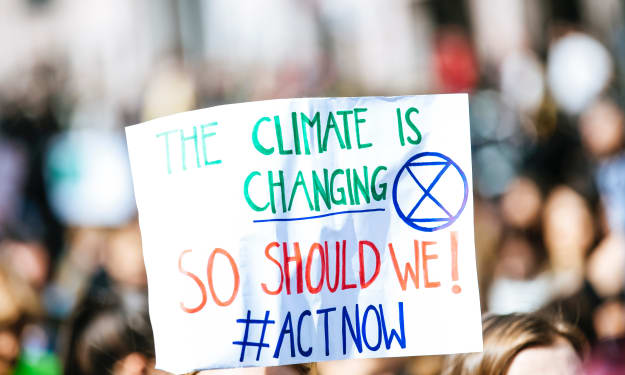
Global Summit on Climate Change
Global Summit on Climate Change Yields Historic Agreement In a historic move, world leaders from over 200 countries gathered at the Global Summit on Climate Change in 2023 to address the escalating environmental crisis. After intense negotiations, the nations reached a landmark agreement to limit global warming to 1.5 degrees Celsius above pre-industrial levels. The deal includes ambitious commitments to reduce carbon emissions, promote renewable energy sources, and enhance climate resilience. Environmentalists hail the agreement as a turning point in the fight against climate change, while skeptics raise concerns over the feasibility and implementation of the proposed measures.
By Harish Ramaiah2 years ago in Earth
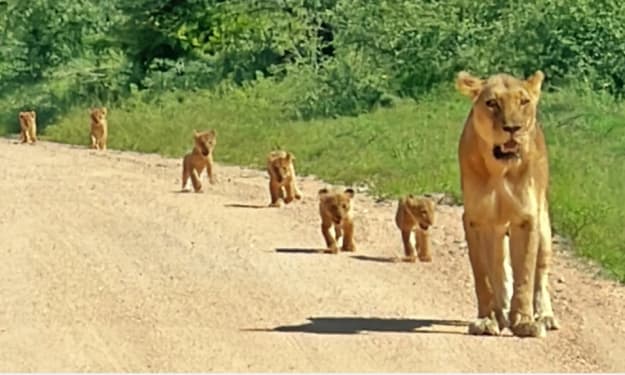
Tiny Lion Cubs Struggle To Keep Up With Mom
In the heart of the African savannah, life is a constant lesson for young animals. Few scenes are as endearing — or as heartwarming — as tiny lion cubs trying to keep pace with their mother. These little bundles of fur face a world full of challenges, from learning to hunt to avoiding dangers, all while depending on the guidance and protection of their experienced mom. Watching cubs wobble and tumble as they attempt to keep up with their mother reminds us that growing up, even in the wild, is a journey full of struggle, determination, and adorable missteps. The Early Days of Lion Cubs Lion cubs are born blind and helpless, usually in litters of two to six. For the first few weeks, they rely entirely on their mother for warmth, food, and safety. Even after opening their eyes and beginning to explore, the cubs are far from independent. The first months are crucial. Cubs learn social cues, hunting basics, and survival skills simply by watching their mother and the pride. But as anyone who has observed them knows, there’s often a huge gap between observation and action. Tiny cubs often struggle to match their mother’s pace, especially when she moves through long stretches of savannah or leads the family on patrols. A Mother’s Role in the Wild For a lioness, raising cubs is a full-time commitment. She hunts, defends her territory, and teaches her young, all while staying alert to predators such as hyenas, leopards, and even rival lions. The cubs, meanwhile, attempt to mimic her every move — often with clumsy yet charming results. A mother lion’s patience is remarkable; she frequently slows down, nudges them along, or stops to ensure no cub is left behind. These moments, while stressful for the tiny cubs, are vital learning opportunities. Struggling to Keep Up: Why It’s So Hard There are several reasons why tiny lion cubs have trouble keeping pace with their mother: Short Legs, Big Steps: Lion cubs’ legs are tiny and their coordination is limited, making it difficult to cover the same distance as an adult lioness. Curiosity: Cubs are naturally curious. A single butterfly or rustling bush can distract them, leaving mom to pause repeatedly. Energy Levels: Young lions tire quickly. Even with frequent naps, the cubs’ stamina is far lower than their mother’s. Learning Through Play: Play is not just fun; it teaches hunting, balance, and social skills. Running off to pounce on a sibling or chase an insect is all part of their education. Despite these challenges, the cubs’ determination to keep up demonstrates their resilience and growing understanding of the wild world. Lessons in Teamwork and Survival Every cub struggling to keep up is also learning crucial survival skills. The journey across the savannah is more than a test of speed — it’s a lesson in: Coordination: Cubs learn how to move efficiently across different terrains. Patience: They begin to understand the rhythms of adult life and the pace required for survival. Social Skills: Staying with the group teaches cubs how to interact with siblings and the pride, which is essential for their future roles. Observation: By following their mother, cubs study hunting techniques, territorial behavior, and predator awareness. Even the moments when cubs stumble or lag behind are essential for their development. These experiences prepare them for independence, which comes sooner than many might expect. The Cutest Moments in the Wild Anyone who has watched tiny lion cubs knows that their struggles are often irresistibly cute. Video clips from wildlife reserves frequently show cubs toddling along, tumbling over each other, or getting distracted mid-step. Observers often comment that these little stumbles reveal personality, determination, and playfulness, making them one of nature’s most heartwarming spectacles. While their mother is serious and focused, the cubs inject a sense of humor and lightness into life on the savannah. Why This Matters The struggles of lion cubs aren’t just adorable — they’re vital for understanding wildlife behavior. Conservationists and animal behaviorists use these moments to study growth patterns, social structures, and survival strategies in lion populations. These observations also highlight the importance of preserving natural habitats. Cubs must learn in a safe environment to survive; habitat loss, poaching, and climate change make these early struggles even more dangerous. Protecting the African savannah ensures that future generations of lions can experience the same lessons and playful tumbles. The Road to Independence Within a year, these tiny cubs will be more agile, faster, and more confident. By the time they reach two to three years old, males may begin to leave the pride, while females often stay and become caretakers themselves. Every misstep, tumble, and lagging moment is part of the journey toward strength, coordination, and independence. Watching them now gives us a glimpse of the challenges they will overcome, and the survival skills they will carry for life. A Celebration of Motherhood Ultimately, these scenes remind us of the incredible bond between mother and cubs. Her patience, vigilance, and teaching are the foundations of their future. The cubs’ struggles highlight the trials of growing up, while their determination showcases the resilience and beauty of wildlife. For those observing, it’s a powerful lesson in care, guidance, and perseverance, not just in lions but in the natural world as a whole. Final Thoughts Watching tiny lion cubs try to keep up with their mother is both entertaining and enlightening. It’s a story of growth, struggle, and resilience — a reminder that even the fiercest creatures start small, learning step by step. These little lions capture hearts while teaching life lessons: patience, determination, teamwork, and the importance of guidance. As they tumble and waddle across the savannah, they show us that growth is a process, one adorable misstep at a time. For wildlife enthusiasts, animal lovers, and anyone enchanted by nature, these tiny cubs are proof that even in the wild, love, care, and persistence are universal truths.
By Aarif Lashari3 days ago in Earth
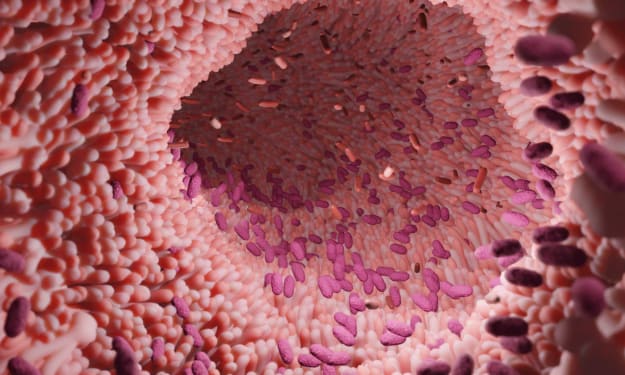
Microbiota, microbiome or microflora: how to speak correctly and why it is for health.
You've probably heard the phrase, "We are what we eat." But modern science says more precisely: we are also those who live in us. Until 2016, it was believed that there are many times more bacteria in our body than our own cells. The latest calculations by mathematicians show that we divide the body with our microorganisms by about 50/50: about 30 trillion of our cells versus 38 trillion bacterial ones.
By Yaroslav Gorohov6 days ago in Earth

Comments
There are no comments for this story
Be the first to respond and start the conversation.