
Climate Change and its Global Impact
A Call to Action
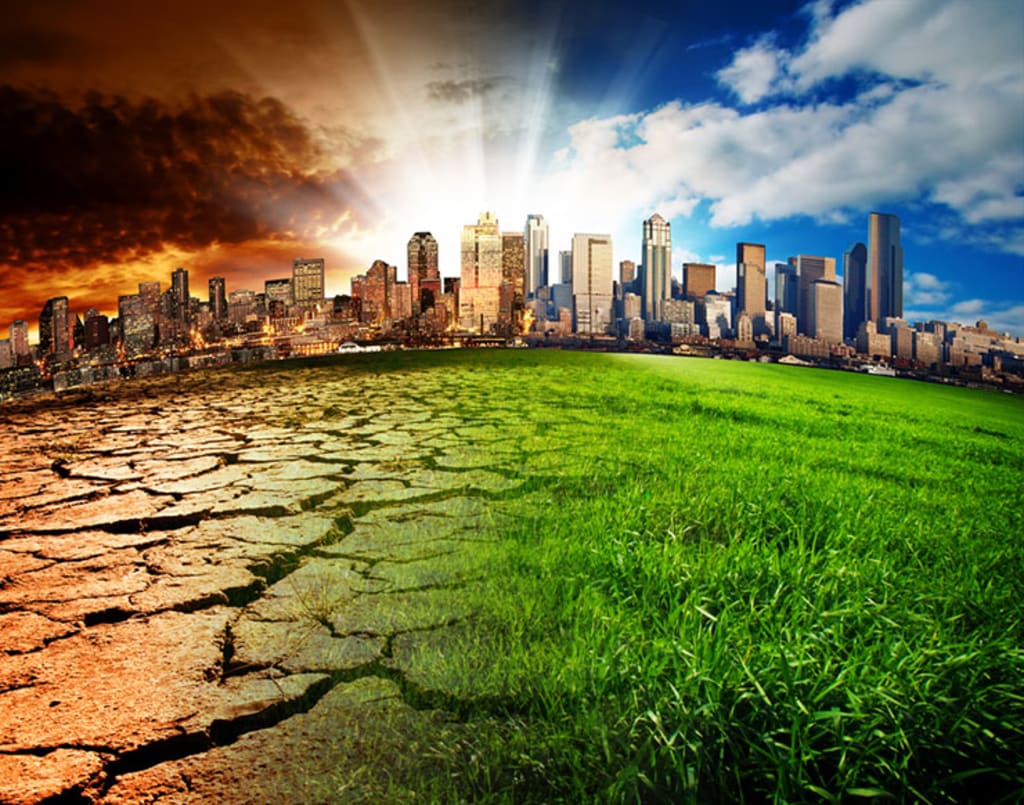
Climate change is one of the most significant challenges facing our planet today, and its impacts are far-reaching and global. The scientific community has long warned us about the dangers of climate change, but we are only just beginning to see the full extent of its effects on the environment, the economy, public health, and society at large.
At the core of the issue is the rise in global temperatures. The planet is getting warmer, and this is causing a range of negative impacts. Heat waves are becoming more frequent and severe, and this can lead to heat exhaustion, dehydration, and other heat-related illnesses. It is also causing more frequent droughts, which can lead to crop failures, water scarcity, and food insecurity in many parts of the world.
Another significant impact of climate change is rising sea levels. As the polar ice caps melt, sea levels are rising, and this is causing flooding in low-lying areas and island nations. This can cause significant damage to infrastructure, homes, and businesses, and can displace millions of people.
Climate change is also causing more frequent and severe weather events, such as hurricanes, typhoons, and tornadoes. These events can cause widespread destruction and loss of life, and they can also lead to long-term economic and social impacts.
In addition to these direct impacts, climate change is also having indirect impacts on public health. As temperatures rise, the spread of infectious diseases such as malaria and dengue fever increases, while air pollution worsens respiratory illnesses such as asthma. Extreme weather events can also cause injuries and fatalities.
The economy is also being impacted by climate change. Changes in temperature and rainfall patterns can reduce crop yields and increase the risk of pests and diseases, while rising sea levels can lead to saltwater intrusion in agricultural land, making it unsuitable for farming. These impacts can lead to food shortages and price increases, disproportionately affecting vulnerable populations.
Furthermore, climate change is also having a significant impact on society as a whole. It is causing displacement and migration, with many people forced to leave their homes due to rising sea levels, flooding, and other climate-related disasters. This can lead to social unrest, conflict, and political instability, further exacerbating the effects of climate change.
However, it is not all doom and gloom. There are many things that we can do to mitigate the effects of climate change and reduce our carbon footprint. One of the most significant ways to do this is to transition to a low-carbon economy. This involves reducing our dependence on fossil fuels and increasing our use of renewable energy sources such as wind and solar power.
Individuals can also play a significant role in reducing their carbon footprint and mitigating the effects of climate change. This can be done by making simple changes in daily life, such as reducing energy consumption at home, choosing sustainable transportation options, and reducing meat consumption. These small actions can have a significant impact when multiplied across society.
Governments and businesses also have a responsibility to take action on climate change. Governments can implement policies to reduce carbon emissions, such as carbon taxes or emissions trading schemes, and they can invest in renewable energy and sustainable infrastructure. Businesses can also play a role by reducing their carbon footprint and investing in sustainable practices, such as using renewable energy sources, reducing waste, and implementing eco-friendly production processes.
In conclusion, climate change is a global challenge that requires urgent action from individuals, governments, and businesses. We are already feeling the effects of climate change, and we must act now to mitigate its impacts and build a more sustainable future for ourselves and future generations.
About the Creator
Keep reading
More stories from writers in Earth and other communities.
Gold Soars Past $5,100 an Ounce as Silver Hits a New Record Amid Tariff and U.S. Shutdown Fears
Gold and silver are once again stealing the spotlight in global markets. Gold has surged past $5,100 an ounce, while silver has climbed to a new all-time high, reflecting growing investor anxiety over rising trade tensions and renewed fears of a potential U.S. government shutdown. These dramatic moves underline a familiar pattern: when uncertainty rises, investors often rush toward assets perceived as safe havens. The latest rally in precious metals is being driven by a mix of political instability, economic uncertainty, and concerns about the future direction of global trade and monetary policy. Together, these factors are reshaping market sentiment and pushing gold and silver to record levels. Why Gold Is Breaking Records Gold has long been viewed as a store of value during times of crisis. Its surge past $5,100 an ounce signals deep unease across financial markets. Investors are increasingly worried about the long-term consequences of aggressive trade policies, escalating tariffs, and political gridlock in Washington. Tariff disputes between major economies raise fears of slower global growth and higher inflation. When tariffs increase the cost of goods, purchasing power weakens, and confidence in traditional currencies can decline. Gold often benefits in such environments, as it is not tied to any one government or central bank. At the same time, uncertainty surrounding U.S. fiscal policy has added fuel to the rally. The risk of a government shutdown brings concerns about delayed payments, weakened public services, and broader economic disruption. For investors, gold represents stability when political systems appear fragile. Silver’s Record Run: More Than Just a Safe Haven While gold often grabs headlines, silver’s performance has been equally remarkable. Unlike gold, silver plays a dual role in global markets. It is both a precious metal and an industrial commodity, widely used in electronics, renewable energy, and manufacturing. Silver’s record-breaking rise reflects not only fear-driven buying but also optimism about long-term demand. As industries such as solar power, electric vehicles, and advanced electronics continue to grow, silver’s industrial value strengthens. When combined with its appeal as a hedge against uncertainty, silver becomes especially attractive during volatile periods. This combination of industrial demand and safe-haven appeal has helped silver outperform expectations, pushing prices to levels few analysts predicted just months ago. The Role of Tariffs in Fueling Market Anxiety Trade tariffs have emerged as a central driver behind the surge in precious metals. When governments impose or threaten new tariffs, businesses face higher costs and disrupted supply chains. These pressures often slow economic activity and create uncertainty for investors. Markets tend to react quickly to tariff announcements, pricing in the risk of inflation and reduced corporate earnings. As confidence in equities weakens, investors often shift funds toward assets like gold and silver that are less sensitive to trade disruptions. In this context, the metals rally reflects broader fears that global trade tensions could deepen, harming economic growth and destabilizing financial markets. U.S. Shutdown Fears Add to Safe-Haven Demand The prospect of a U.S. government shutdown has further unsettled investors. Shutdowns disrupt federal operations, delay economic data releases, and weaken confidence in political leadership. Even short shutdowns can have ripple effects across markets. For international investors, political dysfunction in the world’s largest economy raises questions about fiscal discipline and long-term stability. These concerns often lead to increased demand for gold, which is viewed as a neutral asset unaffected by domestic political struggles. Silver, though more volatile than gold, often follows the same trend during periods of heightened uncertainty. Central Banks and the Precious Metals Boom Another important factor behind rising gold and silver prices is central bank behavior. Many central banks have been increasing their gold reserves in recent years, seeking to diversify away from the U.S. dollar and reduce exposure to geopolitical risk. When central banks buy gold, it sends a strong signal to markets. It reinforces gold’s role as a strategic asset and supports higher prices. This institutional demand adds another layer of support to the current rally. At the same time, expectations around interest rates continue to influence precious metals. Lower or stable interest rates reduce the opportunity cost of holding non-yielding assets like gold and silver, making them more attractive to investors. What This Means for Investors The surge in gold and silver highlights how sensitive markets have become to political and economic uncertainty. While rising prices can present opportunities, they also come with risks. Precious metals can be volatile, and sharp gains are sometimes followed by sudden corrections. For long-term investors, gold and silver are often seen as portfolio diversifiers rather than primary growth assets. Their value lies in providing balance during turbulent times, not necessarily in delivering consistent returns. Short-term traders, meanwhile, are closely watching political developments, trade negotiations, and fiscal decisions, knowing that headlines alone can move prices significantly. Looking Ahead: Will the Rally Continue? Whether gold and silver can maintain their record levels depends largely on how current uncertainties unfold. If tariff tensions ease and political stability improves, some of the safe-haven demand could fade. However, if uncertainty persists—or worsens—precious metals may remain well supported. What’s clear is that gold and silver are once again playing a central role in global markets, reflecting deeper concerns about economic resilience and political stability. Final Thoughts Gold’s surge past $5,100 an ounce and silver’s record-breaking rally are more than just market milestones—they are signals of widespread unease. Tariff fears, political gridlock, and global uncertainty are reshaping investor behavior, pushing money toward assets that have historically offered protection in turbulent times. As markets navigate these challenges, precious metals remain a powerful reminder that confidence, trust, and stability still matter deeply in the global financial system.
By Muhammad Hassana day ago in Earth
US to Transfer Islamic State Prisoners from Syria to Iraq
The United States has announced plans to transfer Islamic State (IS) prisoners currently held in Syria to Iraq, marking a significant development in ongoing counterterrorism operations. The move aims to enhance regional security, ensure proper detention, and facilitate judicial processes for individuals captured during operations against IS in Syria and Iraq.
By Aarif Lashari4 days ago in Earth


Comments
There are no comments for this story
Be the first to respond and start the conversation.