
Climate Change: Adapting Green Practices to a Changing World
Adapting Gardens to Climate Change: Building Resilience for a Greener Future

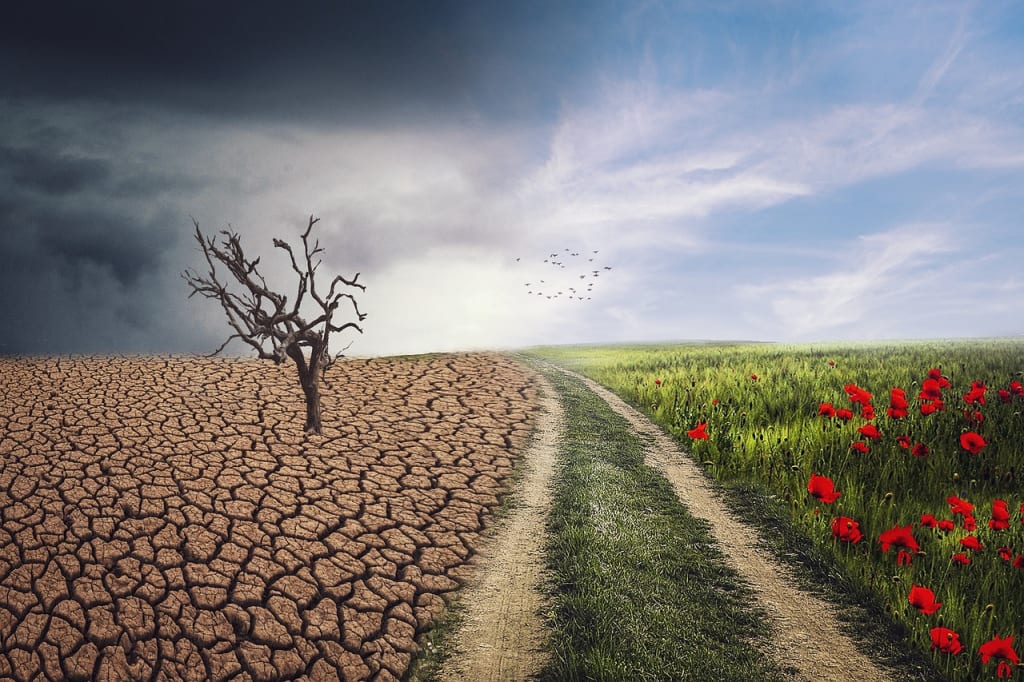
Climate change is already impacting gardens and landscapes around the world. From shifts in growing zones to weather extremes, gardeners today face new challenges. However, we also have an opportunity to adapt. By implementing climate-smart gardening practices, we can create landscapes resilient to climate change. This will take education, innovation, and collective responsibility across gardening communities. But the potential environmental benefits make it a goal worth pursuing.
Understanding Climate Change Impacts on Gardening
Climate change doesn't just mean higher temperatures overall. It disrupts historic weather patterns and increases extreme events like droughts, floods, and heat waves. This directly impacts what we can grow and how we grow it. Hardy planting zones are shifting poleward. Warm-season vegetables can be grown further north, while cool-weather crops like cabbage or kale may fail in their traditional zones. Growing seasons start earlier in spring and extend longer into fall. While a longer growing season sounds great, it also means exposure to late spring frosts and other unpredictable weather.
Invasive pests and diseases are also on the move. Their ranges are expanding due to climate change. And native plants aren't equipped to deal with them. Heat and drought stress make plants even more vulnerable. At the same time, climate change is causing freshwater scarcity in many regions. So water-efficient gardening practices are crucial. The challenges are real, but solutions exist.
Adapting Gardening Techniques for Climate Resilience
Choosing regionally-native plants or adapted cultivars is one of the best defenses against climate extremes. Native plants are accustomed to local conditions and support native wildlife too. New cultivars of popular garden plants are continually bred to be drought, pest, and disease resistant. So check for varieties optimized for your changed climate.
Sustainable gardening techniques like composting and mulching will also build soil health and water retention. Healthy soil is the foundation for resilient plants. Compost, mulch, and smart watering practices reduce waste and runoff. Companion planting promotes diversity and natural pest control. The right plant combinations can help repel pests, attract pollinators, and strengthen plants against stress.
Speaking of smart watering, collect rain in barrels and cisterns to irrigate when needed. Drip irrigation and soaker hoses deliver water right to plants' roots. Unlike sprinklers, they don't waste water through evaporation or runoff. We can also create microclimates to extend the growing season. Strategically placed greenhouses, cold frames, and shade structures modify exposure to sun, wind, and cold. This allows us to grow plants that might not thrive in the exposed garden.
Gardening Communities and Climate Action
By sharing knowledge and pooling resources, gardening communities amplify their climate resilience. Community gardens let urban residents enjoy the benefits of gardening and build local food security. Working together also creates hubs for exchanging climate-adaptive plants and techniques. Outreach to educate all gardeners is equally essential—for example, workshops demonstrating water-wise gardening or events highlighting regionally-adapted plant varieties.
Master Gardeners and others can also use their influence as ambassadors for climate-conscious gardening. Getting involved in local advocacy broadens the impact beyond our own backyards. With their hands-on experience, gardeners make authentic voices urging climate action at community, corporate, and government levels.
Gardening for Biodiversity and Ecosystem Restoration
Gardens sustain more than humans. We have the opportunity to aid ecosystems stressed by climate change. Choosing native plants and creating habitats for insects, birds, and other wildlife supports biodiversity. Beautiful pollinator-friendly gardens benefit the planet as well as future harvests. Allow leaf litter to shelter beneficial insects that keep pests in check. Plant species that host butterfly and moth caterpillars while feeding adult pollinators. Welcome birds who eat harmful insects and spread seeds.
Urban gardens have a broad influence too. They filter air pollution, reduce stormwater runoff, cool temperatures, and absorb carbon. Even small gardens make a positive difference, especially when multiplied across cities. Urban farms and community gardens also provide green jobs and promote sustainability.
Climate-Smart Gardening: The Future of Horticulture
While individual gardeners can make an impact, institutional changes are essential to scale climate-smart gardening. Emerging technologies like smart irrigation monitors and AI-assisted forecasting optimize water and nutrient use. Researchers are also accelerating the breeding of climate-adapted plants, including edibles. Genetic advances help create productive, resilient gardens and farms.
Policy-level involvement will accelerate the widespread adoption of sustainable techniques. Local governments can provide climate-gardening education and incentives for switching to green infrastructure. Federal initiatives like USDA hardiness zone updates help steer horticultural industries toward plants adapted to the changing climate.
Conclusion
The climate crisis demands that gardeners rethink conventional practices. But this also creates chances to spread climate-conscious gardening. Gardeners are perfectly positioned to demonstrate as well as advocate adaptation. Climate-smart gardening is necessary and can actively remove carbon from the air. Our gardens can mitigate climate change with creativity and purpose rather than just cope with it. The future depends on gardening communities embracing this goal now. By working together, gardeners have immense power to sculpt sustainable landscapes.
About the Creator
Stephen Webb
Stephen Webb, a seasoned gardening consultant with 20+ years of expertise, is also a devoted writer, sharing his insights and expertise through the written word on Garden's Whisper and Simple Spaces.
Keep reading
More stories from Stephen Webb and writers in Earth and other communities.
Reducing Your Garden's Carbon Footprint: Climate-Conscious Gardening Practices
With climate change being one of the most pressing issues facing our world today, it's clear that we all need to take steps to reduce our environmental impact. For gardeners, there are many ways we can adopt more sustainable practices that are kinder to the planet. By understanding our garden's carbon footprint and implementing climate-friendly techniques, we can make a real difference in mitigating climate change while still enjoying all the benefits of home gardening.
By Stephen Webb3 years ago in Earth
Flooding wetlands in an effort to combat climate change could backfire.
Despite making up a fairly small portion of the planet's surface area, wetlands store a disproportionate amount of carbon on land. Wetland soil disturbance can release massive volumes of greenhouse gases, which is why they are at the centre of climate debates.
By Francis Dami3 days ago in Earth
Rachel Reeves Delivers ‘Killer Blow’ to UK’s Most-Loved Place Tomorrow – Has It Gone Too Far?
The UK is bracing for a major policy announcement from Chancellor Rachel Reeves that critics have described as a potential “killer blow” to what many call one of Britain’s most-loved national features. While supporters argue the move is necessary for economic stability and modernization, critics warn it could damage businesses, communities, and cultural identity.
By Aarif Lashari6 days ago in Earth
Feelings Never Die
It is Valentine's Day again, and it bought back memories that were over fifty years old. It bought me back to 1971, and I woke up and I knew my baby was due today. I was big and pregnant, and I felt like I was about to burst wide open. Imagine my surprise when the doctor told my I had a due date of February 14. I couldn't believe it, and since my baby was due today, I felt I could indulge myself a bit. I had gained a lot of weight, and chocolate was on the no-no list, but I had came to the end of this pregnancy, and I hoped it would be okay, after all I would deliver this baby today. So I walked across the street to the grocery story, and bought myself, a peppermint patty, covered in chocolate, my favorite. Me and my Valentine's baby would enjoy it together.
By Susan Paytona day ago in Fiction


Comments
There are no comments for this story
Be the first to respond and start the conversation.