


Climate change is one of the most pressing issues of our time, with its devastating effects being felt across the globe. It refers to long-term changes in global temperatures, precipitation patterns, sea levels, and weather events caused by human activities, particularly the burning of fossil fuels and deforestation.
The consequences of climate change are already being felt. Rising global temperatures have caused sea levels to rise, leading to more frequent and intense flooding in coastal regions. Droughts and heatwaves are becoming more common, leading to crop failures and water shortages. Wildlife habitats are being destroyed, leading to the extinction of species. Extreme weather events such as hurricanes, typhoons, and wildfires are becoming more frequent and severe, causing significant damage to property and infrastructure.
The scientific consensus on the reality of climate change is overwhelming. The Intergovernmental Panel on Climate Change (IPCC) has found that global temperatures have increased by 0.85°C since the late 19th century, and that this warming is largely caused by human activities such as burning fossil fuels and deforestation. The IPCC predicts that global temperatures could rise by as much as 4.8°C by the end of the century if emissions continue to rise at current rates.
The impacts of climate change are not distributed equally. The most vulnerable populations, including low-income communities, indigenous peoples, and small island nations, are the most likely to suffer the worst effects of climate change. These populations often lack the resources and infrastructure to cope with the impacts of extreme weather events, droughts, and rising sea levels.
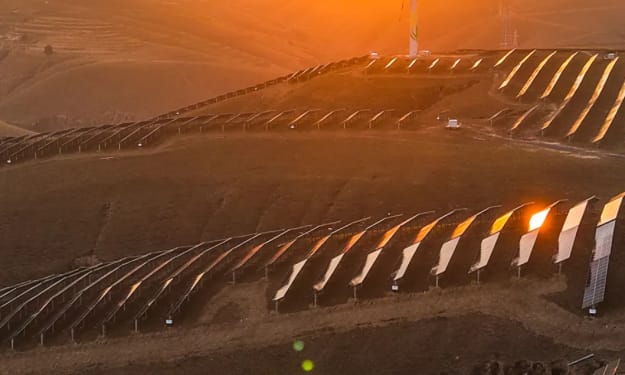
There are several ways to mitigate the impacts of climate change. One of the most effective is to reduce greenhouse gas emissions. This can be done by shifting away from fossil fuels and towards renewable energy sources such as wind and solar power. Governments can also take steps to reduce deforestation and promote reforestation, which helps to sequester carbon dioxide from the atmosphere. Another key strategy is to increase energy efficiency and reduce waste in industry, transportation, and buildings.
There are also steps that individuals can take to reduce their carbon footprint. These include driving less, using public transportation, biking, or walking instead of driving. Reducing meat consumption and choosing plant-based diets can also help reduce greenhouse gas emissions. Using energy-efficient appliances, turning off lights when not in use, and reducing water use can also help reduce the carbon footprint of individuals.
It is important to recognize that climate change is a global problem that requires global cooperation. The Paris Agreement, signed in 2015, is a landmark international agreement aimed at reducing greenhouse gas emissions and limiting global temperature rise to well below 2°C above pre-industrial levels. Countries around the world have committed to reducing their emissions and working together to address the impacts of climate change.
Despite these efforts, there are still significant challenges to addressing climate change. Political leaders and policymakers must prioritize climate action and work together to implement effective solutions. The transition to a low-carbon economy will require significant investments in renewable energy, energy efficiency, and other clean technologies. It will also require political will and cooperation to address the economic, social, and political barriers to climate action.
In conclusion, climate change is one of the greatest challenges facing our world today. The impacts of climate change are already being felt and will only get worse without urgent action to reduce greenhouse gas emissions and address the root causes of the problem. It is essential that individuals, businesses, and governments work together to mitigate the impacts of climate change and transition to a low-carbon economy. By working together, we can create a more sustainable future for ourselves and for future generations.
About the Creator
Keep reading
More stories from writers in Earth and other communities.
The AI Boom Will Increase U.S. Carbon Emissions—But It Doesn’t Have to
Artificial intelligence is reshaping the U.S. economy at a breathtaking pace. From generative AI tools and cloud computing to data-driven healthcare and finance, the AI boom promises productivity gains, innovation, and economic growth. But beneath this technological optimism lies a growing concern: AI is energy-hungry, and without intervention, it could significantly increase U.S. carbon emissions.
By Muhammad Hassan5 days ago in Earth
Global Dishwasher Market Size and Forecast 2025–2033: Smart Kitchens Drive a Quiet Revolution
Introduction: From Luxury to Everyday Essential Once seen as a luxury appliance reserved for high-income households, the dishwasher has now become a symbol of modern living and convenience. As global lifestyles grow increasingly fast-paced, consumers are prioritizing time-saving, hygienic, and energy-efficient solutions in their homes. The dishwasher, long underestimated in many regions, is now undergoing a global transformation—moving from optional convenience to kitchen necessity.
By Sushant. Renub Research6 days ago in Earth



Comments
There are no comments for this story
Be the first to respond and start the conversation.