
Title: Understanding the Urgency and Impact of Climate Change
Introduction:
Climate change has emerged as one of the most pressing global challenges of our time. It refers to long-term shifts in weather patterns and average temperatures across the planet, primarily driven by human activities. The scientific consensus is clear: climate change is real, and it poses severe threats to ecosystems, human societies, and future generations. In this article, we will explore key facts about climate change to deepen our understanding of its urgency and impact.
Rising Temperatures:
Over the past century, the Earth's average surface temperature has risen by approximately 1 degree Celsius (1.8 degrees Fahrenheit). This increase may seem small, but it has far-reaching consequences. Extreme heatwaves are becoming more frequent and intense, leading to heat-related illnesses and deaths. Rising temperatures also contribute to the melting of polar ice caps and glaciers, causing sea levels to rise.
Melting Ice:
The melting of ice in the polar regions, including the Arctic and Antarctic, is a stark manifestation of climate change. The Arctic sea ice is shrinking at an alarming rate, impacting the habitats of various species such as polar bears and walruses. Moreover, the loss of reflective ice surfaces amplifies global warming as less sunlight is reflected back into space, leading to a further increase in temperatures.
Sea Level Rise:
As temperatures rise, glaciers and ice sheets melt, causing seawater to expand and sea levels to rise. This poses a significant threat to coastal communities and low-lying islands, which are vulnerable to flooding and erosion. By the end of the century, conservative estimates project a sea level rise of about 0.3 to 1 meter (1 to 3 feet). This could displace millions of people and submerge coastal cities.
Extreme Weather Events:
Climate change
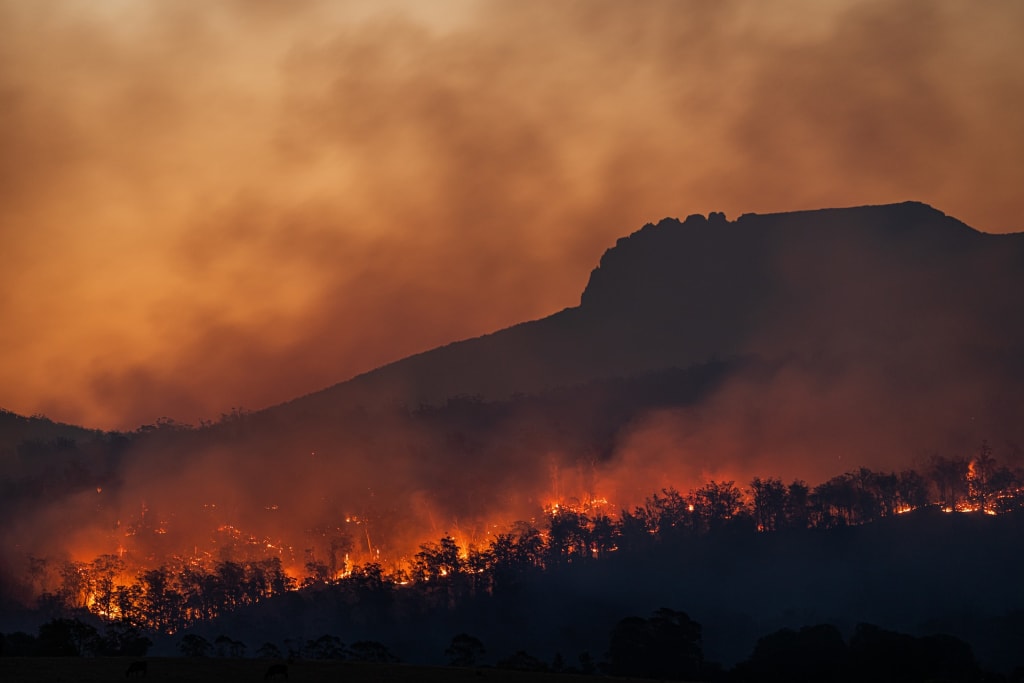
intensifies extreme weather events such as hurricanes, droughts, and wildfires. Warmer ocean temperatures provide more energy to fuel hurricanes, making them more powerful and destructive. Droughts become more severe, leading to water shortages, crop failures, and food insecurity. Additionally, higher temperatures and drier conditions increase the risk of wildfires, endangering lives, property, and ecosystems.
Ocean Acidification:
The increase in atmospheric carbon dioxide (CO2) from burning fossil fuels is not only warming the planet but also causing ocean acidification. The oceans absorb a significant portion of the excess CO2, resulting in a chemical reaction that lowers seawater pH. This poses a threat to marine life, especially organisms such as corals, shellfish, and plankton, which rely on carbonate ions to build their shells and skeletons. The weakening of these foundational species disrupts entire marine ecosystems.
Biodiversity Loss:
Climate change is a major driver of biodiversity loss. As habitats change rapidly, many species struggle to adapt or migrate to suitable environments. This leads to reduced biodiversity and ecological imbalance. Coral reefs, tropical rainforests, and Arctic ecosystems are particularly vulnerable. The loss of biodiversity not only impacts ecosystems' stability but also threatens valuable resources that humans rely on, such as clean water, food, and medicines.
Health Impacts:
Climate change has significant implications for human health. Rising temperatures contribute to the spread of infectious diseases, such as malaria and dengue fever, as disease-carrying mosquitoes expand their ranges. Heatwaves increase the risk of heatstroke, dehydration, and cardiovascular and respiratory illnesses. Additionally, extreme weather events and natural disasters can result in injuries, displacement, and mental health challenges.
Economic Consequences:
The economic ramifications of climate change are substantial. The costs associated with extreme weather events, adaptation measures, and loss of productivity in affected sectors can be staggering. Agricultural yields may decline due to changing rainfall patterns and increased pests, leading to food price.
thank you
About the Creator
Keep reading
More stories from HOLAREH TV and writers in Earth and other communities.
Facts about Desert
Did you know that the Sahara Desert in Africa is the largest hot desert in the world? It covers an area of approximately 9.4 million square kilometers (3.6 million square miles), which is roughly equivalent to the size of the United States or China. Despite its arid conditions.
By HOLAREH TV3 years ago in Earth
Hottest in the Office
Dear Rafi, You’re very distracting to work around. For the first second I saw you the other day, I thought you were some type of executive. It took a moment to realize no, you were just the new guy, dressed up for the job he wants. Be still, my heart.
By Gabriel Shames4 days ago in Pride




Comments
There are no comments for this story
Be the first to respond and start the conversation.