
Choosing the Ideal Size for a Wood Charcoal Manufacturing Machine
Finding the Right Fit
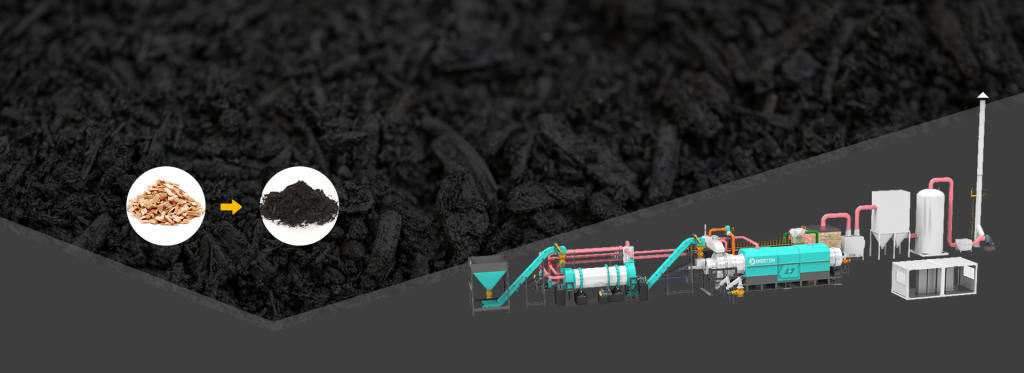
The size of a wood charcoal manufacturing machine plays a critical role in determining its output capacity, energy consumption, and overall efficiency. As the demand for sustainable energy sources grows, businesses are looking for machines that can not only produce high-quality charcoal but also fit seamlessly into their production spaces. These machines come in a variety of sizes, from small-scale units for local use to large, industrial-scale systems designed for continuous operation and mass production.
Compact wood charcoal machines are typically used by small businesses, farms, or startups aiming to produce charcoal on a limited scale. These models usually occupy a modest footprint, are easier to transport and install, and require less investment compared to their industrial counterparts. They’re ideal for locations with limited space or for operations that are just beginning to explore biomass-to-energy solutions. Despite their smaller size, these machines are still capable of producing high-quality charcoal using a batch carbonization process, making them suitable for niche markets or customized production needs.
On the other hand, large-scale wood charcoal manufacturing machine is designed for heavy-duty use and continuous production. These machines feature a fully enclosed, automated carbonization system that can process several tons of wood per day. Due to their size and complexity, they often require a dedicated plant area for installation, including space for raw material storage, pre-treatment equipment like crushers and dryers, and emissions control systems. The dimensions can vary significantly depending on the model and output requirements, but a typical industrial charcoal plant might occupy several hundred to thousands of square meters. These machines are ideal for enterprises engaged in commercial charcoal production or integrated biomass utilization projects.
The size of the machine also influences its energy efficiency and output quality. Larger systems tend to have advanced heat recovery designs that reuse combustible gases generated during the carbonization process. This not only reduces fuel costs but also minimizes environmental impact. Additionally, a well-designed large-scale machine ensures consistent temperature control and even carbonization, resulting in uniform, high-calorific value charcoal suitable for various industrial applications.
When selecting the appropriate size of a wood charcoal manufacturing machine, businesses must consider their production goals, available space, budget, and the nature of their raw materials. For instance, denser woods require more processing power and longer carbonization time, which may influence the machine size and configuration. Some manufacturers also offer modular designs, allowing companies to scale up operations by adding more units over time. This flexibility is especially useful for growing businesses that need to adapt to changing market demands without overhauling their entire production line.
Ultimately, choosing the right size of a wood charcoal machine is about finding the perfect balance between capacity, efficiency, and investment. Whether for small-scale artisanal use or large industrial output, the right machine size ensures smooth operation, sustainable production, and a solid return on investment in the booming biomass energy sector.
In addition, the size of the machine also affects environmental compliance and regulatory considerations. Industrial-sized charcoal plants must often adhere to stricter emissions standards and may need to incorporate sophisticated flue gas purification systems, such as condensers, de-dusting towers, or activated carbon filters. These additional systems ensure that the plant minimizes its environmental footprint, which is increasingly important as governments and communities place more emphasis on sustainable and responsible production practices. Smaller machines, while also subject to regulations, generally produce less smoke and emissions and can be more easily adapted to meet local environmental requirements. Whether small or large, selecting a machine that aligns with both operational and environmental goals is key to maintaining a sustainable and legally compliant business in the wood charcoal industry.
In summary, small-scale wood charcoal machines are ideal for startups, farms, and localized production where flexibility, low capital investment, and ease of operation are priorities. Meanwhile, large-scale machines suit established enterprises that require continuous production, advanced automation, and higher volumes.
For any business, it's essential to perform a thorough analysis of production needs, space constraints, and future scalability. Partnering with a reliable manufacturer who offers customization and after-sales support can further enhance the return on investment and ensure that the machine evolves along with the business.
Would you like help turning this into a full blog article or product guide with section headers, visuals, or a call-to-action?
About the Creator
A building's lifetime climate impact is mostly determined by its daily energy use.
The majority of a building's climate impact is not caused by its construction. As the heating, lighting, and ventilation systems continue to function year after year, it gradually accumulates.
By Francis Dami3 days ago in Earth
Workers Recover 15,000 Crabs After Lorry Crashes Into Field
An extraordinary scene unfolded when a lorry carrying an estimated 15,000 live crabs crashed into a field, spilling its cargo across farmland and prompting a large-scale recovery effort. The unusual accident quickly drew attention from local residents, emergency services, and animal welfare groups, as workers scrambled to rescue as many crabs as possible before they succumbed to exposure.
By Aarif Lashari4 days ago in Earth




Comments
There are no comments for this story
Be the first to respond and start the conversation.