
Chardham Yatra: A Sacred Pilgrimage through the Himalayas
Chardham Yatra

The Chardham Yatra is one of the most revered and spiritual journeys in India, attracting thousands of pilgrims and adventure seekers every year. This sacred pilgrimage takes you to four of the holiest shrines nestled in the majestic Himalayas of Uttarakhand: Yamunotri, Gangotri, Kedarnath, and Badrinath. These four pilgrimage sites are collectively known as the Chardham, and they hold immense religious significance for Hindus. The journey to these sites is not only a spiritual odyssey but also an opportunity to immerse oneself in the serene and stunning beauty of the Himalayan region.
While the pilgrimage is steeped in religious importance, it is also an adventure that offers mesmerizing views of snow-capped peaks, lush valleys, and scenic landscapes. Undertaking the Chardham Yatra Package ensures a hassle-free experience with all logistical aspects taken care of, allowing you to focus solely on your spiritual journey.
In this article, we will explore the significance of the Chardham Yatra, the best time to go, the details of the pilgrimage route, and the reasons why opting for a Chardham Yatra Package is the most convenient way to experience this life-changing journey.
The Significance of the Chardham Yatra
The Chardham Yatra is not just a journey through the physical landscape but also through the soul. The four holy sites that make up the Chardham—Yamunotri, Gangotri, Kedarnath, and Badrinath—each have deep religious significance and are integral to Hindu beliefs.
Yamunotri: Yamunotri is the first stop on the Chardham Yatra. The temple dedicated to Goddess Yamuna, the sister of Yama, the god of death, stands at an altitude of 3,293 meters (10,804 feet) in the Garhwal Himalayas. It is believed that a dip in the holy waters of the Yamuna River cleanses one from sins and provides protection from untimely death. The shrine also marks the source of the Yamuna River, a major tributary of the Ganges.
Gangotri: Gangotri is the second stop on the Chardham Yatra. It is the origin of the sacred Ganges River, where the goddess Ganga descended to Earth to purify the sins of King Bhagirath’s ancestors. Pilgrims visit Gangotri to seek divine blessings and take a holy dip in the Ganges. The temple is located at an altitude of 3,048 meters (10,000 feet) and is surrounded by towering mountains and lush forests, providing a peaceful environment for devotees.
Kedarnath: Kedarnath is the third stop on the Chardham Yatra and holds significant importance as one of the 12 Jyotirlingas of Lord Shiva. Located at an altitude of 3,584 meters (11,760 feet), the temple is surrounded by snow-capped peaks and is one of the most difficult pilgrimages to undertake due to its high altitude and rugged terrain. The temple, dedicated to Lord Shiva, is believed to be built by the Pandavas, the heroes of the Mahabharata. Pilgrims come here to seek blessings for spiritual salvation.
Badrinath: Badrinath, the final stop of the Chardham Yatra, is dedicated to Lord Vishnu and is located at an altitude of 3,133 meters (10,279 feet). The temple is one of the 108 divya desams (sacred shrines of Vishnu) and is revered as one of the holiest places for Hindus. The temple is located near the banks of the Alaknanda River, surrounded by the scenic Neelkanth Peak, which adds to the divine charm of the place. Devotees visit Badrinath to seek blessings and attain moksha (liberation from the cycle of life and death).
Each of these four temples is not only significant in religious terms but also offers an incredible opportunity to witness the natural beauty of the Himalayas. Together, the Chardham temples form the ultimate spiritual pilgrimage for Hindus, and visiting them is believed to purify the soul and lead to salvation.
Best Time to Undertake the Chardham Yatra
The Chardham Yatra can be undertaken at any time of the year, but the best time to visit is during the summer months (May to June) and autumn (September to October). Here’s a breakdown of what you can expect from each season:
Summer (May to June): The summer months are the most popular time for the Chardham Yatra, as the weather is pleasant, with temperatures ranging between 15°C and 25°C. The temples are open to pilgrims, and the trek routes are accessible. This is considered the peak season for the yatra, and you will find plenty of other pilgrims undertaking the journey during this time.
Monsoon (July to August): The monsoon season should be avoided for the Chardham Yatra due to the increased risk of landslides, floods, and slippery trekking paths. The trails become treacherous, and access to some areas might be restricted due to heavy rainfall.
Autumn (September to October): This is another ideal time to undertake the Chardham Yatra, as the weather is clear and the temperatures are moderate, ranging between 10°C and 20°C. The landscape becomes lush and green after the monsoon, and the views are spectacular. The temples are open, and the crowds are fewer compared to the summer months.
Winter (November to April): Winter is not the most favorable time for the Chardham Yatra, as temperatures can drop significantly, and heavy snow can make the trekking routes dangerous. The temples usually remain closed during the peak winter months of December and January due to extreme weather conditions.
The Route of the Chardham Yatra
The Chardham Yatra begins in Haridwar or Rishikesh and takes you on a circuit through the four temples. Here is a brief overview of the Yatra route:
Day 1: Start your journey from Haridwar or Rishikesh, heading towards Yamunotri. The distance from Haridwar to Yamunotri is around 220 km, and you will travel by road, passing through scenic landscapes, villages, and forested hills.
Day 2: Arrive at Yamunotri and perform your spiritual rituals, including a dip in the Yamuna River. The temple is about 5 kilometers from the nearest roadhead, and pilgrims can either trek or take a pony or palki to the temple.
Day 3: From Yamunotri, proceed to Gangotri, a distance of approximately 250 kilometers. The journey takes you through picturesque valleys, mountain streams, and small towns. Arrive at Gangotri and visit the temple to pay homage to Goddess Ganga.
Day 4: From Gangotri, continue your journey to Kedarnath, which is around 250 kilometers away. The route to Kedarnath takes you through forests, villages, and dramatic landscapes. You can reach the temple either by helicopter, pony, or by trekking the challenging 16-kilometer route from Gaurikund.
Day 5: After visiting Kedarnath, head towards Badrinath, which is about 230 kilometers from Kedarnath. On the way, you can witness the stunning beauty of the Alaknanda River and the Neelkanth Peak.
Day 6: Arrive at Badrinath, and after paying your respects at the Badrinath Temple, you can visit nearby attractions like Mana Village, the last village on the Indian border.
Day 7: After completing the Chardham Yatra, return to Haridwar or Rishikesh for departure.
Why Opt for a Chardham Yatra Package?
While the Chardham Yatra can be undertaken independently, opting for a Chardham Yatra Package offers several benefits that make the journey smoother, more comfortable, and spiritually fulfilling. Here’s why choosing a Chardham Yatra Package is the best option:
Convenience: A Chardham Yatra Package takes care of all the logistical aspects of the journey, including transportation, accommodation, meals, and permits. This means you don’t have to worry about planning every detail, allowing you to focus entirely on your spiritual experience.
Expert Guidance: A package typically includes experienced guides who are well-versed in the history and significance of the temples and the region. Their knowledge helps deepen your understanding of the religious aspects of the pilgrimage.
Safety and Comfort: A Chardham Yatra Package ensures your safety by providing comfortable transportation, qualified drivers, and safe trekking routes. Additionally, the package includes quality accommodations and meals to ensure your well-being throughout the journey.
Spiritual Support: The Yatra is not just a physical journey but a spiritual one as well. With a Chardham Yatra Package, you can join a group of like-minded individuals, offering opportunities for spiritual discussions and support. The presence of a guide ensures you are spiritually nurtured throughout the journey.
Peace of Mind: When you book a Chardham Yatra Package, you can rest assured that everything will be taken care of, from booking accommodations to securing permits. This eliminates stress and allows you to focus fully on your pilgrimage.
Conclusion
The Chardham Yatra is a transformative experience that takes you to the heart of the Indian Himalayas, connecting you with the divine and offering the chance to witness the natural splendor of Uttarakhand. With the spiritual significance of Yamunotri, Gangotri, Kedarnath, and Badrinath, the Yatra offers a life-changing journey for every pilgrim. By opting for a Chardham Yatra Package, you ensure a seamless and safe pilgrimage, making your journey to these sacred sites more enjoyable and spiritually enriching. Embark on this sacred pilgrimage and experience the harmony between nature and spirituality in the divine Himalayas.
About the Creator
Keep reading
More stories from Shubu 1128 and writers in Earth and other communities.
Chardham Yatra Package: A Sacred Pilgrimage to the Heart of Uttarakhand
The Chardham Yatra Package is a once-in-a-lifetime opportunity to explore the spiritual richness and breathtaking beauty of Uttarakhand’s four holiest destinations—Yamunotri, Gangotri, Kedarnath, and Badrinath. This package provides pilgrims with an organized and seamless journey to these revered sites nestled in the serene Himalayas. Whether you seek spiritual enlightenment, a rejuvenating escape into nature, or a cultural exploration, the Chardham Yatra offers a holistic experience that connects the body, mind, and soul.
By Shubu 1128about a year ago in Chapters
How Much Do You Need in an ISA for a Passive Income That Beats the State Pension?
For many people in the UK, the State Pension is expected to form the backbone of retirement income. But with rising living costs and growing uncertainty about the future, more savers are asking a crucial question: Can I build a passive income that beats the State Pension — and how much would I need in an ISA to do it?
By Aarif Lashari4 days ago in Earth
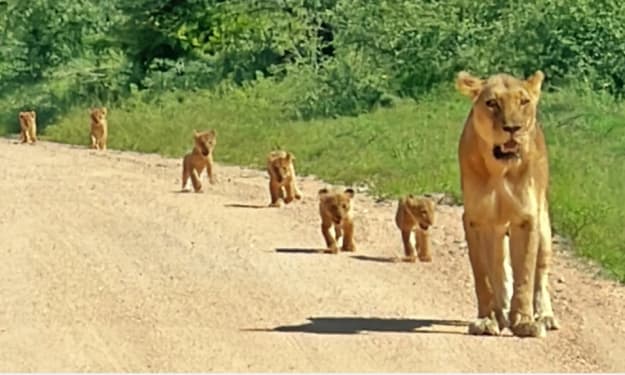
Tiny Lion Cubs Struggle To Keep Up With Mom
In the heart of the African savannah, life is a constant lesson for young animals. Few scenes are as endearing — or as heartwarming — as tiny lion cubs trying to keep pace with their mother. These little bundles of fur face a world full of challenges, from learning to hunt to avoiding dangers, all while depending on the guidance and protection of their experienced mom. Watching cubs wobble and tumble as they attempt to keep up with their mother reminds us that growing up, even in the wild, is a journey full of struggle, determination, and adorable missteps. The Early Days of Lion Cubs Lion cubs are born blind and helpless, usually in litters of two to six. For the first few weeks, they rely entirely on their mother for warmth, food, and safety. Even after opening their eyes and beginning to explore, the cubs are far from independent. The first months are crucial. Cubs learn social cues, hunting basics, and survival skills simply by watching their mother and the pride. But as anyone who has observed them knows, there’s often a huge gap between observation and action. Tiny cubs often struggle to match their mother’s pace, especially when she moves through long stretches of savannah or leads the family on patrols. A Mother’s Role in the Wild For a lioness, raising cubs is a full-time commitment. She hunts, defends her territory, and teaches her young, all while staying alert to predators such as hyenas, leopards, and even rival lions. The cubs, meanwhile, attempt to mimic her every move — often with clumsy yet charming results. A mother lion’s patience is remarkable; she frequently slows down, nudges them along, or stops to ensure no cub is left behind. These moments, while stressful for the tiny cubs, are vital learning opportunities. Struggling to Keep Up: Why It’s So Hard There are several reasons why tiny lion cubs have trouble keeping pace with their mother: Short Legs, Big Steps: Lion cubs’ legs are tiny and their coordination is limited, making it difficult to cover the same distance as an adult lioness. Curiosity: Cubs are naturally curious. A single butterfly or rustling bush can distract them, leaving mom to pause repeatedly. Energy Levels: Young lions tire quickly. Even with frequent naps, the cubs’ stamina is far lower than their mother’s. Learning Through Play: Play is not just fun; it teaches hunting, balance, and social skills. Running off to pounce on a sibling or chase an insect is all part of their education. Despite these challenges, the cubs’ determination to keep up demonstrates their resilience and growing understanding of the wild world. Lessons in Teamwork and Survival Every cub struggling to keep up is also learning crucial survival skills. The journey across the savannah is more than a test of speed — it’s a lesson in: Coordination: Cubs learn how to move efficiently across different terrains. Patience: They begin to understand the rhythms of adult life and the pace required for survival. Social Skills: Staying with the group teaches cubs how to interact with siblings and the pride, which is essential for their future roles. Observation: By following their mother, cubs study hunting techniques, territorial behavior, and predator awareness. Even the moments when cubs stumble or lag behind are essential for their development. These experiences prepare them for independence, which comes sooner than many might expect. The Cutest Moments in the Wild Anyone who has watched tiny lion cubs knows that their struggles are often irresistibly cute. Video clips from wildlife reserves frequently show cubs toddling along, tumbling over each other, or getting distracted mid-step. Observers often comment that these little stumbles reveal personality, determination, and playfulness, making them one of nature’s most heartwarming spectacles. While their mother is serious and focused, the cubs inject a sense of humor and lightness into life on the savannah. Why This Matters The struggles of lion cubs aren’t just adorable — they’re vital for understanding wildlife behavior. Conservationists and animal behaviorists use these moments to study growth patterns, social structures, and survival strategies in lion populations. These observations also highlight the importance of preserving natural habitats. Cubs must learn in a safe environment to survive; habitat loss, poaching, and climate change make these early struggles even more dangerous. Protecting the African savannah ensures that future generations of lions can experience the same lessons and playful tumbles. The Road to Independence Within a year, these tiny cubs will be more agile, faster, and more confident. By the time they reach two to three years old, males may begin to leave the pride, while females often stay and become caretakers themselves. Every misstep, tumble, and lagging moment is part of the journey toward strength, coordination, and independence. Watching them now gives us a glimpse of the challenges they will overcome, and the survival skills they will carry for life. A Celebration of Motherhood Ultimately, these scenes remind us of the incredible bond between mother and cubs. Her patience, vigilance, and teaching are the foundations of their future. The cubs’ struggles highlight the trials of growing up, while their determination showcases the resilience and beauty of wildlife. For those observing, it’s a powerful lesson in care, guidance, and perseverance, not just in lions but in the natural world as a whole. Final Thoughts Watching tiny lion cubs try to keep up with their mother is both entertaining and enlightening. It’s a story of growth, struggle, and resilience — a reminder that even the fiercest creatures start small, learning step by step. These little lions capture hearts while teaching life lessons: patience, determination, teamwork, and the importance of guidance. As they tumble and waddle across the savannah, they show us that growth is a process, one adorable misstep at a time. For wildlife enthusiasts, animal lovers, and anyone enchanted by nature, these tiny cubs are proof that even in the wild, love, care, and persistence are universal truths.
By Aarif Lashari4 days ago in Earth
📢 Raise Your Voice Thread: 01/22/2026
Our “Raise Your Voice Threads” are hosted most alternating Thursdays at 12PM ET to offer creators more avenues to uncover exceptional stories on Vocal. As we are continuously searching for fresh creators and inspiring stories, this thread provides an opportunity to exchange and discuss the stories that have moved and motivated us on Vocal.
By Raise Your Voice by Vocala day ago in Resources



Comments
There are no comments for this story
Be the first to respond and start the conversation.