
Canada Wildfires
A Devastating Threat to People and Wildlife

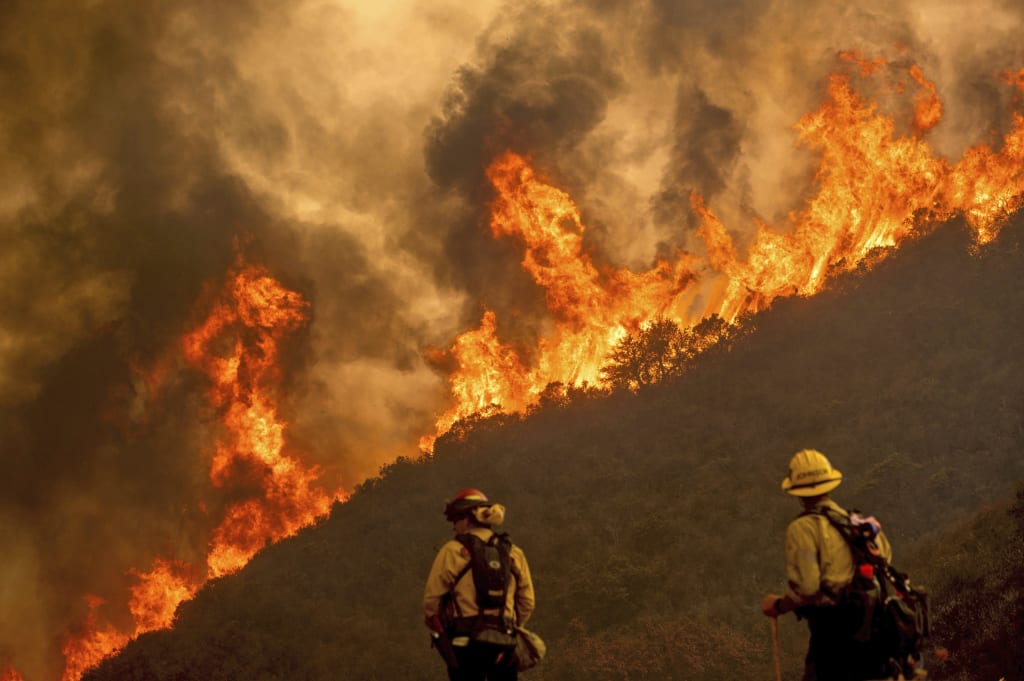
Canada has been experiencing a devastating wildfire season in 2023. The fires have burned over 10 million acres of land, destroyed hundreds of homes and businesses, and forced thousands of people to evacuate their homes. The fires have also had a devastating impact on wildlife, with millions of animals killed or displaced.
The fires are being fueled by a number of factors, including hot, dry weather, high winds, and a buildup of dead and dry vegetation. The fires are also being exacerbated by climate change, which is making the weather more extreme and unpredictable.
The fires have had a significant impact on human health and safety. The smoke from the fires has caused respiratory problems, and the fires have also posed a risk of firestorms and other dangerous conditions. The fires have also had a significant economic impact, costing billions of dollars in damages and lost productivity.
The government of Canada has responded to the wildfires by deploying firefighters, providing financial assistance to those affected by the fires, and establishing evacuation centers. The government has also announced a number of measures to address the underlying causes of the wildfires, including investing in forest management and climate change adaptation.
The wildfires in Canada are a reminder of the devastating impact that wildfires can have on people and wildlife. The government of Canada is working to respond to the fires and to prevent future fires from happening. However, more needs to be done to address the underlying causes of the wildfires, including climate change.
The Impact of the Wildfires on People
The wildfires have had a devastating impact on people in Canada. Thousands of people have been forced to evacuate their homes, and many have lost everything they own. The fires have also caused respiratory problems, heart problems, and other health problems.
The wildfires have also had a significant impact on the mental health of people in Canada. Many people have been traumatized by the fires, and they are struggling to cope with the loss of their homes, their belongings, and their sense of security.
The government of Canada is providing financial assistance to people who have been affected by the wildfires. The government is also providing counseling and other support services to help people cope with the emotional and psychological impact of the fires.
The Impact of the Wildfires on Wildlife
The wildfires have also had a devastating impact on wildlife in Canada. Millions of animals have been killed or displaced by the fires. The fires have destroyed habitat, food sources, and water supplies for animals.
The loss of wildlife is a major concern for conservationists. Many species of animals are already at risk of extinction, and the wildfires are making the situation worse.
The government of Canada is working to protect wildlife from the wildfires. The government is creating firebreaks to stop the fires from spreading, and it is also providing food and water for animals that have been displaced by the fires.
The Future of Wildfires in Canada
The wildfires in Canada are a reminder of the growing threat of wildfires in the country. Climate change is making the weather more extreme and unpredictable, which is making wildfires more likely and more destructive.
The government of Canada is working to address the underlying causes of wildfires, including climate change. The government is also investing in forest management to make forests more resilient to wildfires.
However, more needs to be done to address the threat of wildfires in Canada. The government needs to invest in research and development to find new ways to prevent and fight wildfires. The government also needs to work with communities to develop plans to protect people and property from wildfires.
The wildfires in Canada are a wake-up call. The government needs to take action to address the threat of wildfires before it is too late.
About the Creator
All Holidays Cancelled as UK Holiday Firm Goes Bust
Holiday Firm Collapse Sparks Chaos A major UK holiday company has gone bust, resulting in the cancellation of all booked holidays. The collapse has left thousands of travellers without trips, refunds, or alternative arrangements, sparking frustration and concern among affected customers.
By Aarif Lashari4 days ago in Earth
Baby Dies After Midwives Failed to Carry Out Proper Checks
Tragedy in the Nursery A heartbreaking incident has emerged after a baby died due to a failure in routine medical checks by midwives. The case has shocked both the local community and healthcare professionals, prompting questions about standards of care, accountability, and oversight in maternity services.
By Aarif Lashari4 days ago in Earth




Comments
There are no comments for this story
Be the first to respond and start the conversation.