
Can Zoos Prevent the Extinction of Some Species?
Zoos have the potential to save endangered animals.

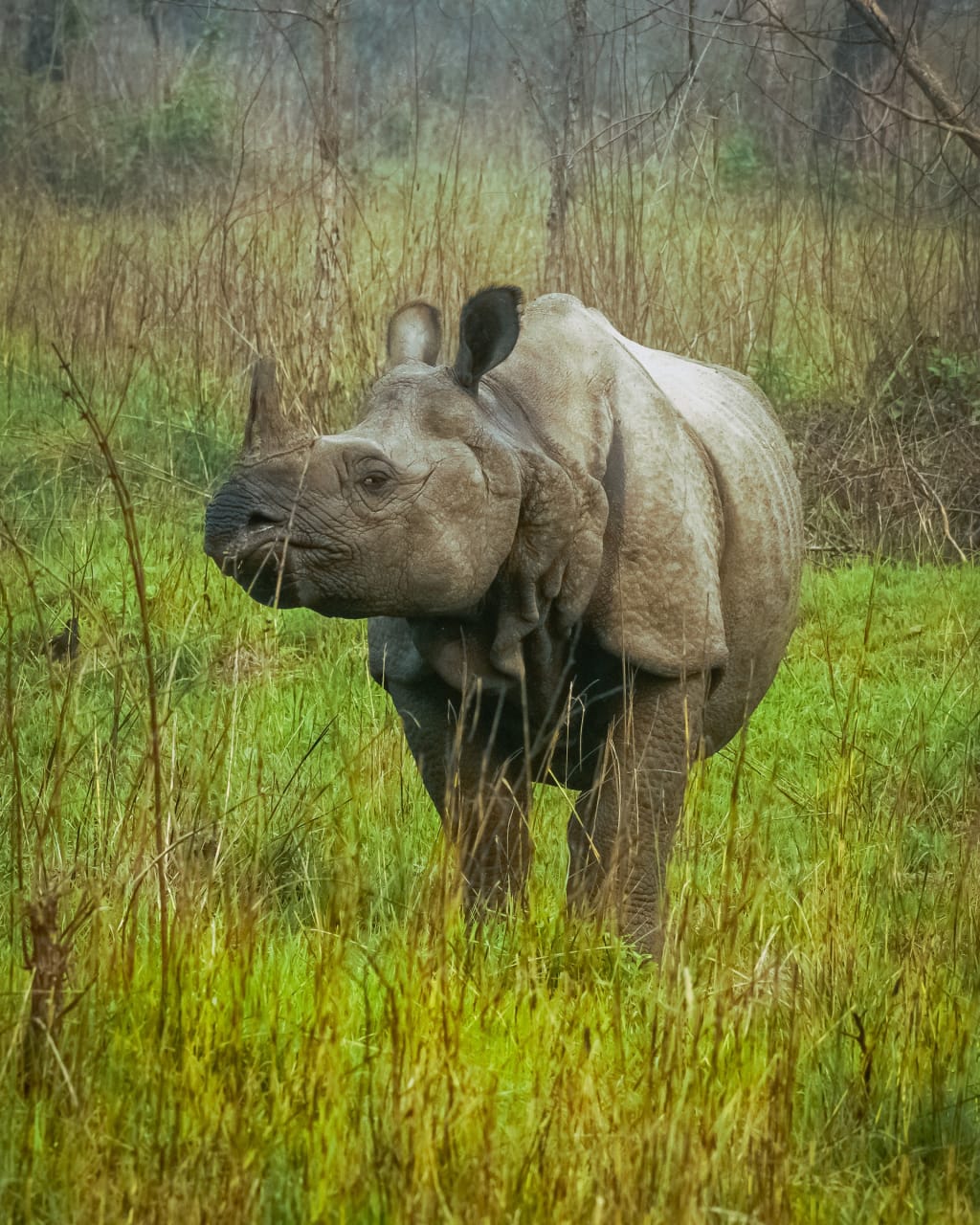
Investigate the breeding program that prevented the extinction of Takhi horses and consider the function of zoos in protecting wildlife. Takhi horses that were native to the area have been grazing on Central Asian steppes for ages. However, their extinction appeared to be unavoidable by the late 1960s. In order to avoid this, researchers and zoos began reproducing Asia's ancient wild horses and soon started releasing fresh generations back into their natural habitat. In his research, Nigel Rothfels explained the complex conservation effort's twists and turns.
Takhi horses that were native to the area have been grazing on Central Asian steppes for ages. However, by the late 1960s, they had vanished from the wild, with the final herds battling predators and competition from domestic livestock in sparse environments. Even though a few little Takhi populations continued to exist in zoos throughout Europe, their extinction still seemed likely.
A group of researchers and zoos banded together to launch an international Takhi breeding effort in order to avert this dreadful fate. By the 1990s, these European and American partners had started returning fresh generations of Asia's historic wild horses to their original habitat.
The Takhi resurgence was a well-known conservation success, but there is much more to the story than meets the eye. Furthermore, the story's turns and turns pose important concerns regarding the function of zoos and the definition of conservation.
The late 1800s, when Russian explorer Nikolay Przhevalsky received the remnants of one of these wild horses, is where we need to start if we want to understand the complete story. Even though the Takhi was well-known to the local Mongolians, European experts were curious about the remains because they more closely resembled those of a donkey or zebra than any other domestic horse. They came to the conclusion that the species represented a sort of missing link between wild asses and contemporary horses.
Additionally, when news of the recently named Przhevalsky's horse spread throughout Europe and America, zoo owners grew eager to acquire the previously undiscovered species.
Zoos at the time were primarily concerned with attracting tourists by housing exotic species. Moreover, they put more emphasis on entertainment than animal welfare in their exhibits. However, the near extinction of the American bison and the eventual extinction of other species, such as the passenger pigeon, spurred zoos to reinvent themselves as centers for conservation in the early 1900s.
Zoos started breeding efforts to maintain the captive population when it became apparent that Przhevalsky's horse might experience a similar end. However, those responsible for these programs reached an intriguing conclusion about the best way to breed horses. Like their peers, they thought the species was the missing link connecting domestic horses of the present with those of their more ape-like predecessors.
They were also aware that many of the horses in their collections didn't even closely resemble the typical description of the Takhi species, let alone purebred Takhi horses. Therefore, breeders believed it was their responsibility to decide what a wild Takhi should look like and then breed them accordingly.
They developed a precise model for the perfect Takhi based on a small number of samples and general assumptions about what a prehistoric horse may look like.
Thousands of horses were also meticulously developed to have the same physical traits during the course of the 20th century by breeders in western zoos and private collections.
Naturally, for millennia, domestic horses and wild Takhi had often interbred in their natural habitat, giving rise to a population with far more varied looks. Therefore, the Takhi were very different from the horses that had been taken from those steppes a century earlier when it came time to bring them to their original land.
Further complicating matters, despite the fact that these new Takhi herds were no longer housed in zoos, practically all of them are still under constant observation and management for their own safety. Therefore, it's perplexing to determine whether these animals are truly wild or even if they are Takhi in reality.
The Takhi horse's tale is not original. It's challenging to pinpoint exactly what was preserved in many of our conservation wins, and zoos' contribution to conservation can be quite nuanced. It is evident that zoos have been and will continue to be powerful forces for the preservation of animals, particularly initiatives to prevent the extinction of charismatic creatures.
However, the effects of humanity on animal habitats and the climate of Earth are currently the most significant causes of animal extinction. So perhaps zoos should focus their efforts on protecting the natural environments. These creatures are so sorely in need of preservation if they really wish to contribute to the protection of the diversity of animal life on this planet.
About the Creator
Althea March
I am a writer who searches for facts to create compelling nonfictional accounts about our everyday lives as human beings, and I am an avid writer involved in creating short fictional stories that help to stir the imagination for anyone.
Keep reading
More stories from Althea March and writers in Earth and other communities.
Manaslu Circuit vs. Langtang Valley: Which Nepal Trek Is Right for You?
Nepal offers some of the most extraordinary trekking routes in the world. While many travelers focus on famous trails like Everest Base Camp or the Annapurna Circuit, other routes provide equally memorable experiences with fewer crowds.
By Alex Winslow2 days ago in Earth
Thief In The Night
To the thief in the night that took and replicated what once was mine: Honestly, I feel kind of bad for you. It’s funny, because we hardly know each other. I only know of you through the magazines you’ve written and the broadcasts you have televised in the past — as well as through the public mentions of you from your show business connections there.
By Snarky Lisa7 days ago in Humans



Comments