
Best Time to Climb Mount Himlung: Weather, Seasons & Safety Tips
A Seasonal Guide to Climbing Nepal's Remote 7000er Safely and Successfully

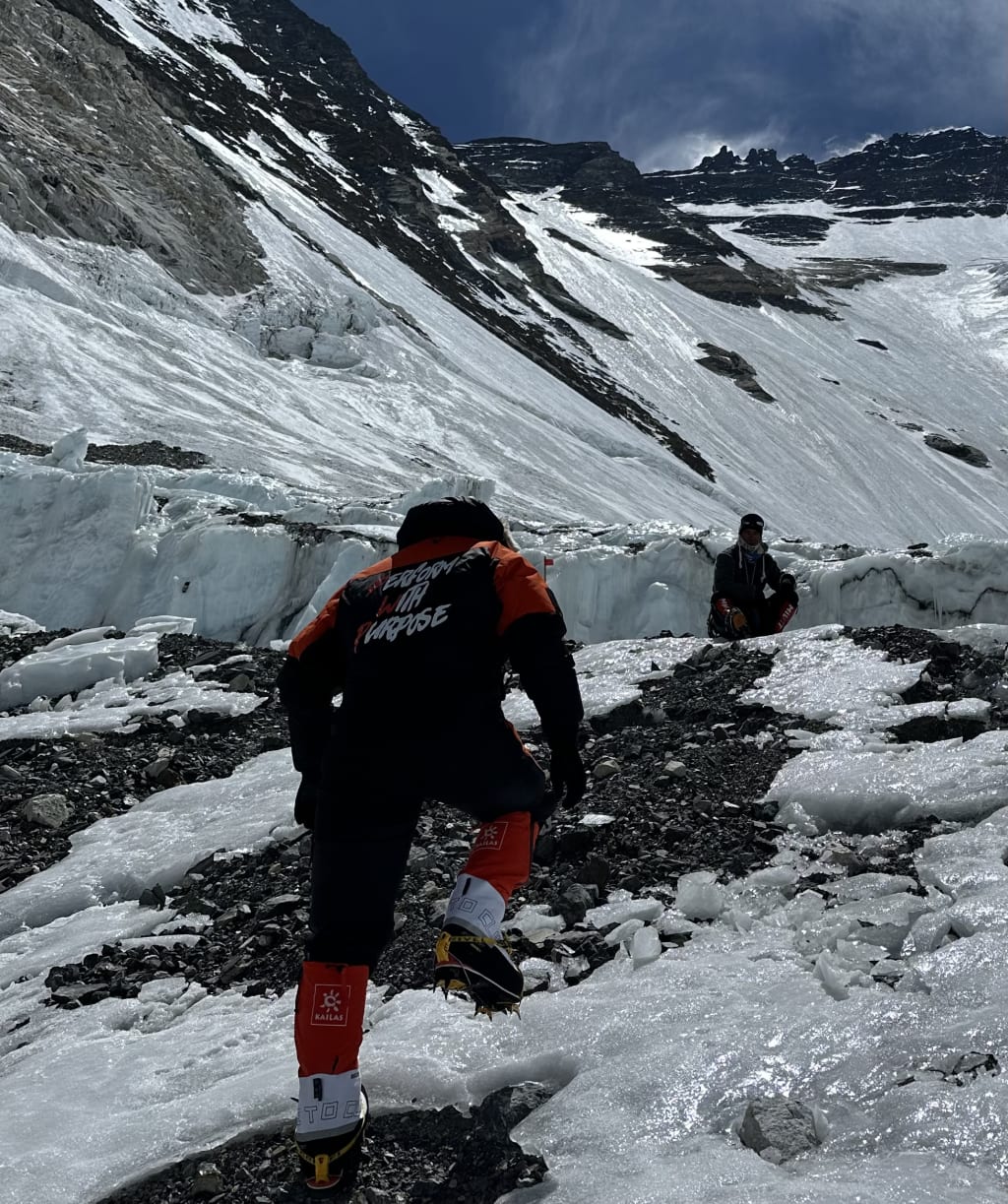
Mount Himlung (7,126 meters) is a hidden treasure among Nepal’s high-altitude climbing peaks. Located in the remote Nar-Phu Valley near the Tibetan border, it offers an unforgettable mix of technical challenge, isolation, and stunning Himalayan scenery. Unlike the busier trails of Everest or Annapurna, Himlung remains relatively untouched, making it an ideal choice for those looking for a quieter expedition.
However, like any high-altitude climb, timing is everything. Weather conditions in the Himalayas can make or break an expedition. Knowing the best time to climb, the risks to avoid, and how to prepare for the elements is crucial for a safe and successful ascent.
Climbing Seasons: When to Go
There are two main seasons for climbing Himlung: here are two main climbing seasons for Himlung Himal: autumn and spring. Each offers its own benefits and challenges.
1. Autumn (Mid-September to Early November)
Best Season
• Stable weather, clear skies, and less precipitation
• Great visibility for scenic views
• Cold but manageable temperatures
During autumn, the snowpack is generally more stable, trails are more defined, and the days are crisp but clear. Most commercial expeditions prefer this season due to its balance of favorable weather and lower risk.
2. Spring (Mid-April to Late May)
Good Alternative
Spring is the second-best season for climbing Himlung. With warming temperatures and longer daylight hours, it offers:
• Warming temperatures and longer daylight
• Still relatively dry and calm weather
• Early spring may have more snow from winter
Spring is also a solid choice, especially for climbers aiming to avoid the autumn rush, though Himlung never gets too crowded.
Avoid These Seasons:
Certain months are particularly dangerous or impractical for climbing Himlung:
• Monsoon (June to August): The monsoon brings torrential rain to lower altitudes and heavy snowfall higher up. This increases the risk of landslides, avalanches, and difficult travel conditions on the approach trek.
• Winter (December to March): Himlung is not commonly climbed in winter due to extreme cold, high winds, and snow instability. Only highly experienced mountaineers with specialized cold-weather training should consider a winter ascent.
Weather Challenges on Himlung
Even during the prime seasons, the mountain's weather is unpredictable, particularly above Camp 2 (~6,000m). Key challenges include:
• Sudden afternoon snowstorms
• High summit winds that can delay or halt summit bids
• Freezing nighttime temperatures, especially at high camps
• Changing snow conditions, especially if the weather turns warmer or wetter than expected
Always plan for buffer days in your itinerary in case you need to wait out poor weather.
Safety Tips for Your Himlung Expedition
A successful climb isn’t just about the weather—it’s about preparation. Here are key safety and planning tips:
1. Acclimatize Properly
The route to the summit includes:
• Base Camp (~4,900m)
• Camp 1 (~5,450m)
• Camp 2 (~6,000m)
• Camp 3 (~6,350m)
Proper acclimatization is essential. Take your time and allow for multiple rotations to higher camps before your summit attempt.
2. Hire an Experienced Guide Team
Himlung is remote, and the trail is not as developed as those in more popular regions. A local guiding company with previous Himlung experience can make all the difference in navigation, safety, and comfort.
3. Use the Right Gear
You’ll need full high-altitude mountaineering gear, including:
• Double-insulated mountaineering boots
• Down suits or thick down jackets
• Crampons, ice axe, harness, helmet
• Sleeping bag rated to at least -20°C
Don’t compromise on gear quality. If you're not bringing your own, rent from a reputable outfitter in Kathmandu.
4. Monitor Weather Updates
Check regular forecasts and communicate with base camp staff. Himalayan weather can shift quickly, and your summit window should be chosen carefully based on wind speeds and precipitation forecasts.
5. Physical and Mental Preparation
Climbing a 7000-meter peak is no small feat. Train for endurance, leg strength, and altitude tolerance. Include long hikes with elevation gain and pack weight. Mental preparation is just as important—expect long days, harsh weather, and moments of doubt.
Wrapping Up
The best time to climb Mount Himlung is either in autumn (October) or late spring (May). These seasons offer the best balance of clear weather, manageable temperatures, and safer snow conditions. Avoid the monsoon and winter seasons unless you have extreme high-altitude experience.
With the right preparation, experienced guides, and a well-timed expedition, Mount Himlung is an incredibly rewarding climb for experienced trekkers and climbers stepping into the realm of 7000-meter peaks. Remote, beautiful, and challenging—it’s the Himalayan adventure few talk about, but many remember for a lifetime.
About the Creator
Anya Gurung
I am a traveller/explorer
Keep reading
More stories from Anya Gurung and writers in Earth and other communities.
Everest Base Camp Trek Guide
The Everest Base Camp Trek (EBC) is one of the most iconic trekking adventures in the world. Standing at 5,364 meters (17,598 ft), the base camp is the launching point for climbers heading to the summit of Mount Everest. But for trekkers, reaching EBC is a dream journey through the heart of the Himalayas, filled with dramatic landscapes, Sherpa culture, and unforgettable moments.
By Anya Gurung10 months ago in Earth
The Sad Nightingale
The Sad Nightingale Writing No. 2402 Saturday, November 26, 2022 By Iman Javed The sun had just set, leaving a soft orange glow lingering on the horizon. The air was calm, carrying a faint chill of the approaching night. Away from the village, frogs croaked in the drying pond, their sounds echoing across the still waters. Crickets intermittently played their tunes, pausing now and then as if checking their tiny instruments for the night ahead. On a branch of a nearby withered tree sat a nightingale, utterly sad. It neither moved nor chirped; it seemed as though it had forgotten the very art of singing. Its eyes reflected deep sorrow, and its feathers drooped in silence.
By Sudais Zakwanabout 4 hours ago in Earth
Social Media Firms Have Come to Ban 'Kicking and Screaming', Says Australia eSafety Boss
Social media has become an inescapable part of modern life, shaping the way billions of people communicate, consume information, and form opinions. But with its growth, questions about safety, moderation, and accountability have intensified. Recently, Australia’s eSafety Commissioner, Julie Inman Grant, made headlines for her remarks on how social media companies are finally starting to take meaningful action — albeit reluctantly. According to Inman Grant, these platforms “have come to ban kicking and screaming,” signaling a shift in how tech giants approach user safety.
By Muhammad Hassanabout 16 hours ago in Earth


Comments
There are no comments for this story
Be the first to respond and start the conversation.