
Best things that can reduce your depression
What is depression?
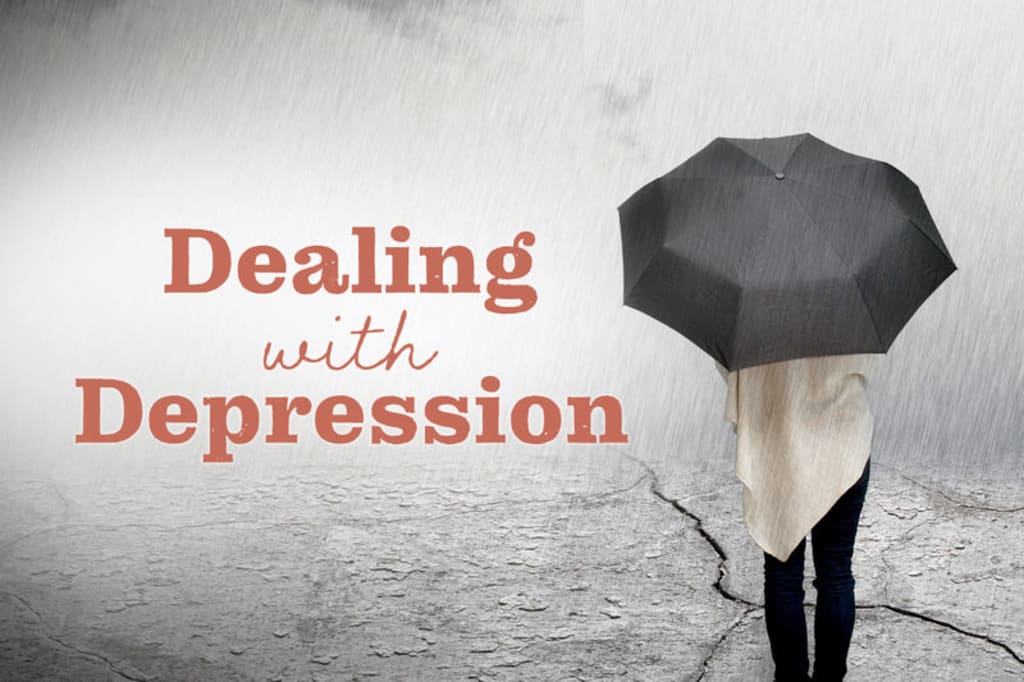
Depression is a mental health disorder characterized by persistent feelings of sadness, loss of interest or pleasure in activities, and a range of other emotional and physical symptoms. It is more than just occasional feelings of sadness or "the blues" and can significantly interfere with a person's daily life, relationships, and overall functioning.
Symptoms of depression can vary from person to person but may include:
- Persistent feelings of sadness, emptiness, or hopelessness.
- Loss of interest or pleasure in activities once enjoyed.
- Changes in appetite and weight (either significant weight loss or gain).
- Insomnia or excessive sleepiness.
- Fatigue or loss of energy.
- Feelings of worthlessness or excessive guilt.
- Difficulty concentrating, making decisions, or remembering things.
- Restlessness or slowed movements.
- Recurrent thoughts of death or suicide.
Depression can also manifest with physical symptoms, such as headaches, digestive issues, and chronic pain. It affects people of all ages, genders, and backgrounds, and can occur as a single episode or be recurring throughout a person's lifetime.
There are different types of depression, including major depressive disorder (MDD), persistent depressive disorder (dysthymia), postpartum depression, seasonal affective disorder (SAD), and others. The causes of depression are complex and can involve a combination of genetic, biological, environmental, and psychological factors.
It is important to note that depression is a treatable condition. If you or someone you know is experiencing symptoms of depression, it is advisable to seek help from a healthcare professional or mental health provider who can provide an accurate diagnosis and recommend appropriate treatment options. Treatment may involve a combination of therapy, medication, lifestyle changes, and support from loved ones.
How to deal with depression?
Depression is a complex mental health condition that affects millions of people worldwide. While seeking professional help is crucial, there are various practices and lifestyle changes that can significantly contribute to reducing depression symptoms and promoting overall well-being. In this article, we will explore some of the best things you can incorporate into your life to combat depression and regain a sense of joy and vitality.
- Engage in Regular Exercise:
Physical activity has been proven to have a profound impact on mental health. Engaging in regular exercise releases endorphins, the "feel-good" hormones that can improve your mood and reduce feelings of depression. Whether it's walking, jogging, yoga, or any other form of exercise that you enjoy, incorporating it into your routine can provide a much-needed boost to your mental and emotional well-being.
2. Prioritize Healthy Sleep Habits:
Adequate sleep is vital for maintaining optimal mental health. Establish a consistent sleep routine by going to bed and waking up at the same time each day. Create a calming bedtime ritual, such as reading a book or taking a warm bath, to signal your body and mind that it's time to unwind. Avoid electronic devices before bed, as the blue light emitted can disrupt sleep patterns. By prioritizing quality sleep, you can help regulate your mood and alleviate symptoms of depression.
3. Cultivate a Supportive Social Network:
Human connection is crucial for mental well-being. Reach out to family and friends and nurture your relationships. Engage in activities that allow you to connect with others, such as joining a club or participating in group classes. Surrounding yourself with positive and supportive individuals who understand and care for you can significantly reduce feelings of isolation and depression.
4. Practice Mindfulness and Meditation:
Mindfulness and meditation practices have gained recognition for their positive effects on mental health. These techniques encourage focusing on the present moment, cultivating self-compassion, and reducing stress. By incorporating mindfulness and meditation into your daily routine, you can develop a greater sense of self-awareness, reduce rumination, and improve overall emotional well-being.
5. Adopt a Balanced and Nutritious Diet:
What you eat can have a significant impact on your mental health. Opt for a balanced diet rich in fruits, vegetables, whole grains, lean proteins, and healthy fats. Avoid excessive consumption of processed foods, sugary snacks, and caffeine, as they can contribute to mood fluctuations and exacerbate depressive symptoms. A well-nourished body can support a healthier mind.
6. Set Realistic Goals and Celebrate Achievements:
Setting small, achievable goals can help provide a sense of purpose and accomplishment. Break down larger tasks into smaller steps and acknowledge your progress along the way. Celebrate even the smallest achievements, as this can boost your self-esteem and increase motivation to continue on your path towards reducing depression.
7. Seek Professional Help:
While the aforementioned practices can be incredibly beneficial, it's important to recognize that depression is a complex condition that may require professional assistance. If you're experiencing persistent or severe symptoms, reach out to a mental health professional who can provide guidance, support, and tailored treatment options to suit your specific needs.
Conclusion:
Reducing depression involves a multifaceted approach, combining various strategies and lifestyle changes. By incorporating regular exercise, prioritizing healthy sleep habits, nurturing social connections, practicing mindfulness and meditation, adopting a balanced diet, setting realistic goals, and seeking professional help when needed, you can take significant steps toward reducing the impact of depression on your life. Remember, each person's journey is unique, so be patient and kind to yourself as you explore what works best for you. With time and dedication, you can regain a sense of well-being, joy, and vitalit
About the Creator
Keep reading
More stories from Momin Tareen and writers in Earth and other communities.
The Ritual of Winter Challenge Winners
As the chill of winter settles in, communities everywhere have been buzzing with anticipation for the results of the Ritual of Winter Challenge, an event that has become a highlight of the season for enthusiasts of all ages. From artists and writers to athletes and innovators, participants from across the country compete in a variety of categories, showing off not just talent, but ingenuity, perseverance, and a commitment to pushing boundaries. This year’s winners offer a glimpse into the creative and competitive spirit that makes this challenge such a standout experience.
By Muhammad Hassan2 days ago in Earth
Locked Exits, Panic, and Desperate Calls: Survivors Recount Mall Fire Horror
A tragic fire at a busy shopping mall has left the public in shock as survivors recount the harrowing moments when flames and smoke consumed the building. Eyewitness accounts describe locked exits, panicked crowds, and desperate calls for help, painting a chilling picture of the chaos inside.
By Muhammad Hassan4 days ago in Earth



Comments
There are no comments for this story
Be the first to respond and start the conversation.