
Bears and Human Interaction.
From Folklore to Modern-Day Encounters.
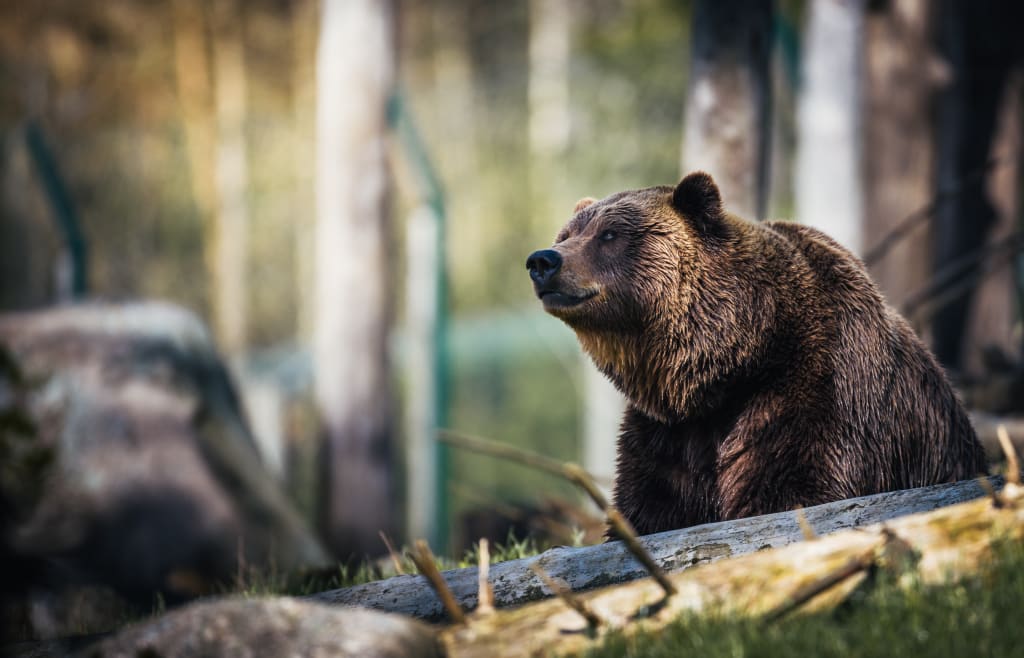
Bears are majestic creatures that have been revered and feared by humans for thousands of years. They have been a part of folklore and mythology in many cultures around the world, and have been both hunted and worshipped by humans throughout history. Today, bears and humans continue to interact in various ways, often with both positive and negative consequences.
Folklore and Mythology:
In many cultures, bears are associated with powerful deities or spirits. For example, in ancient Greek mythology, the goddess Artemis was often depicted with a bear by her side, symbolizing her connection to nature and the wild. In Native American folklore, the bear is often seen as a symbol of strength and wisdom, and is sometimes considered a powerful spirit guide.
However, bears have also been feared and vilified in some cultures. In medieval Europe, bears were often associated with darkness and evil, and were sometimes used as symbols of the devil. In some Native American cultures, bears were seen as powerful but dangerous creatures that could bring harm to humans.
Hunting and Exploitation:
Throughout history, humans have hunted bears for their meat, fur, and other resources. In some cultures, bear hunting was considered a rite of passage for young men, and was seen as a way to prove one's bravery and skill. However, in many cases, hunting has led to the decline of bear populations, and some species are now endangered or threatened.
In addition to hunting, bears have also been exploited for entertainment and profit. In some parts of the world, bears are used in circuses and other performances, where they are often subjected to cruel treatment and living conditions. In some cultures, bear bile is considered a valuable medicine, and bears are kept in small cages and regularly milked for their bile. However, this practice is now illegal in many countries due to concerns about animal welfare and conservation.
Modern-Day Encounters:
Today, bears and humans continue to interact in various ways, often with both positive and negative consequences. In some parts of the world, bears are considered a nuisance or a threat to human safety, and are often killed or relocated. In other places, bears are celebrated as an important part of the natural world, and efforts are made to protect and conserve their populations.
One of the most common ways that bears and humans interact today is through outdoor recreation. Many people enjoy hiking, camping, and other activities in bear country, and it is important to take precautions to avoid encounters with bears. This can include carrying bear spray, making noise while hiking, and properly storing food and other attractants.
Unfortunately, not all encounters between bears and humans end well. In some cases, bears become habituated to human presence and lose their fear of humans, which can lead to dangerous situations. In some areas, bears have even become aggressive and attacked humans, leading to injuries and deaths.
Conservation Efforts:
As human populations continue to grow and encroach on natural habitats, it is more important than ever to protect and conserve bear populations. Many organizations and government agencies are working to educate the public about bears and promote conservation efforts. This can include habitat restoration, reducing human-bear conflicts, and enforcing laws and regulations that protect bears.
In some cases, captive breeding and reintroduction programs are used to help rebuild bear populations in areas where they have been depleted. For example, the American black bear was nearly extinct in some parts of the United States in the early 1900s, but conservation efforts have helped the population rebound in recent decades.
Conclusion:
Bears and humans have a complex and often fraught relationship. While bears have been revered and feared in many cultures throughout history, they have also been hunted, exploited, and sometimes killed by humans. Today, bears and humans continue to interact in various ways, often with both positive and negative consequences.
About the Creator
Ayaanahamed
Blogs Writer......
Keep reading
More stories from Ayaanahamed and writers in Earth and other communities.
Bear Intelligence.
Bears are often seen as large and lumbering animals that rely on brute strength and instinct to survive in the wild. However, recent research has shown that these animals possess a level of intelligence and cognitive ability that rivals that of many other animals.
By Ayaanahamed3 years ago in Earth
The Quiet Power of a Winter Weather Advisory
I woke up the other morning to a calm but unmistakably bleak glow outside my window—the kind of blue‑gray light that only winter knows how to cast. My phone buzzed with a “Winter Weather Advisory,” and though I’ve seen that phrase more times than I can count, it still makes me pause. It’s never quite an emergency, but it’s also a promise that the day won’t go as planned.
By Trend Vantage3 days ago in Earth
The Ritual of Winter Challenge Winners
As the chill of winter settles in, communities everywhere have been buzzing with anticipation for the results of the Ritual of Winter Challenge, an event that has become a highlight of the season for enthusiasts of all ages. From artists and writers to athletes and innovators, participants from across the country compete in a variety of categories, showing off not just talent, but ingenuity, perseverance, and a commitment to pushing boundaries. This year’s winners offer a glimpse into the creative and competitive spirit that makes this challenge such a standout experience.
By Muhammad Hassana day ago in Earth


Comments
There are no comments for this story
Be the first to respond and start the conversation.